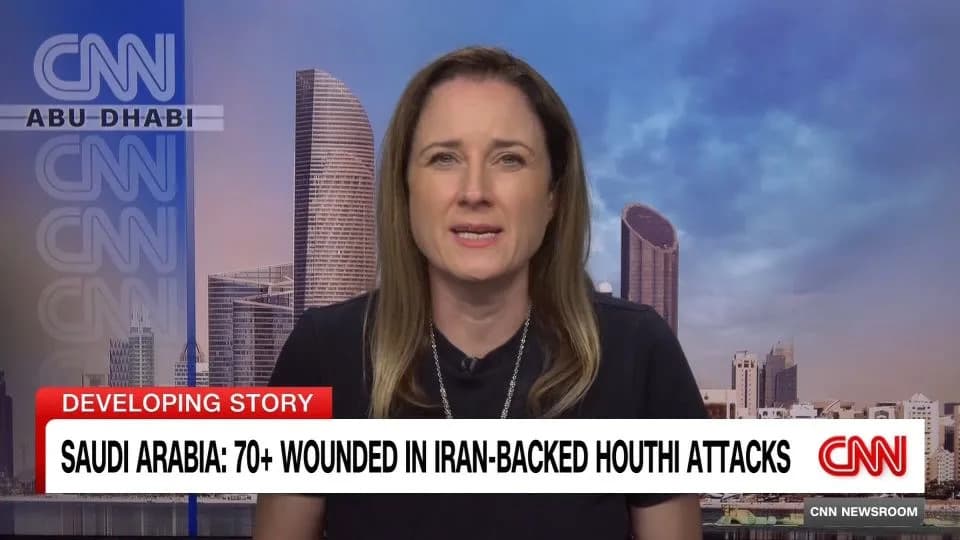
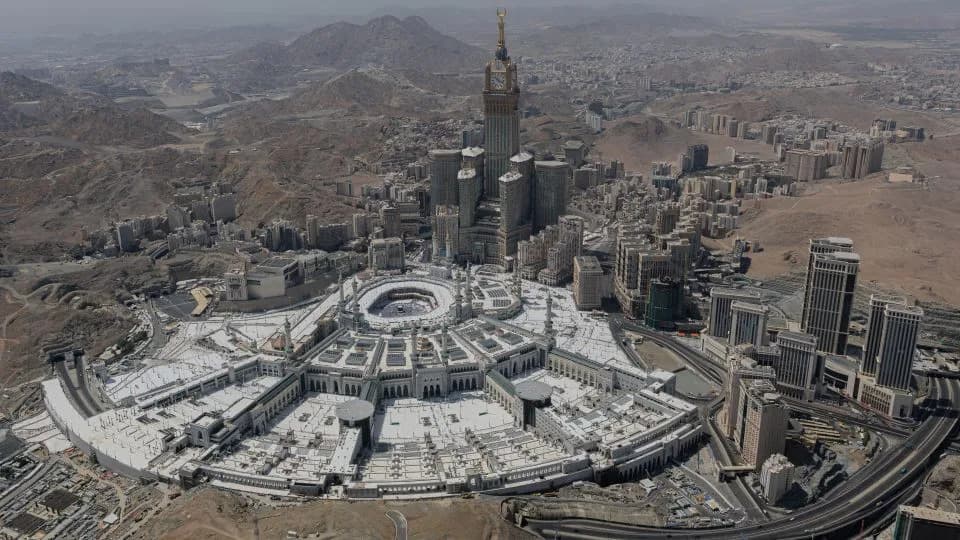
Saudi Arabia says it intercepted drones aimed at oil facilities in its eastern province and near Riyadh and blamed Iran-backed armed groups in Iraq, while Yemen's Houthi rebels separately claimed strikes on oil transport. Jordan and Iraq also reported drone incidents, and Baghdad says it is investigating allegations the drones were launched from Iraqi soil. The events come during a temporary lull between the US and Iran, raising concerns that allied militias may be testing the new US posture and risking renewed regional escalation.
Saudi Intercepts Drones Targeting Oil Facilities; Blames Iran-Backed Groups as Regional Tensions Flare
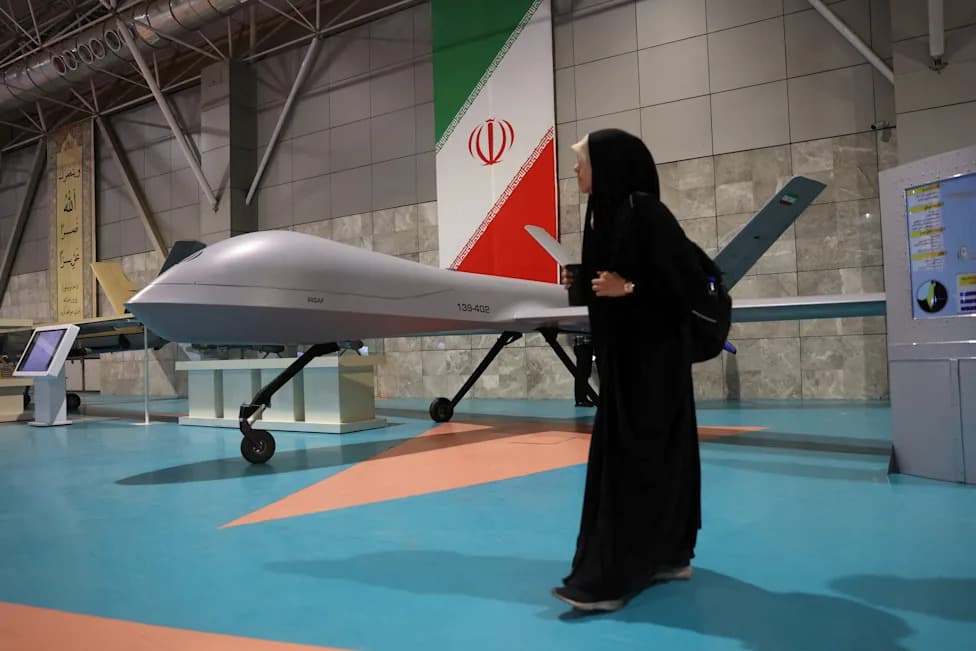
Iranian drones have targeted US allies across the Gulf region amid Tehran's conflict with the US [File: Reuters]
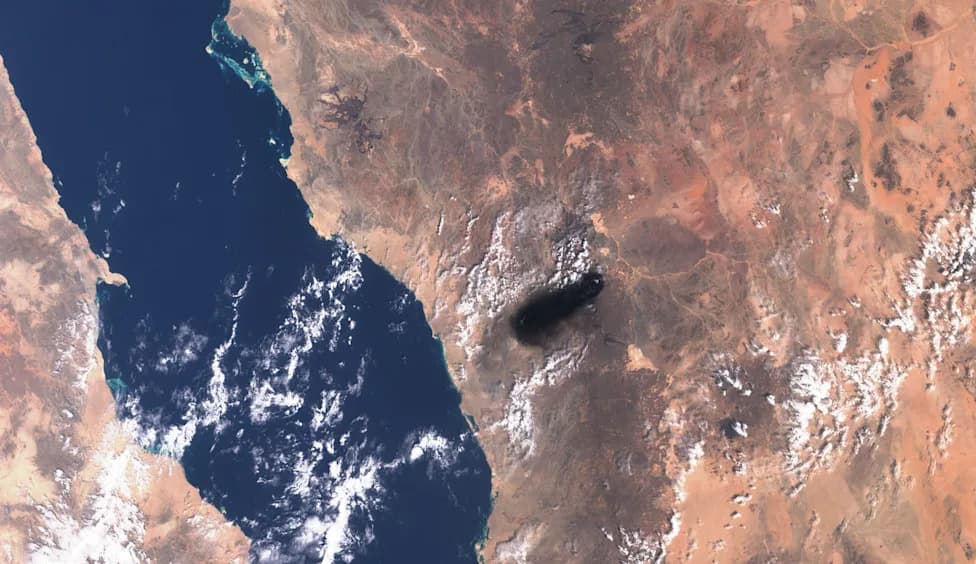
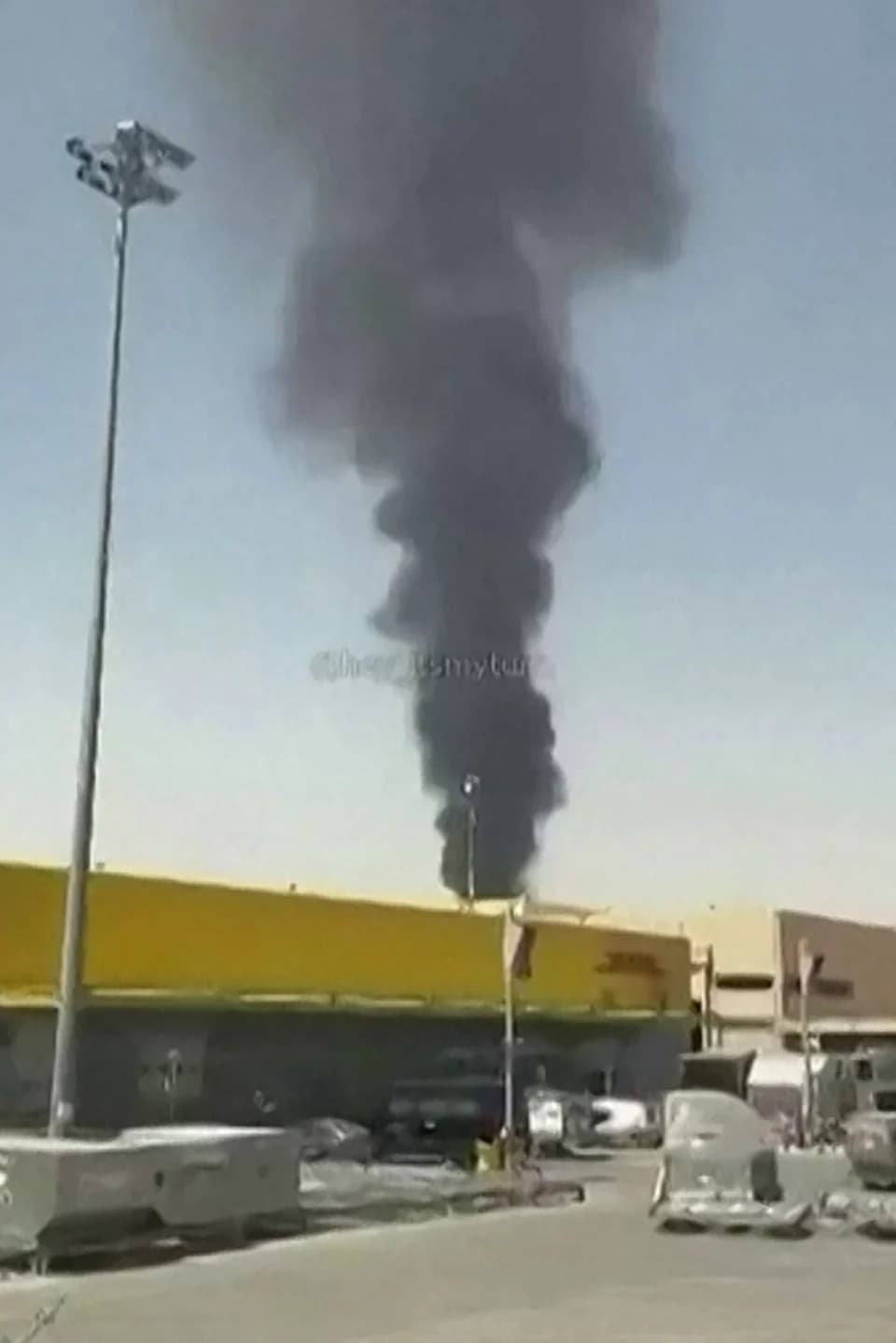
Saudi authorities say they intercepted unmanned aerial vehicles that targeted oil facilities in the kingdom's eastern province and threatened areas near Riyadh. The Saudi Foreign Ministry said on Monday it "reserves the right to respond," attributing the strikes to Iran-backed armed groups operating in Iraq.
Separately, Yemen's Houthi rebels claimed responsibility for attacks on Saudi crude oil transport infrastructure, though officials have not confirmed whether the Houthi strikes and the incidents attributed to Iraqi militias were coordinated.
These incidents come during a relative lull in direct exchanges between the United States and Iran, a period when mediators have suggested prospects for renewed negotiations have improved. After two weeks of intense hostilities, U.S. officials say Washington has paused strikes on Iran; Iran has likewise announced a pause in attacks on U.S. allies in the Gulf.
Nevertheless, the cross-border drone incidents suggest some militias and proxy forces may not be standing down in step with their patrons. Analysts warn such actions could test the resolve of newly adjusted policies and risk renewed escalation in the region.
Jordan and Iraq also reported drone activity on Monday. Amman said it shot down two drones, while Iraqi security sources reported strikes on camps in northern Iraq housing Iranian-Kurdish opposition fighters. Authorities have not publicly identified the attackers in those cases.
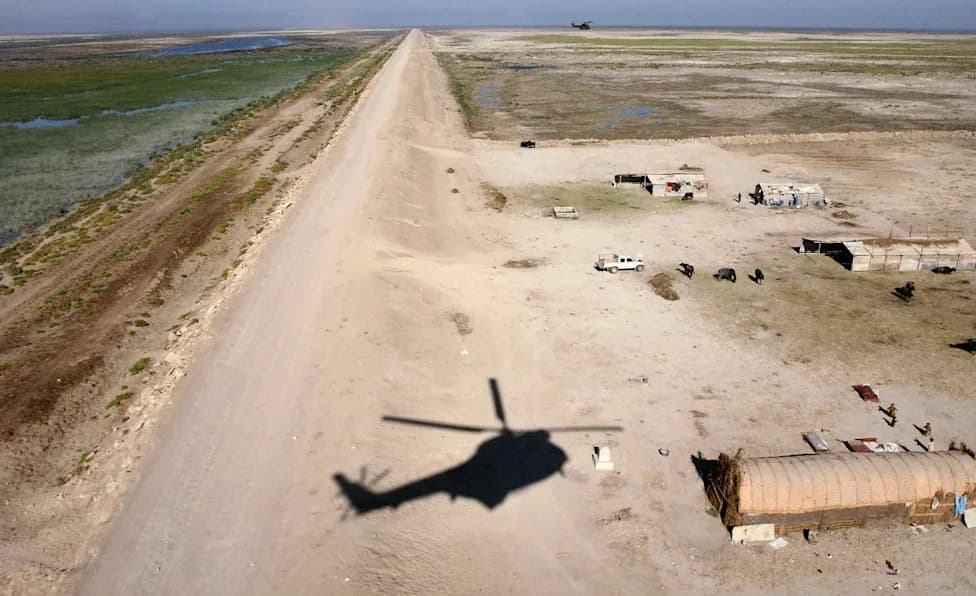
Iraq announced it is investigating Saudi Arabia's claim that drones were launched from Iraqi territory. Prime Minister Ali al-Zaidi said Baghdad "will not allow its territory to be used to launch attacks against neighbouring countries," underscoring Baghdad's concern about armed factions operating within its borders.
This episode echoes a similar incident in May, when Saudi Arabia and the United Arab Emirates reported intercepting drones they said were launched from Iraq, prompting condemnation from the Gulf Cooperation Council and renewed questions about Baghdad's ability to rein in Iran-aligned armed groups.
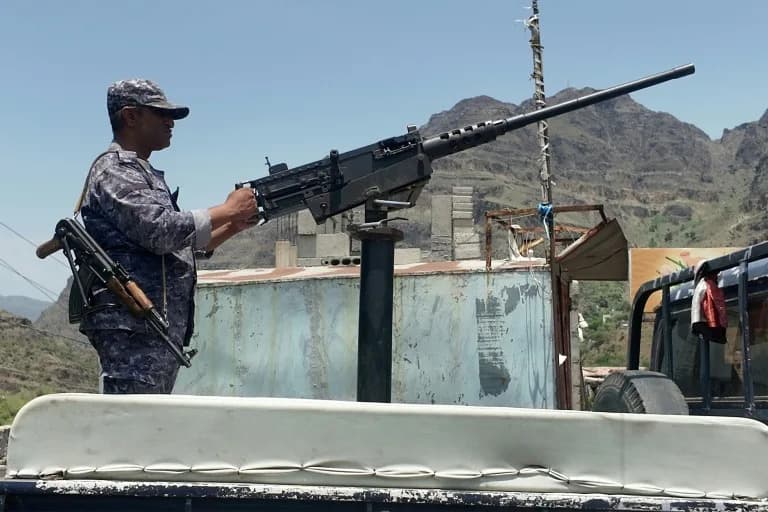
Separately, the Houthis reported that nine of their fighters were killed amid intensifying clashes with Yemeni government forces backed by the Saudi-led coalition. The combination of cross-border strikes, militia activity and renewed battlefield clashes in Yemen highlights the fragile security dynamics across the Gulf and Arabian Peninsula.
Why it matters: Attacks on energy infrastructure and cross-border drone strikes raise the risk of broader escalation, threaten commercial shipping and oil supply lines, and complicate diplomatic efforts to stabilize the region.
Help us improve.