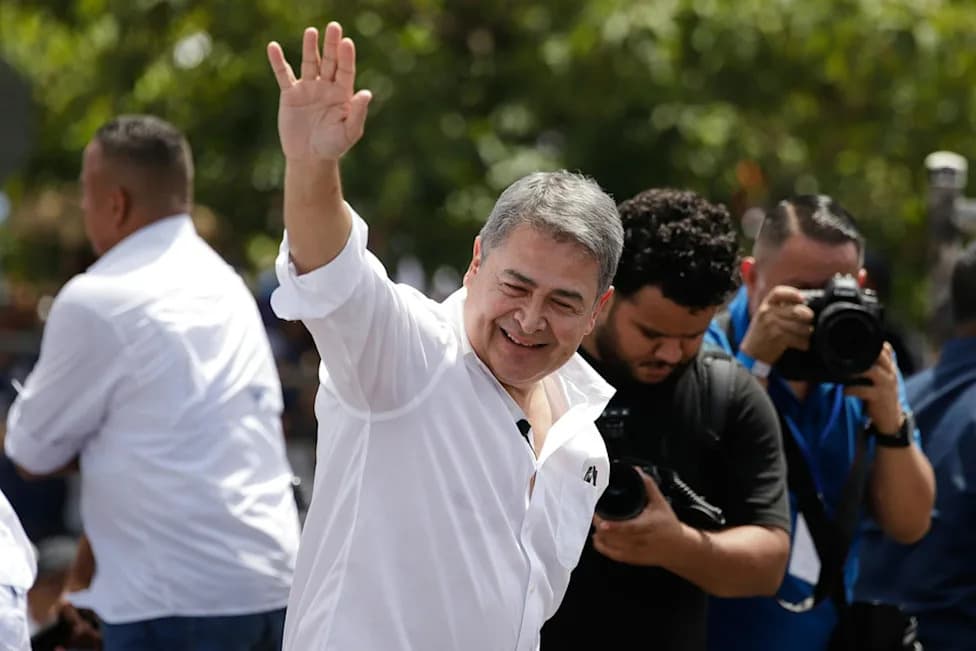
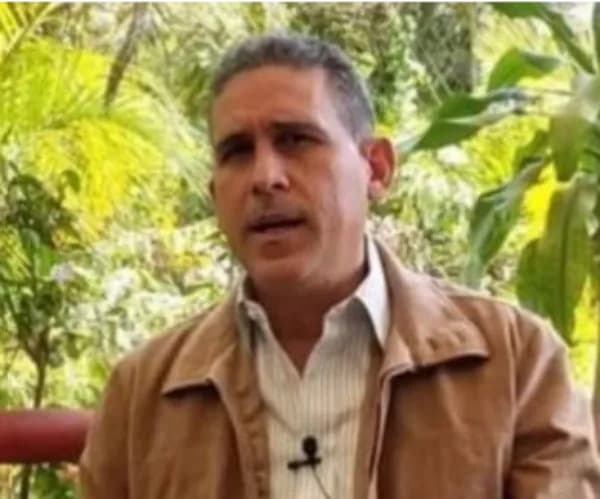
Former Honduran president Juan Orlando Hernández returned home on July 26, 2026, after a December pardon from US President Donald Trump and release from US custody. Hernández had been extradited, convicted in the US and sentenced to 45 years for his role in a major cocaine-export conspiracy prosecutors say moved over 400 tons. The pardon has sparked criticism for perceived political favoritism and raised concerns that any domestic trial could be compromised. Legal experts warn that politically motivated use of clemency could carry political and legal consequences for the US president.
Juan Orlando Hernández Returns to Honduras After Trump Pardon — Timeline, Controversy and Legal Fallout
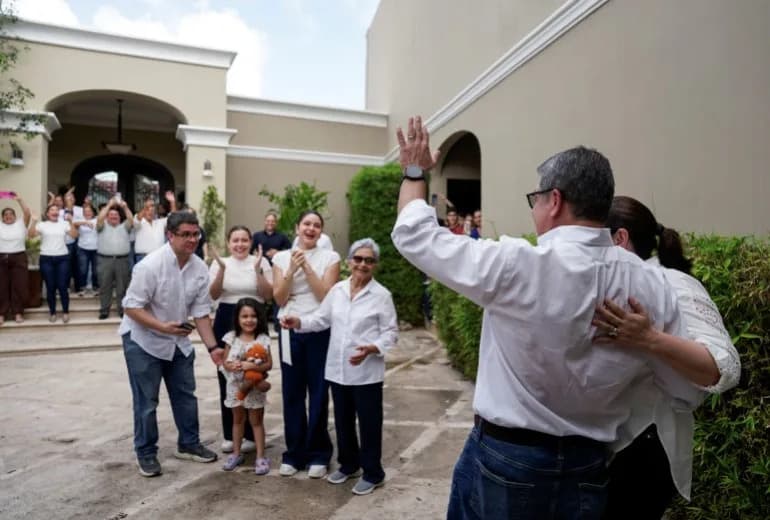
Former Honduran President Juan Orlando Hernandez is greeted by family and friends after arriving at his home in Tegucigalpa following his return to Honduras on July 26, 2026 [Leonel Estrada/Reuters]
Former Honduran president Juan Orlando Hernández returned to Honduras on July 26, 2026, after receiving a presidential pardon from US President Donald Trump and being released from US custody. Hernández had been extradited to the United States nearly four years earlier, tried by a federal jury, convicted and sentenced to 45 years in prison for his role in a large cocaine-export trafficking conspiracy.
What Happened
US prosecutors said Hernández accepted millions of dollars in bribes from violent drug trafficking organisations over roughly 18 years and helped facilitate the importation of more than 400 tons of cocaine into the United States. After his conviction, the US Department of Justice described the conspiracy as "one of the largest and most violent drug trafficking conspiracies in the world." Hernández has consistently denied the allegations, saying his administration cracked down on narcotics and cooperated with US authorities.
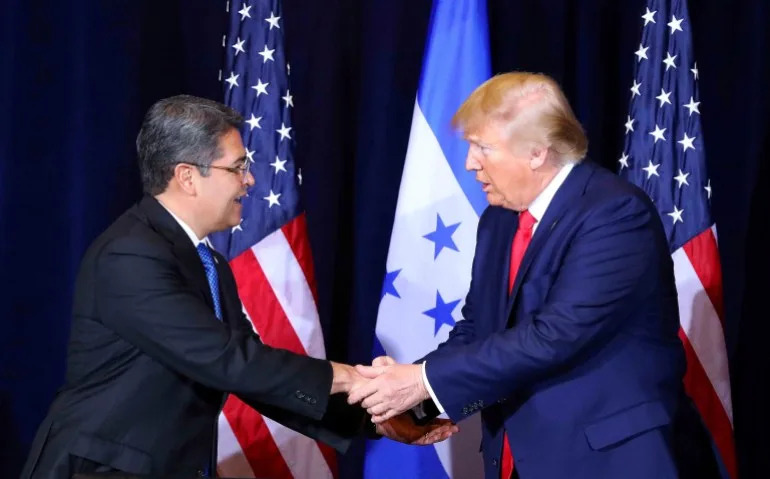
Hernandez shakes hands with US President Donald Trump on September 25, 2019, in New York during the signing of an agreement under which Honduras would accept more asylum seekers heading to the US [Handout/Honduran Presidential Palace via Reuters]
The Pardon
President Trump issued a pardon for Hernández in December, saying the former president had been "set up" and received an unfair trial that was politically motivated by the Biden administration. Under the US Constitution, presidential clemency for federal crimes can take the form of a pardon, which forgives federal charges and restores civil rights, or a commutation, which reduces a sentence but leaves the conviction intact.
Return And Domestic Legal Threats
Hernández arrived at Palmerola International Airport, where supporters and family greeted him. He still faces corruption charges in Honduras; an arrest warrant was suspended, allowing his return, and he is scheduled to appear in a Honduran court on August 3 to answer those allegations. Human rights defenders and legal experts warn that a trial on home soil — where Hernández’s National Party currently holds the presidency — could lack independence and be perceived as a sham.
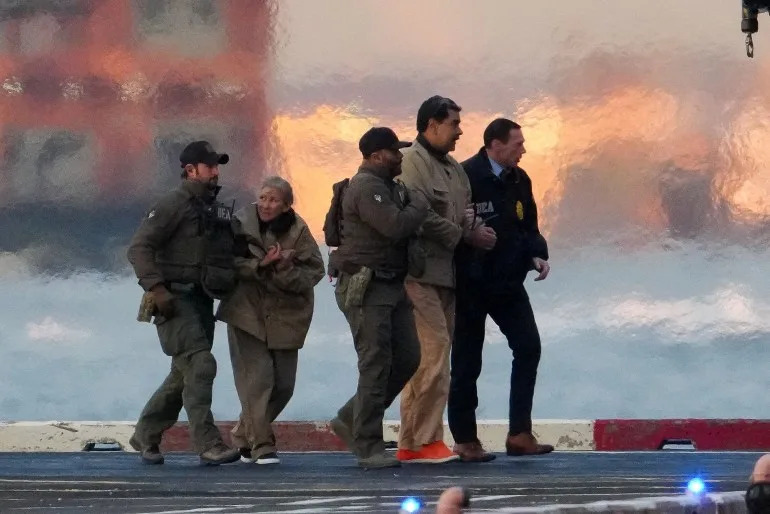
Venezuelan President Nicolas Maduro and his wife, Cilia Flores, are moved out of a helicopter and into a New York courthouse on January 5, 2026, for an initial appearance to face US federal charges including 'narcoterrorism', conspiracy, drug trafficking and money laundering shortly after US forces abducted them from Caracas [Adam Gray/Reuters]
Broader Context And Criticism
The pardon drew sharp criticism internationally and domestically because it coincided with a more aggressive US approach to alleged drug kingpins in Latin America. Earlier in 2026, US forces captured Venezuelan President Nicolás Maduro and his wife, Cilia Flores, in Caracas and brought them to New York to face narcotics and related charges — an action that drew global attention and controversy. Critics argue that pardoning Hernández while pursuing other foreign leaders on similar charges raises questions about political bias and unequal application of justice.
Investigations such as the Pandora Papers have also implicated Hernández in alleged corruption, including accusations that nearly $11 million in state funds were diverted to political campaigns between 2010 and 2013.
Political And Legal Ramifications
Since beginning a second presidential term in January 2025, President Trump has issued thousands of acts of clemency. Legal scholars say the pardon power is broad, but using it to shield allies or obstruct investigations could prompt political consequences — including the possibility of impeachment proceedings if Congress views the clemency as an abuse of power. US constitutional expert Bruce Fein told media outlets that the framers of the Constitution regarded the misuse of the pardon power to protect political friends as potentially impeachable conduct.
Hernández’s statement on return: "I cannot deny the profound emotion and joy I feel in my heart to be returning home," he wrote on social media, adding that his time in prison had been extremely difficult.
The situation remains fluid. Hernández’s legal status in Honduras, the response of international human rights groups, and possible US political fallout will shape the next phase of this story.
Help us improve.