Researchers using a lower-cost eDNA method have detected DNA of the critically endangered Chinese bahaba in western Hong Kong for the first time in over a decade. In a Jan–Sep 2025 survey of 23 sites (414 one-liter samples), bahaba eDNA was found at four locations in September, with Tai O showing the strongest signals. The team developed a sensitive qPCR assay targeting the species' mitochondrial genome; detections followed an August 2025 release of ~1,300 hatchery-reared juveniles into the Pearl River Estuary. These noninvasive results offer early evidence of movement and a potential sign of recovery while guiding conservation and management decisions.
eDNA Detects Critically Endangered Chinese Bahaba in Western Hong Kong After 10+ Years
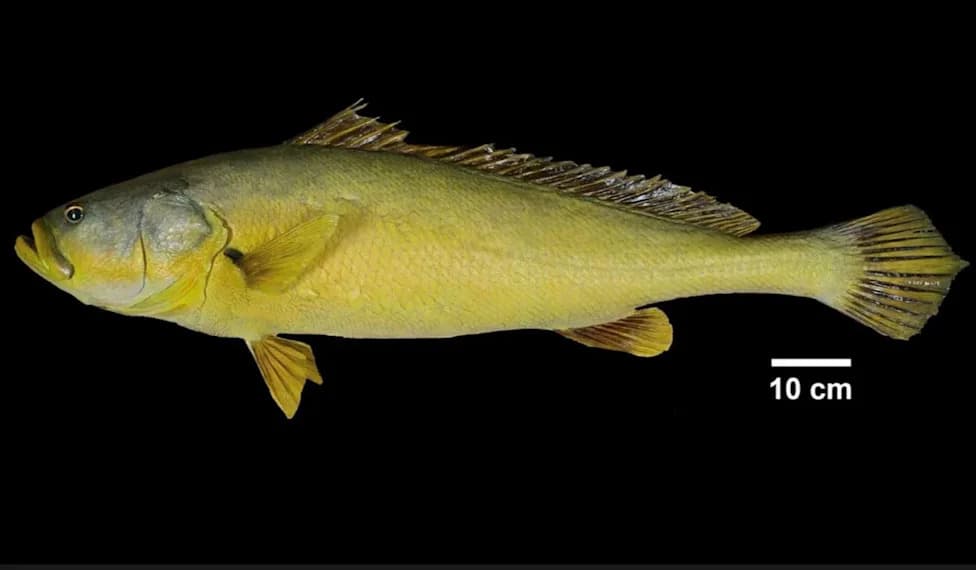
Photo Credit: Lingan University
More than a decade after its last recorded appearance in local waters, the critically endangered Chinese bahaba—often called the “Panda of the Sea”—has been detected again in western Hong Kong using a lower-cost environmental DNA (eDNA) method developed by a Lingnan University–led team.
Survey Design and Findings
Between January and September 2025, researchers sampled 23 sites across western Hong Kong waters. At each site they collected three 1-liter seawater samples (33.8 fl oz each), producing 414 samples in total; sterile controls were used throughout to minimize contamination. In September, Chinese bahaba eDNA was detected at four locations: Tai O; Sha Chau and Lung Kwu Chau Marine Park; Southwest Lantau Marine Park; and Sunny Bay near The Brothers Marine Park. Tai O showed both the highest eDNA concentrations and the most frequent positive detections.
How the Test Works
To build the detection system the team sequenced the Chinese bahaba mitochondrial genome and designed a highly sensitive quantitative PCR (qPCR) assay. The test can detect trace amounts of DNA in seawater—such as fragments shed in mucus, feces, or sloughed cells—and laboratory validation showed it reliably distinguishes Chinese bahaba DNA from other species even at very low concentrations.
Context and Conservation Implications
The Chinese bahaba (close to 2 meters or 6.6 feet at full size) was once common around Tai O, where it was known locally as the “Tai O fish.” Its population collapsed after intense overfishing driven by demand for its swim bladder for traditional medicine. The September detections follow an August 2025 release of roughly 1,300 hatchery‑reared juvenile bahaba into the Pearl River Estuary, suggesting some juveniles may have dispersed into western Hong Kong waters and offering an early sign of movement and possible survival.
Chi‑Ho Ip, assistant professor in Lingnan University's Division of Science: "There has been no recorded occurrence of the Chinese bahaba in Hong Kong SAR waters for more than a decade. Given the species' extreme rarity, the chance of encountering it through conventional survey methods is exceptionally low."
The team and conservation managers note that eDNA provides a noninvasive monitoring tool that reduces disturbance to marine life and seabed habitats compared with conventional methods such as trawling or capture-based surveys. These early detections can help managers prioritize areas for protection, guide fisheries management, and inform restoration projects that aim to balance ecological recovery with local economic interests.
Next Steps
Researchers recommend continued eDNA surveillance combined with targeted ecological surveys to confirm live animals, monitor juvenile dispersal, and assess habitat suitability. Longer-term monitoring will help determine whether these detections represent transient individuals, survivors from nearby releases, or signs of a recovering population.
Source: Lingnan University–led research, reported via Asia Research News. Results summarized from the team's January–September 2025 sampling campaign and subsequent lab validations.
Help us improve.