Sen. Mitch McConnell remains in rehabilitation after a June 14 fall, prompting public questions about whether the retiring senator will return to cast critical votes. Historians point to Sen. Karl Mundt’s 1969 stroke — when Mundt missed 422 of 911 roll-call votes — as a quieter historical parallel. Key differences today include tighter Senate margins and the amplifying effect of the internet, which have made McConnell’s absence a far more public controversy.
McConnell’s 40-Day Absence: A Modern Echo Of A 1969 Senate Health Crisis
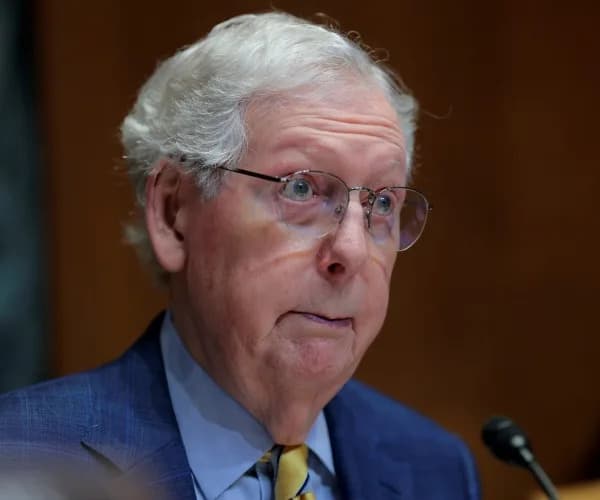
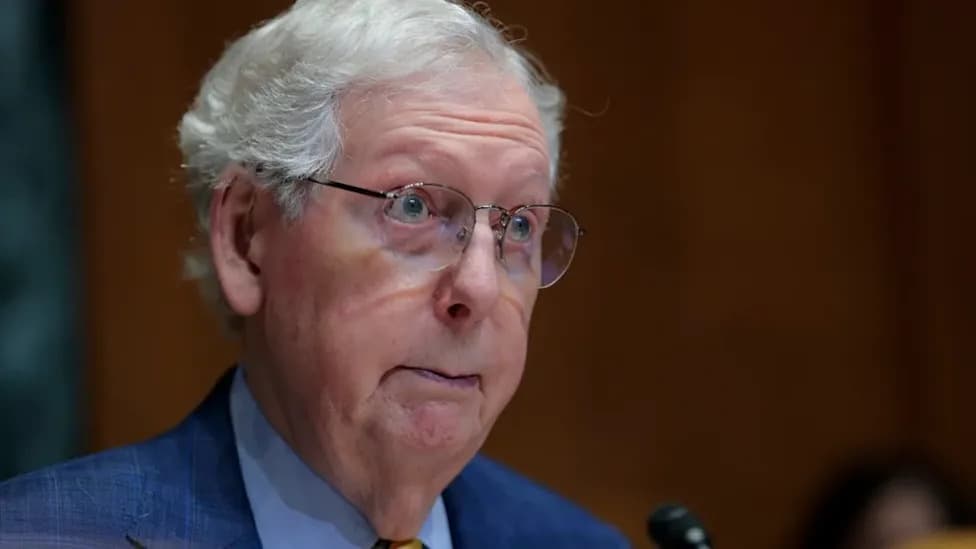
Sen. Mitch McConnell (Anna Moneymaker/Getty Images)
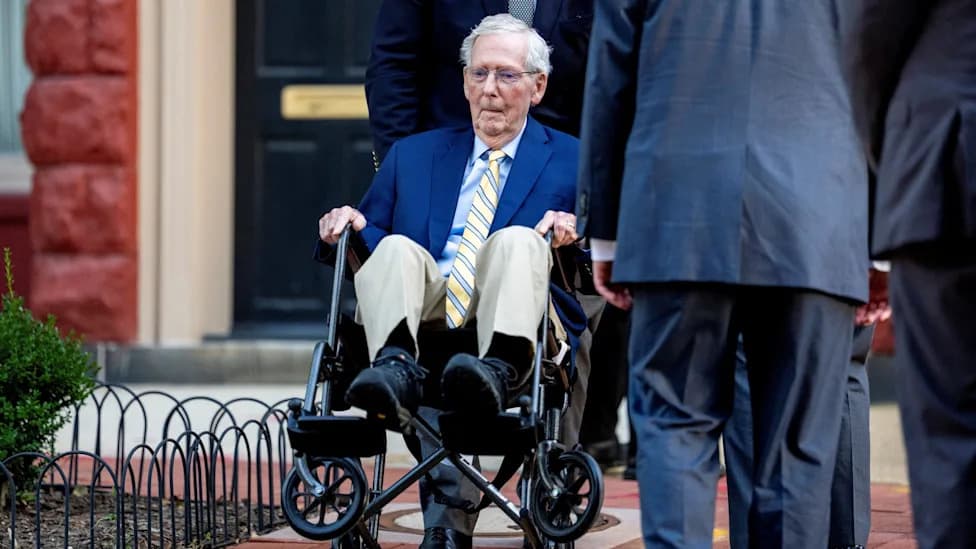
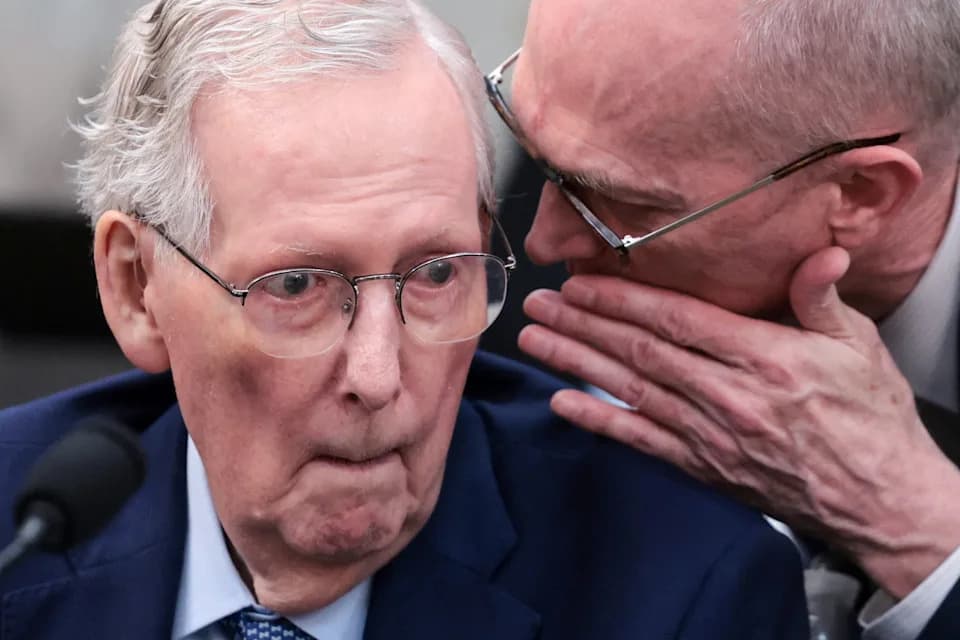
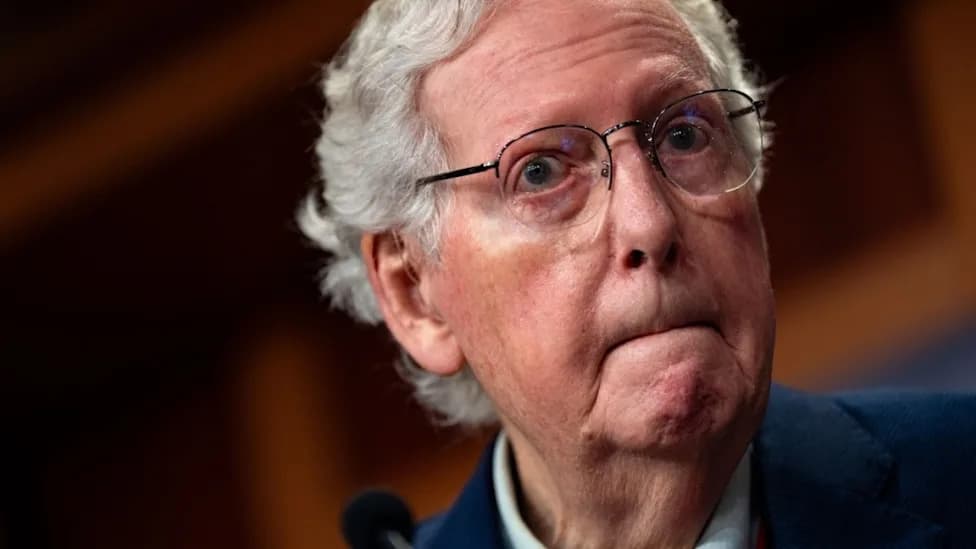
Sen. Mitch McConnell (R-Ky.) remains in rehabilitation after a June 14 fall that required hospitalization at George Washington University Hospital in Washington, D.C. His office says the retiring senator — who has served in the Senate for 42 years — is recuperating, staying current on Senate business and expects to return to work soon. Yet social media, constituents and some public figures have questioned whether he will resume casting crucial votes in the Capitol.
Historical Parallel: Sen. Karl Mundt (1969)
Longtime Capitol Hill observers and veteran reporters point to a quieter precedent: Sen. Karl Mundt (R-S.D.), who suffered a paralytic stroke on Nov. 23, 1969, at age 68. Mundt, a former teacher and superintendent known for his oratorical skills, was forced to miss an extended stretch of Senate business during the early Nixon years. His illness attracted far less public fanfare than McConnell’s situation, but it produced significant political consequences behind the scenes.
1969–70 Fallout
During the 91st Congress (1969–70), Mundt missed 422 of 911 roll-call votes. When the Senate considered the confirmation of Judge G. Harrold Carswell to the Supreme Court, colleagues even asked Mundt’s wife if he could return briefly to vote; she declined. The Carswell nomination failed 51–45, with four senators not voting.
By 1970, pressure mounted quietly within Republican ranks and in South Dakota for Mundt to resign, particularly after Republican Gov. Frank Farrar lost reelection — a result that would have allowed incoming Democratic Gov. Richard Kneip to appoint a successor. After Mundt refused to step down, his party stripped him of committee seniority and temporarily relieved him of committee duties. His health later improved enough for him to finish his term in January 1973; he declined to seek reelection and died in August 1974 at age 74.
Key Differences Today
The McConnell episode differs from Mundt’s in at least two important ways. First, the stakes around individual Senate votes are often higher now because margins are tighter; in 1969–70 the Senate majority was more secure (57 Democrats to 43 Republicans in 1969–70, and 55 Democrats to 45 Republicans in 1971–72). Second, the internet and social media amplify public scrutiny, speculation and demands for transparency in ways that did not exist in Mundt’s era.
“There wasn’t that much of a fuss about Mundt,” historian David Pietrusza observed, noting both the different political arithmetic and Mundt’s lower national profile compared with today’s partisan spotlight on McConnell.
McConnell’s case highlights how medical leave for high-profile lawmakers now prompts rapid public debate about fitness for office, transparency and succession — and how similar health crises have historically been handled more privately within congressional parties.
Source: Reporting adapted from Newsmax. © 2026 Newsmax. All rights reserved.
Help us improve.