
Mojtaba Khamenei said Iran will only pursue a settlement with Washington if Israel halts its strikes on Lebanon, placing preservation of Lebanese territorial integrity at the center of Tehran's demands. He reiterated support for Hezbollah and civilians in southern Lebanon and described their defense as a strategic priority for Iran. The remarks follow a collapsed US–Iran memorandum and a US-mediated Israel–Lebanon framework that tied Israeli withdrawal to Hezbollah disarmament. The violence has caused thousands of deaths and raised fears of wider regional escalation.
Iran Conditions Any US Peace Deal on Israel Ending Attacks on Lebanon, Says Mojtaba Khamenei
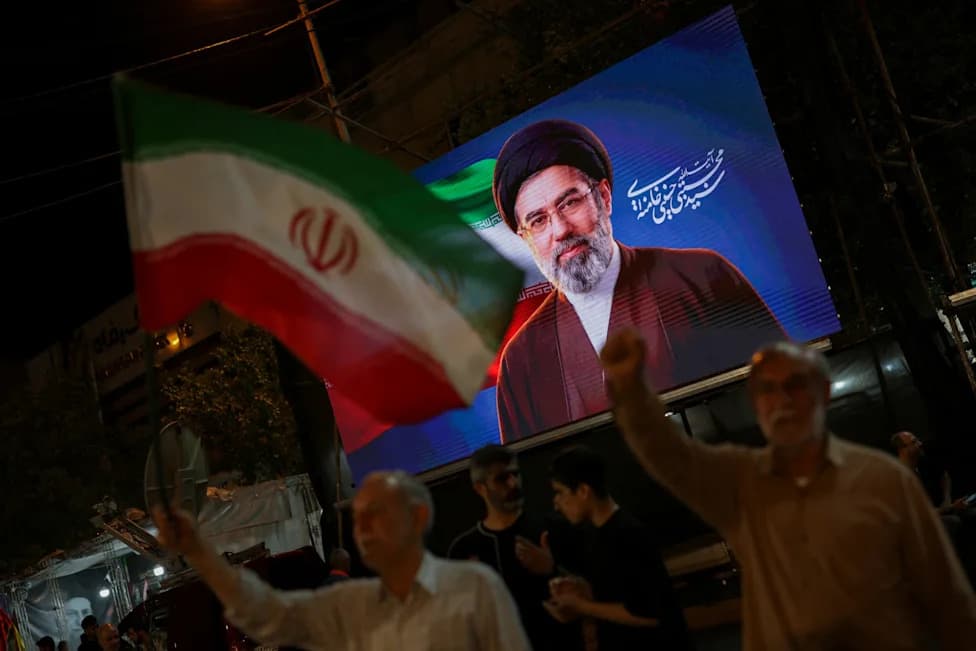
Iran's Mojtaba Khamenei voiced his support for Hezbollah in a series of posts on X [Murad Sezer/Reuters]
Mojtaba Khamenei, the son of Iran's Supreme Leader Ali Khamenei, said on X that Tehran will only agree to peace with Washington if Israel stops its military operations in Lebanon. He framed the preservation of Lebanon's territorial integrity and the "absolute, unconditional termination of the Zionist regime's aggression" as Tehran's primary condition for any settlement with the United States.
Support for Hezbollah and Southern Lebanon
"The Islamic Republic of Iran considers the defense of these oppressed yet powerful mujahideen [of Hezbollah] to be its strategic mandate," Khamenei wrote, also expressing backing for Hezbollah, its leader Hassan Nasrallah, and civilians in southern Lebanon — the main focus of recent Israeli operations.
Diplomacy, a Collapsed Memorandum and Regional Fallout
Khamenei's comments come amid reports of pauses in some attacks and renewed diplomacy between Tehran and Washington. Tehran had reportedly enshrined its demand that Israel stop striking Lebanon in the first clause of a memorandum of understanding signed with the United States in June; that agreement has since unraveled amid disputes, including over activity in the Strait of Hormuz.
How Lebanon Became Involved
Lebanon was pulled into the wider confrontation in March after Hezbollah launched strikes into northern Israel, citing Israeli bombardment of Lebanese territory that it said breached a prior ceasefire. On June 26, following the US–Iran memorandum, Lebanon and Israel signed a US-mediated framework that envisioned a phased Israeli withdrawal from occupied Lebanese areas — but linked the pullback to Hezbollah's disarmament and did not set a firm timetable.
Iran and Hezbollah, which were not participants in those talks, rejected the framework. Although the initial phase called for Israeli forces to withdraw from three "pilot zones," the Lebanese army reported that Israeli troops were obstructing the process, including by refusing to withdraw from designated areas.
Ongoing Violence and Human Cost
As of the latest reports, Israeli forces continued operations across parts of southern Lebanon, including bulldozing, shelling and combing operations with machine guns. At least 4,329 people have been reported killed in Lebanon in the current round of violence; the clashes have also cost the lives of 37 Israeli soldiers and four Israeli civilians. United Nations peacekeepers say Israel violated a previous ceasefire with Hezbollah more than 10,000 times.
Wider Regional Risks
Khamenei's remarks arrive as the conflict shows signs of regional spread: there have been reported exchanges between Yemen's Houthi movement and Saudi forces, raising concerns about a broader escalation.
Note: This article corrects and clarifies earlier inaccurate claims about leadership changes in Iran. Ali Khamenei remains Iran's Supreme Leader; Mojtaba Khamenei is identified in public reporting as his son but is not the country’s supreme leader.
Help us improve.





















