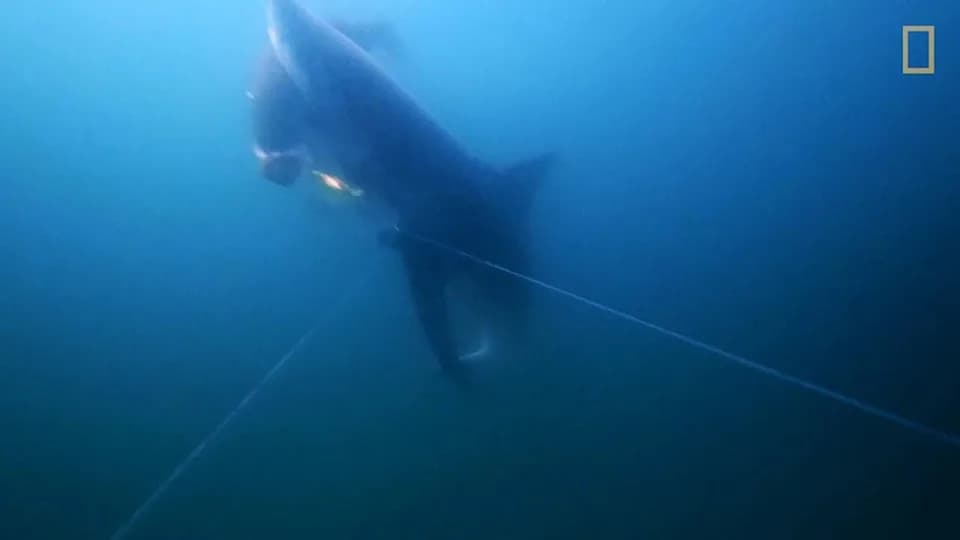
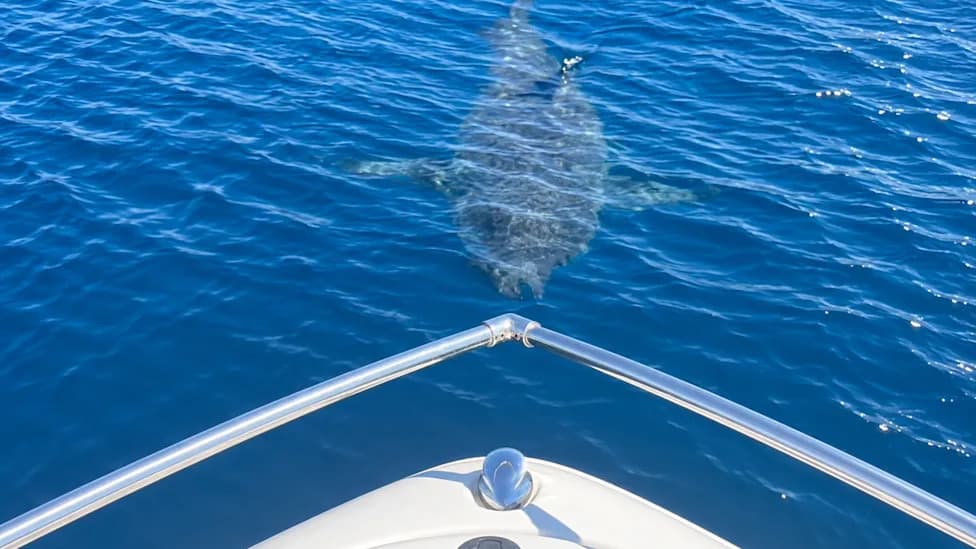
Shark sightings along U.S. shores are up this summer, with Rockaway Beach reporting 16 sightings in July and juvenile great whites moving northward in California as oceans warm. Experts including Neil Hammerschlag say the trend may signal population recovery, not greater danger to swimmers. A separate study found traces of cocaine and caffeine in some Bahamian sharks, highlighting human impacts on marine ecosystems. Shark Week returns for its 38th year with 20 premieres, including a special tracking an 18-foot great white nicknamed "Big Rose."
Shark Sightings Rise Along U.S. Coasts — Experts Say It May Signal Recovery, Not Greater Danger

Shark sightings surge nationwide as Shark Week begins
Shark sightings along U.S. coastlines have increased this summer, a trend experts say may reflect recovering shark populations rather than a higher risk to swimmers.
Rockaway Beach in New York logged 16 shark sightings in July alone, and California has reported a growing number of juvenile great white sharks moving north as warming ocean temperatures shift migration routes and habitats.
Why Sightings Are Increasing
Shark scientist Neil Hammerschlag, speaking on NewsNation's "Morning in America," said more sharks near shore can be "a good sign." He noted that many shark species were overfished for decades and that rising local counts likely reflect population recovery and healthier marine ecosystems rather than a surge in attacks.
"We shouldn't fear being in the water because we're not on the menu," Hammerschlag said. "They generally don't want to have anything to do with people."
Human Impacts on Sharks
Separate research has detected human-derived pollutants in sharks: a study found some sharks in the Bahamas tested positive for substances such as cocaine and caffeine, underscoring how human activity affects marine life and food webs.
Coexisting With Sharks
Experts stress that increased sightings do not automatically mean swimming is unsafe, but they do urge smarter, precautionary behavior from beachgoers and coastal communities. Practical measures include following local advisories, avoiding swimming at dawn or dusk when sharks are often more active, steering clear of areas with baitfish or fishing activity, and using designated swimming zones with lifeguards.
This year's Discovery Shark Week, now in its 38th year, features 20 premieres. One highlight is Hammerschlag's special following his team's search for "Big Rose," an estimated 18-foot great white off the coast of Nova Scotia.
Help us improve.