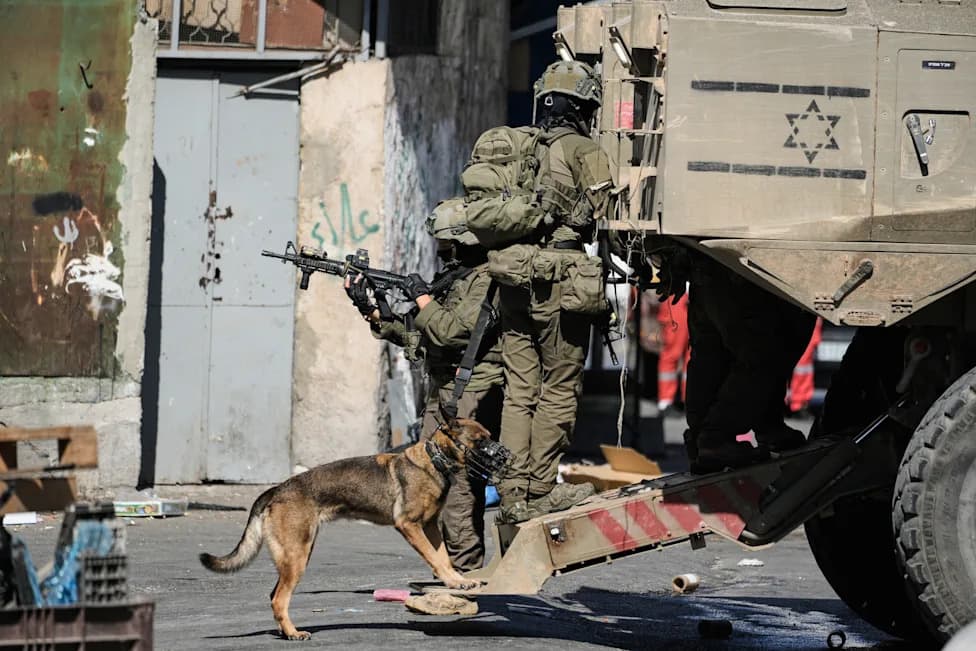
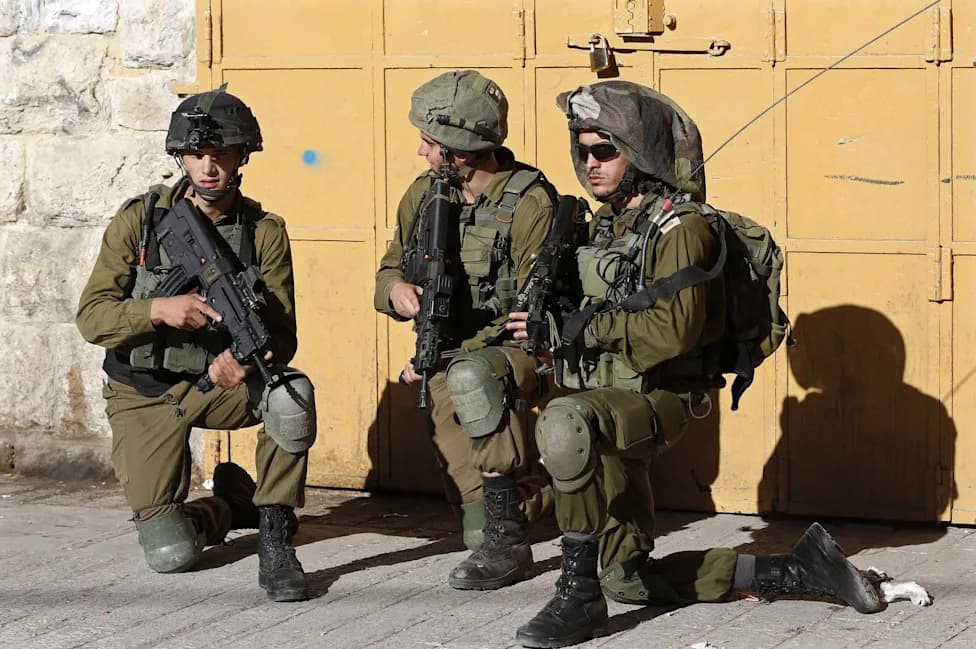
Nablus Governor Ghassan Daghlas accused Prime Minister Benjamin Netanyahu of prioritizing electoral support from settlers over taking decisive action against violent settler attacks, warning that tensions in the West Bank may escalate. The claim follows a deadly shooting in the village of Tell, where a Palestinian seized a weapon during clashes and killed an IDF officer and a civilian security team member. Palestinian leaders urge international intervention as reports of near-daily settler attacks and plans to legalize additional outposts raise alarm.
Nablus Official Says Netanyahu Prioritizes Election Politics Over Curbing Settler Violence
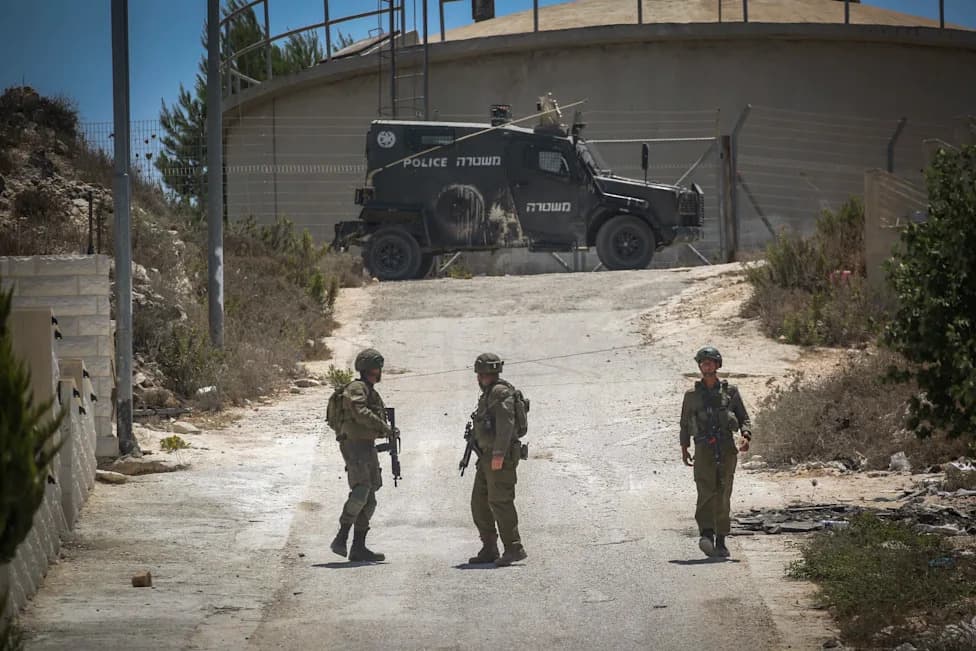
IDF soldiers operate in the village of Tell, near the West Bank city of Nablus, July 25, 2026. (photo credit: NASSER ISHTAYEH/FLASH90)
Nablus Governor Ghassan Daghlas told The Jerusalem Post that Prime Minister Benjamin Netanyahu and his government have been reluctant to take strong action against violent settlers ahead of upcoming elections, a stance he warned could fuel further escalation across the West Bank.
Deadly Clash in Tell
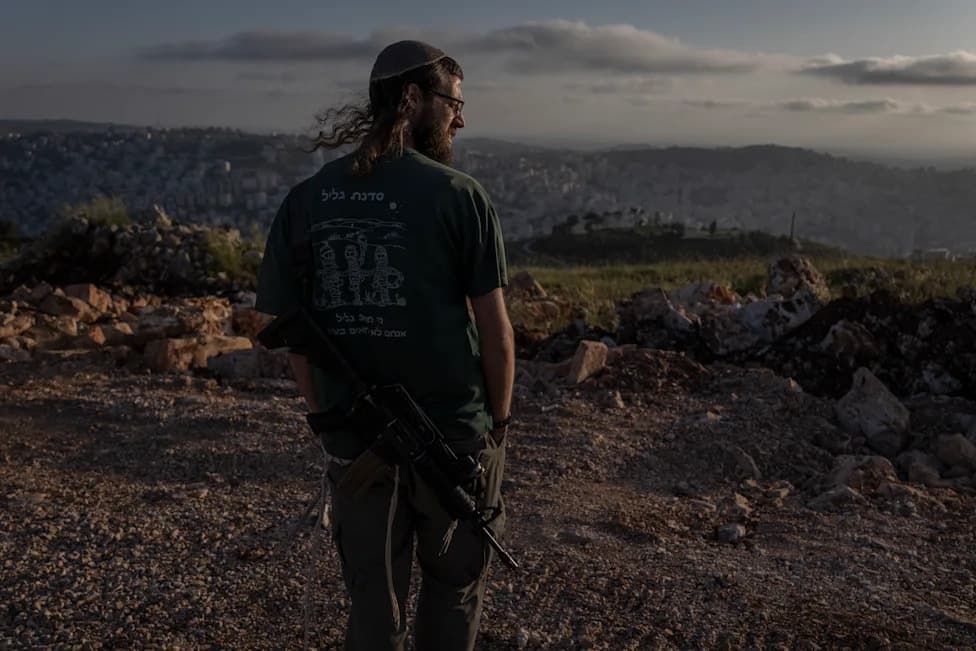
The tensions intensified after a deadly confrontation in the village of Tell, south of Nablus, when a Palestinian man seized a firearm during clashes and fatally shot an Israel Defense Forces commander and a member of the Gilad Farm civilian security team. The shooting followed an outing by a group of Israelis to the outskirts of the village; the IDF said the visit had not been coordinated with its forces and clashes erupted.
Wave Of Retaliatory Attacks
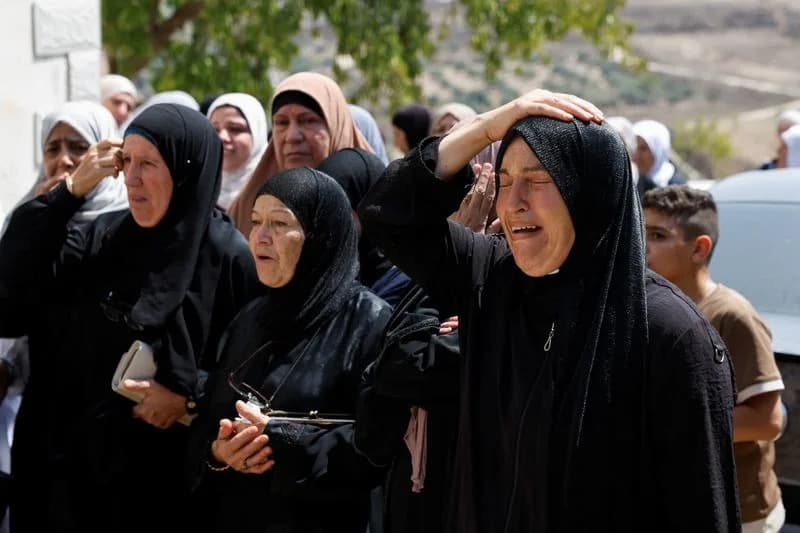
Palestinian media and officials described the event as coming amid a wave of "revenge attacks" by extremist Israeli settlers, reporting incidents of vandalism, arson and the desecration of two mosques in villages south of Tulkarm and Nablus. Palestinians said such attacks have grown more frequent — occurring in some areas almost daily — and include raids, intimidation, physical assaults and property damage.
Political Repercussions And Responses
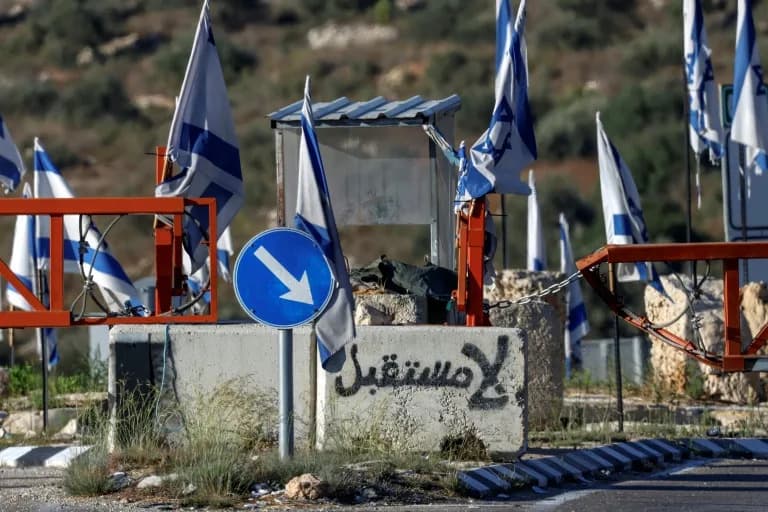
Following the Tell shooting, Prime Minister Netanyahu and Defense Minister Israel Katz announced plans to legalize additional settlement outposts — often referred to as agricultural farms — and to establish new ones in the West Bank. Daghlas criticized the move, saying the government is signaling tolerance for settler expansion while avoiding punitive measures against violent settlers to maintain political support ahead of October's Knesset elections.
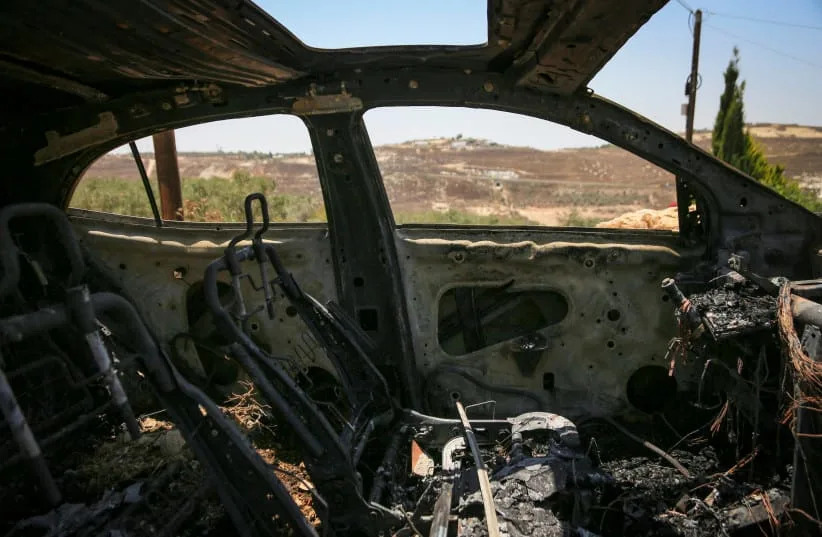
The damage following an attack by Israeli settlers in the village of Tell, near the West Bank city of Nablus, July 25, 2026. (credit: NASSER ISHTAYEH/FLASH90)
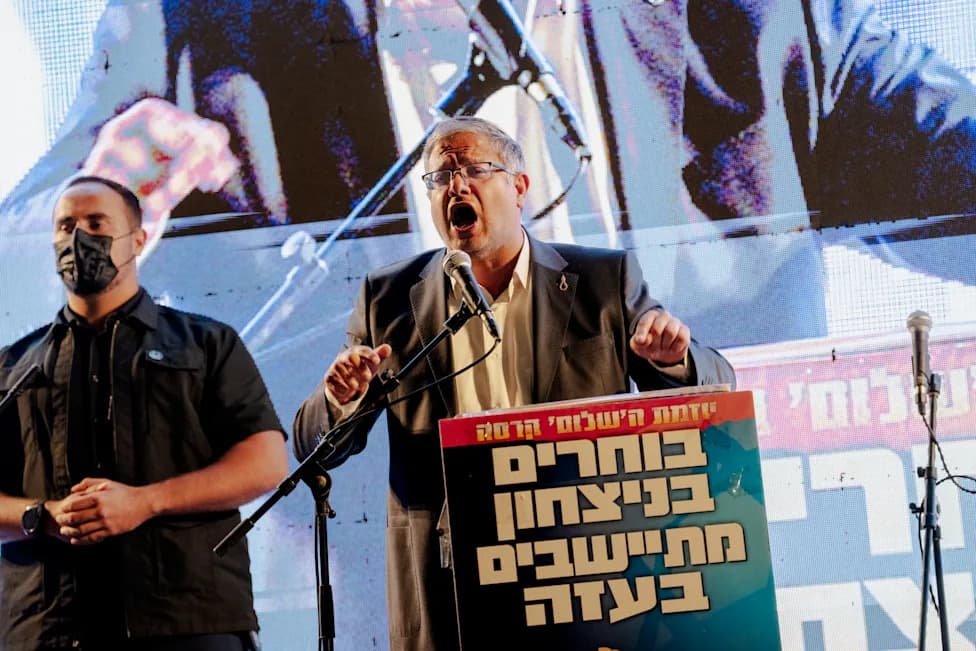
"This is election season in Israel, and Netanyahu and members of his government want to placate settler voters," Daghlas told The Jerusalem Post. "That is why Netanyahu and his political allies avoid confronting violent settlers and do not impose meaningful punitive measures."
Security Measures And Local Impact
In the aftermath of the shooting, Israeli forces intensified operations in the area, carrying out raids, increasing checkpoints and making arrests as part of what they described as counterterrorism measures. Palestinians say these security measures have disproportionately affected Palestinian communities, adding to a sense of frustration and confinement that, they warn, risks further incidents.
Calls For International Intervention
Palestinian Authority President Mahmoud Abbas sent letters to several world leaders, the European Union and the UN Security Council calling for urgent action to halt what he described as continuing Israeli aggression and settler terrorism. The Palestinian Foreign Ministry urged the international community to take practical measures, including considering designation of armed settler groups that commit systematic attacks as terrorist organizations.
Local residents and Palestinian officials expressed fear that the combination of growing settler violence, settlement expansion and limited accountability could lead to wider unrest, with both communities suffering the consequences if the cycle of provocation and retaliation continues.
Photo caption: Damage following an attack by settlers in Tell, near Nablus, July 25, 2026. (credit: NASSER ISHTAYEH/FLASH90)
Help us improve.