Two small U.S. businesses—Burlap and Barrel and Collective Horology—filed suit hours after President Trump’s new tariffs took effect, challenging 10%–12.5% levies on imports from more than 80 countries. Represented by the Liberty Justice Center, the plaintiffs argue the U.S. Trade Representative failed to provide a reasoned, record-based explanation and improperly relied on different statutes following a court loss. The suit seeks to vacate the tariff determinations and urges adherence to statutory limits rather than broad executive action.
Small Businesses File Lawsuit Hours After Trump’s New Global Tariffs Take Effect

In lawsuit filed Friday, plaintiffs charged that U.S. Trade Representative Jamieson Greer "failed to provide a reasoned, record-based explanation for its determinations" in a applying a fresh round of sweeping tariffs. File Photo by Bonnie Cash/UPI
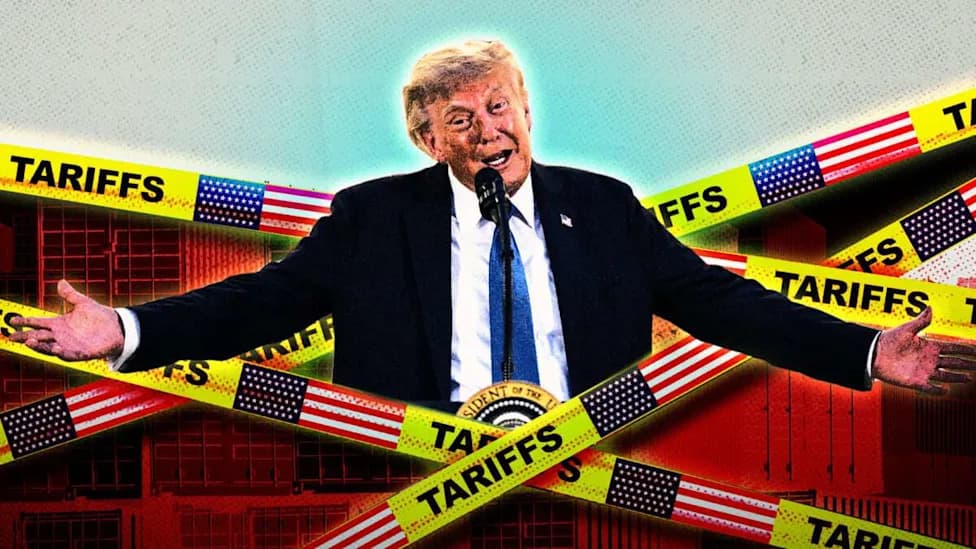
July 25 (UPI) — Two small U.S. businesses filed a federal lawsuit Friday challenging President Donald Trump’s newest global tariff package just hours after it went into effect. The suit targets levies of roughly 10% to 12.5% applied to imports from more than 80 countries, a move the administration argues is aimed at preventing goods made with forced labor from entering the U.S.
The complaint was brought by Burlap and Barrel, a New York spice company, and Collective Horology, a watch retailer in California. Both are represented by the Liberty Justice Center, a legal nonprofit that previously prevailed in a Supreme Court challenge to the administration’s earlier tariffs.
According to the filing, the U.S. Trade Representative failed to provide a "reasoned, record-based explanation" for its determinations and improperly relied on alternative statutory authorities after suffering a loss in court earlier this year. The plaintiffs say the administration is effectively sidestepping statutory limits by switching legal justifications rather than securing new congressional authority.
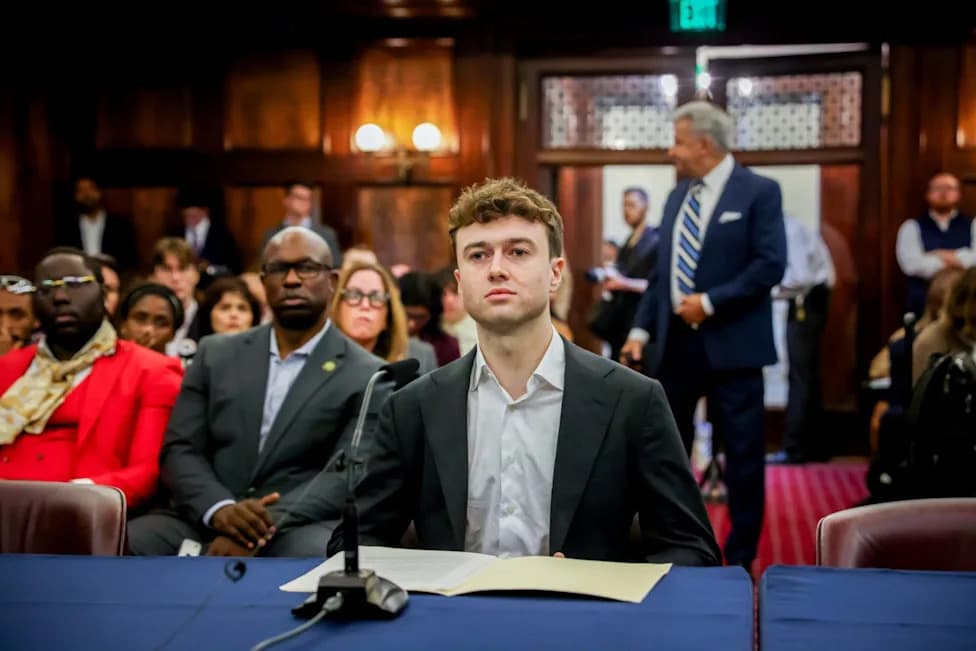
Sara Albrecht, CEO of the Liberty Justice Center, said: "Forced labor is morally indefensible, but an important objective does not give the government permission to ignore the law. The administration allowed one global tariff to expire and immediately replaced it with another under a different statute. Changing the statute doesn't change the law. Every tariff authority has limits, and every administration must respect them."
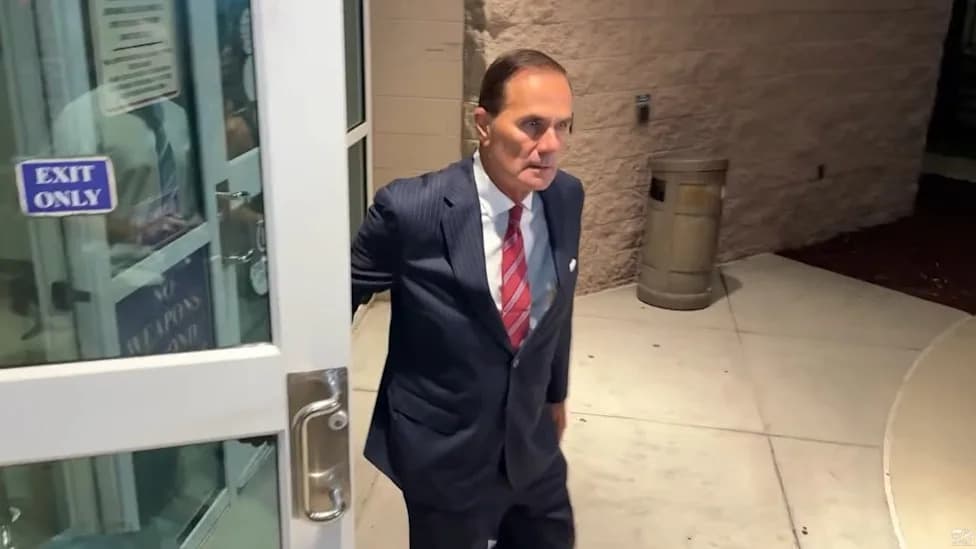
Jeffrey Schwab, senior counsel and director of litigation at the Liberty Justice Center, added: "This is the third time the administration has attempted to impose its global tariff policy without following the statutory limits. Section 301 is a targeted, country-specific and practice-specific remedial authority. It is not a freestanding authorization to tax substantially all imports from substantially all countries at preestablished rates."
The lawsuit asks the court to vacate the tariff determinations and to require that any broad trade measures be grounded in statute and supported by a reasoned administrative record. The case underscores ongoing legal and political debate over the scope of executive trade powers and the potential impact of sweeping tariffs on small importers.
Help us improve.