President Joe Biden voluntarily dismissed his lawsuit on July 25, ending his legal bid to block release of audio recordings from memoir interviews. A divided D.C. Circuit court recently ruled 2-1 that the public interest in disclosure outweighs remaining privacy concerns, though a dissenting judge argued the tapes reflect a substantial privacy interest. The recordings — made in 2016–2017 with ghostwriter Mark Zwonitzer — were obtained during Special Counsel Robert Hur’s probe, which did not result in charges. A district judge earlier found that redactions adequately protect sensitive material.
Biden Drops Lawsuit, Clearing Way for Release of Memoir Interview Audio
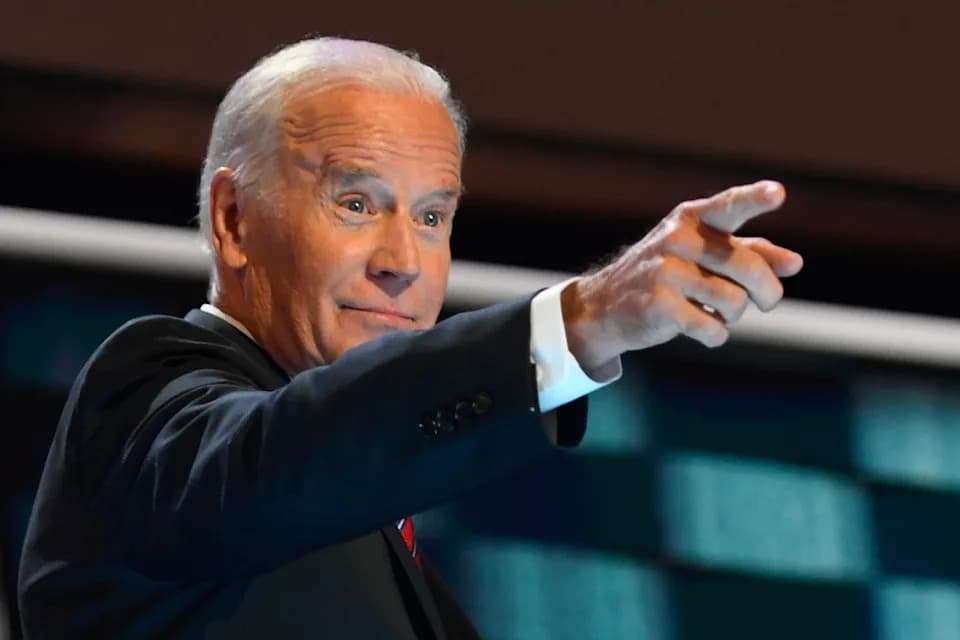
Vice President Joe Biden speaks during the 2016 Democratic National Convention at Wells Fargo Center in Philadelphia.
Former President Joe Biden has voluntarily dismissed his lawsuit seeking to block the public release of audio recordings and transcripts from interviews he gave to the ghostwriter of his memoirs, clearing the way for the materials to be provided to a Republican-led House committee.
What Happened
Biden’s attorneys filed a notice of voluntary dismissal on July 25 in U.S. District Court in Washington, D.C., less than a week after a divided U.S. Court of Appeals for the D.C. Circuit ruled 2-1 against his request to keep the recordings private. The appeal had temporarily paused the release while the parties litigated whether the public interest in disclosure outweighed Biden’s privacy claims.
Court Rulings And Opinions
The D.C. Circuit majority — Chief Judge Sri Srinivasan and Judge Gregory Katsas — concluded that any remaining privacy concerns did not outweigh the public interest in releasing the now-redacted materials. In their opinion the judges wrote that the public interest in disclosure likely outweighed any remaining incursion on personal privacy.
"We conclude that any remaining incursion on personal privacy from disclosure of the now-redacted materials likely does not outweigh the public interest in disclosure," the majority wrote.
Judge Florence Pan dissented, arguing that Biden had demonstrated a substantial privacy interest because the conversations occurred in his home and were collected during a criminal investigation that did not result in charges.
Origins Of The Recordings
The recordings were made during interviews Biden gave to ghostwriter Mark Zwonitzer in 2016 and 2017 while working on his memoir Promise Me, Dad. Federal investigators later obtained the interviews during Special Counsel Robert Hur’s review of Biden’s retention of classified documents from his time as a senator and vice president. Hur ultimately declined to bring criminal charges in 2024.
The Heritage Foundation, a conservative think tank, requested the materials under the Freedom of Information Act and sued to compel their release. In June, U.S. District Judge Dabney Friedrich ruled that, although Biden’s privacy interests were legitimate, they were outweighed by the public interest in government transparency and that Justice Department redactions adequately protected sensitive personal information.
What Comes Next
With Biden’s voluntary dismissal, the appeal is ended and the court-ordered, redacted recordings and transcripts can be turned over consistent with the court’s instructions. Congressional committees are expected to receive the materials under those terms. Biden’s team chose not to pursue further appeals, including the possibility of asking the U.S. Supreme Court to intervene.
Who To Contact: Reporter contact details in the original report are retained by the publisher.
Help us improve.