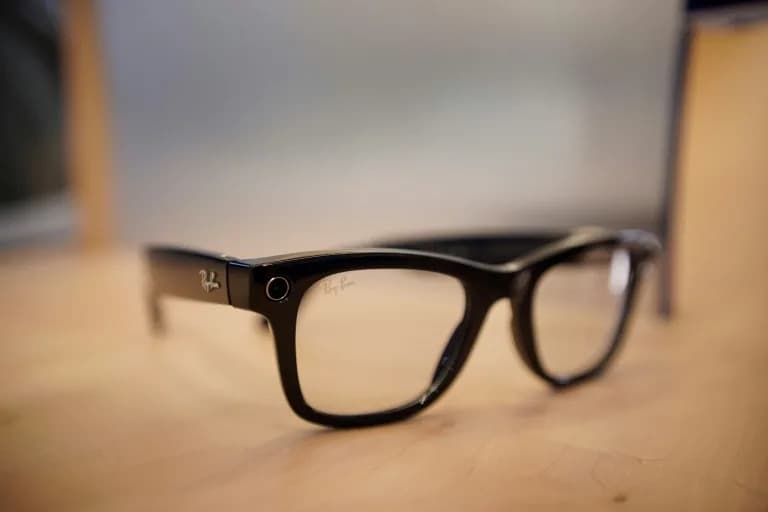
Science Corporation's Prima bionic eye won regulatory clearance for use in Europe, allowing clinicians to treat patients with advanced macular degeneration. The system combines a subretinal wireless microchip with camera-equipped glasses that relay near-infrared video as electrical signals. Early trial results published in late 2024 showed patients could recognize faces and read books, though the company says the device is still early-stage. Initial treatments are expected to begin in Germany, and each implant may cost hundreds of thousands of dollars.
EU Clears Prima Bionic Eye for Patient Use, Paving Way for Commercial Rollout
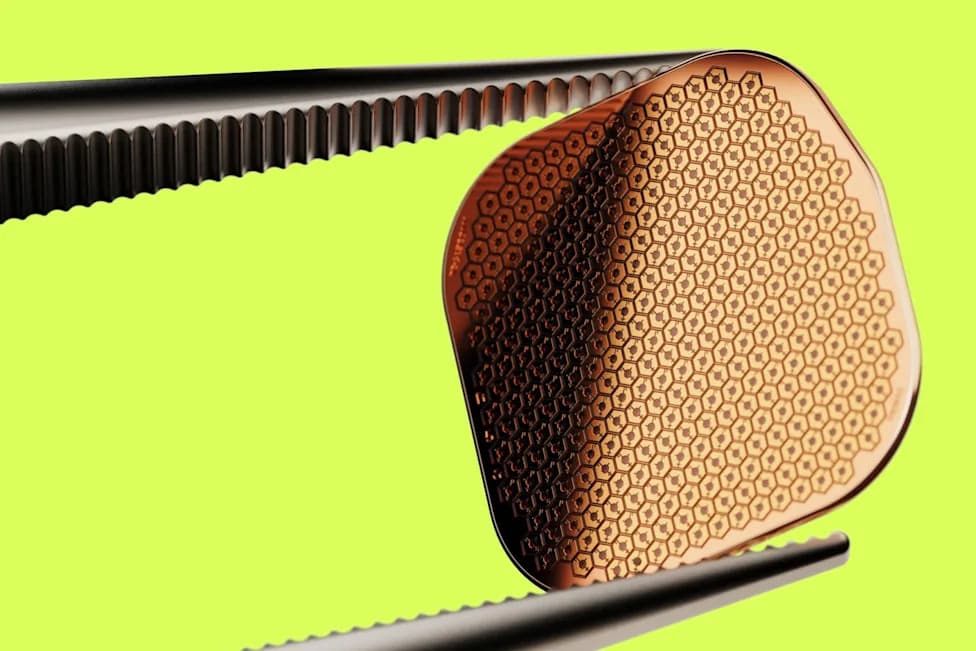
Science Corp / Futurism
Science Corporation's Prima — a subretinal bionic eye designed to restore sight for people with advanced macular degeneration — has received regulatory clearance to be used in Europe, moving the technology closer to commercial availability.
How Prima Works
The system pairs a wireless microchip implanted beneath the retina with a pair of camera-equipped glasses. The glasses capture video and transmit it as near-infrared light to the implant, which converts the signal into electrical pulses the visual system can interpret.
Early Clinical Results
Science Corporation published preliminary clinical-trial results in late 2024 showing that some patients using Prima regained useful visual abilities: recognizing faces, reading books and completing puzzles. CEO Max Hodak highlighted examples such as a French patient who finished a 300-page novel and patients who produced drawings and solved crosswords and Sudoku.
"We have a cochlear implant for vision now," Hodak said, and he described the current device as "an early version"—"kind of like looking through a straw in the centre of their vision."
Limitations, Cost and Next Steps
Hodak, who co-founded Neuralink before launching Science Corporation, emphasized that Prima remains an early-stage technology with room for improvement. The company says future upgrades could improve resolution and approach native acuity and color vision.
Each implant is expected to cost hundreds of thousands of dollars, though Science Corporation says it is working with health-care providers to help offset those costs. Initial patient treatments are most likely to begin in Germany, where the clinical trials were conducted.
Competition and Outlook
Other teams are pursuing similar approaches: Neuralink is developing a vision implant called Blindsight, but that program has not yet entered human trials. Prima's EU clearance is a significant milestone for retinal prosthetics and for patients with advanced macular degeneration, but broader adoption will depend on long-term outcomes, cost, and reimbursement arrangements.
Help us improve.