The trial of former MGH nurse Lindsay Clancy centers on whether she was criminally responsible for the deaths of her three children or was suffering from postpartum psychosis. Prosecutors contend the killings were premeditated and will present digital and other evidence; the defence says she was in a severe psychiatric crisis, possibly worsened by extensive medication. The proceedings also raise questions about standards of postpartum care and have prompted related civil litigation against Clancy's health providers.
Postpartum Psychosis or Premeditated Murder? The Trial of Lindsay Clancy and What It Means for Maternal Mental Health

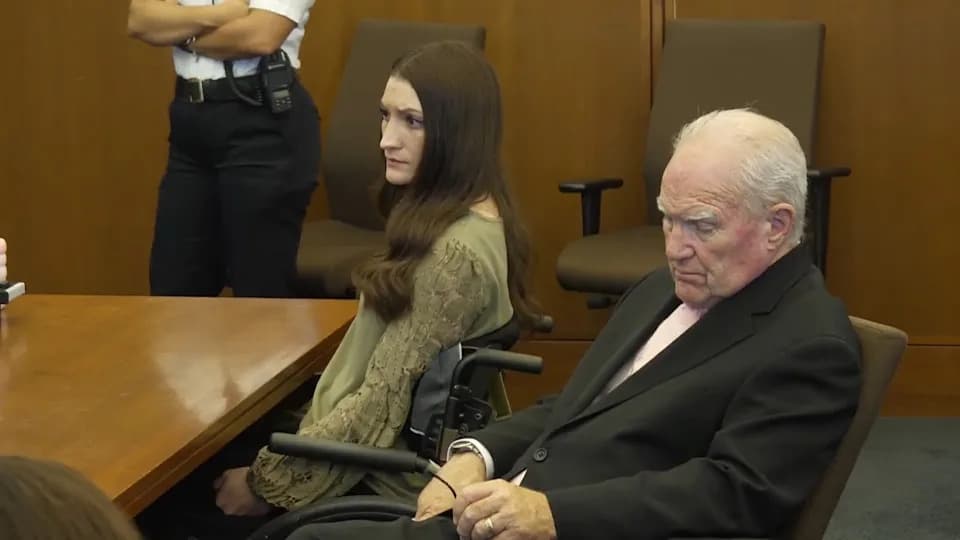
Lindsay Clancy during jury selection for her murder trial, on 22 July 2026 in Plymouth superior court in Plymouth, Massachusetts.Photograph: Greg Derr/Pool The Patriot Ledger/AP
What was going through Lindsay Clancy's mind when she sent her husband out for the children's medicine and takeout — then used exercise resistance bands to kill her three young children?
Clancy, 35, a former labour and delivery nurse at Massachusetts General Hospital, then inflicted severe injuries on herself — stabbing her neck, slashing her wrists — and jumped from a window about 20 feet high, an act that left her paralysed from the waist down.
The Case
The central question at the upcoming trial in Plymouth County Superior Court is whether Clancy was criminally responsible for the deaths of Cora, 5; Dawson, 3; and Callan, 8 months. Clancy has pleaded not guilty. Prosecutors say the killings were premeditated and will point to evidence including internet searches on the night of 24 January 2023 about the distance to a restaurant and pharmacy from the family home.
The defence — supported publicly by Clancy's ex-husband, Patrick Clancy — will argue she was experiencing a severe psychiatric crisis, worsened by what they describe as excessive and inappropriate medication, and that she heard voices instructing her to kill the children and herself.
Legal Standards And Stakes
Massachusetts applies a "lack of criminal responsibility" standard. If the jury accepts the defence, Clancy could be found not guilty by reason of insanity and committed to a state psychiatric hospital. If the defence fails, she faces the possibility of life in prison.
The trial comes amid a broader national debate about the insanity defence that has led several states to restrict or abolish it, and to introduce alternative verdicts such as "guilty but mentally ill."
Medical Context: Postpartum Psychosis And Treatment Questions
Postpartum psychosis is a rare but severe psychiatric condition at the extreme end of the postpartum spectrum, marked by hallucinations, delusions and loss of touch with reality. Experts, including Dr Lee Cohen of the MGH Center for Women's Mental Health, have told lawmakers that the condition can appear rapidly and can be treated effectively with timely, appropriate care.
Clancy had been discharged from McLean Hospital earlier the month of the killings. The defence contends she was prescribed 13 different medications over four months — including multiple benzodiazepines and several antidepressants/mood stabilizers — and argues that this combination produced or exacerbated psychotic symptoms. The prosecution will counter with evidence it says shows planning and culpability.
Related Legal And Civil Issues
Patrick Clancy has filed a civil lawsuit against his former wife's mental health providers, naming individual clinicians and institutions and asserting failures in care and medication management. The question of whether Clancy's outpatient care and discharge were appropriate will likely be a major focus of testimony.
Historical Context
Previous high-profile cases involving postpartum mental illness have produced mixed outcomes: Andrea Yates was initially convicted for drowning her five children in 2001 and later found not guilty by reason of insanity at retrial; Carol Coronado was convicted in 2014 despite disputed psychiatric evaluations. Research shows outcomes in such cases are influenced by many factors, including the timing and quality of diagnosis and treatment.
What To Watch In The Trial
- Whether prosecutors can establish premeditation through digital evidence and witness testimony.
- How the defence establishes the presence and severity of postpartum psychosis and whether medication contributed to Clancy's state.
- Testimony about standard of care at McLean and other providers, and the merits of the civil malpractice claims.
- Broader implications for how the legal system and health care systems treat new mothers with severe psychiatric illness.
"Even though we are in court, let's talk a little about humanity, let's talk about how we should try this case," defence attorney Kevin Reddington told the judge, urging sensitivity in presenting graphic evidence to jurors.
The case is both a criminal prosecution and a flashpoint in public debate about diagnosis, treatment and legal responsibility at the intersection of severe mental illness and tragic family loss.
Help us improve.