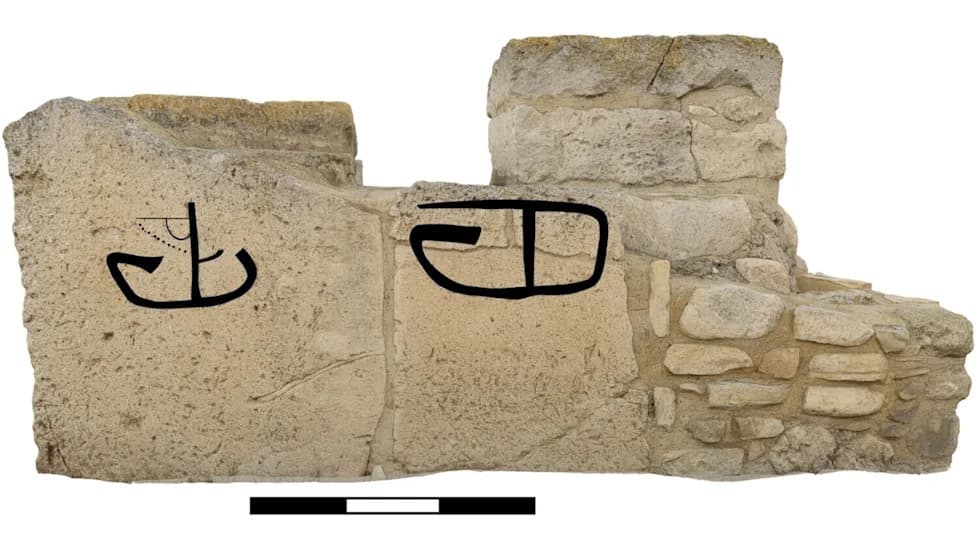
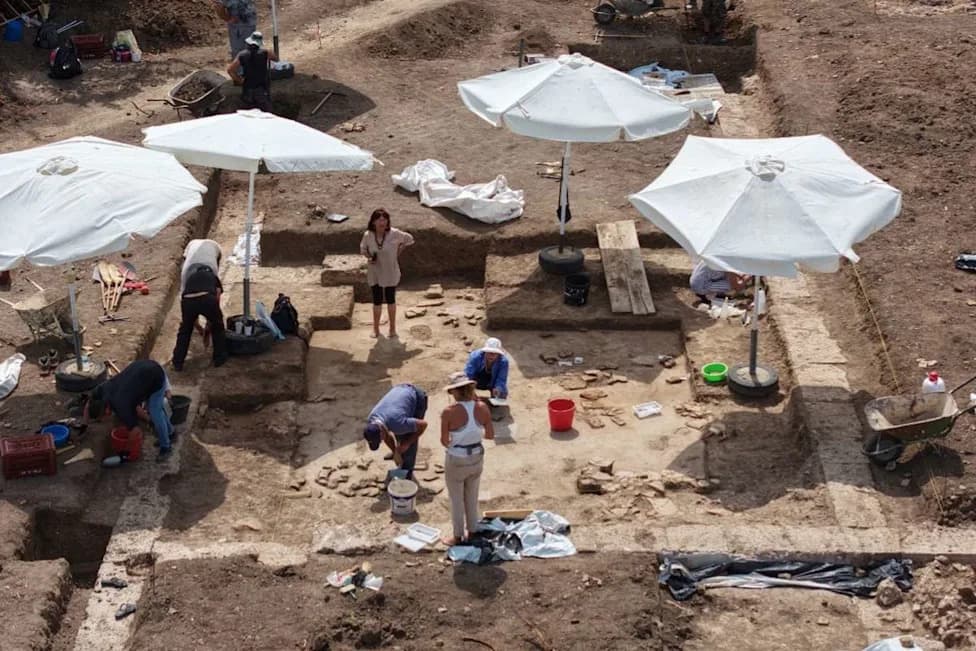
Archaeologists with the French Archaeological Mission in Libya have identified an ancient Greek hippodrome at Apollonia, along with a seaside theater and several sacred complexes. Vincent Michel, who has led the mission since 2011, described the racecourse as an “exceptional scientific find” and said it appears unique in Cyrenaica and the wider Mediterranean. The discoveries could prompt a reassessment of Apollonia’s role as the harbor of Cyrene, and formal reports are expected soon to allow scholarly review and comparison.
Unique Ancient Greek Hippodrome Unearthed at Libya’s Apollonia Could Recast Mediterranean History
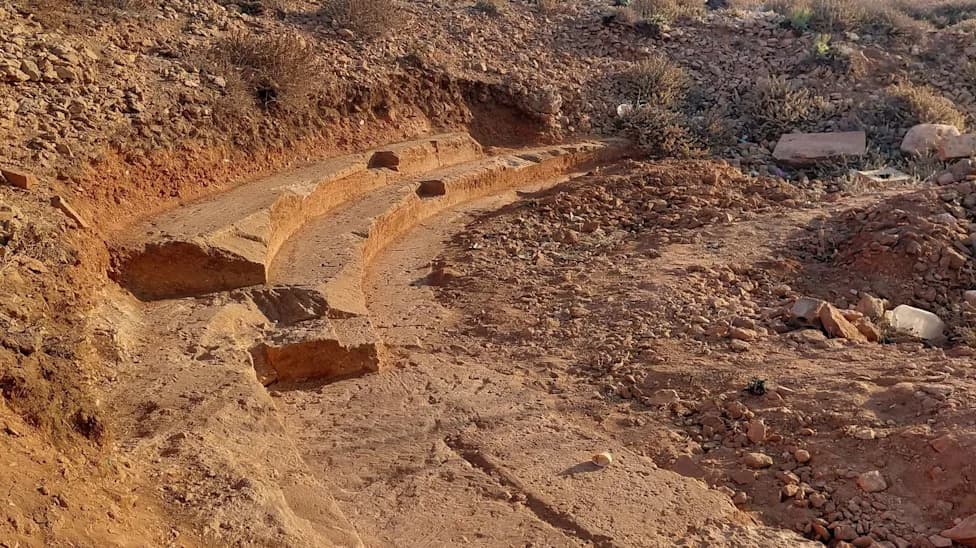
Photo Credit: Apollonia Heritage And Culture Organization
Archaeologists have identified a previously unknown ancient Greek hippodrome at Apollonia on Libya’s eastern coast, alongside a seaside theater and multiple sacred complexes. The discovery, announced by the French Archaeological Mission in Libya, expands the known urban and ritual landscape of this important harbor city of Cyrene.
The Finds
Researchers documented an oval racecourse (hippodrome), a theater oriented toward the Mediterranean, and several religious precincts during recent fieldwork near the modern town of Sousse, adjacent to the ruins. The French mission, which has been studying Apollonia’s Greek and Roman remains for years under the direction of Vincent Michel, revealed the discovery at a press briefing on Thursday.
“An exceptional scientific find,” said Vincent Michel, who has led the French Archaeological Mission in Libya since 2011. He added that the racecourse appears to be unique in Cyrenaica and across the wider Mediterranean.
Historical Context
Apollonia served as the port for Cyrene, the Greek colony founded in the seventh century B.C. by settlers from Thera (modern Santorini). During the Greek and Roman periods the site prospered as a regional trading hub, and the newly identified structures may change how scholars understand the city’s social, religious, and civic life.
Significance and Next Steps
Officials say the hippodrome could force a reassessment of Apollonia’s role in the ancient Mediterranean and prompt fresh comparisons with other ancient urban centers. Formal scientific reports on the hippodrome, theater, and sacred complexes are expected soon; once published, they should enable independent verification, scholarly debate, and comparative analysis.
Major discoveries like this can also strengthen arguments for documentation, conservation, and international collaboration. When conditions permit, such work may attract educational investment, help develop heritage tourism, and provide restoration-related jobs and training for nearby communities.
Excavations and analysis at Apollonia continue under the French Archaeological Mission in Libya. Researchers emphasize that significant questions remain and that forthcoming publications will be crucial for refining the site’s story.
Help us improve.