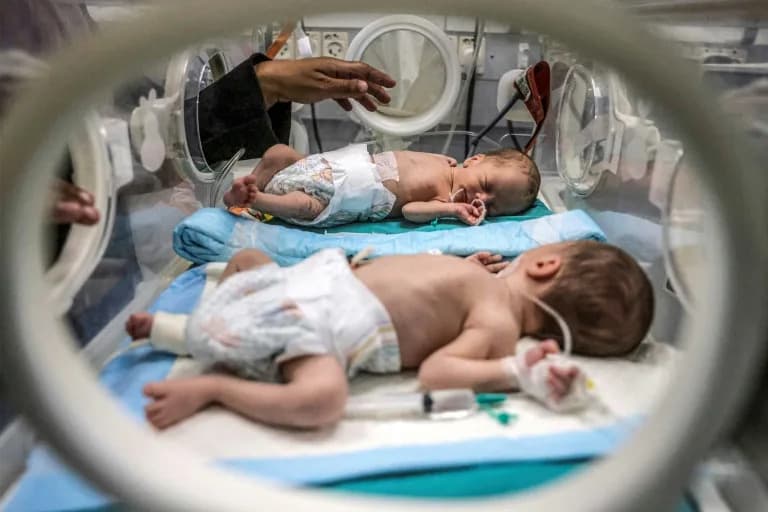
Premature births and low‑birthweight infants in Gaza have surged since October 7, 2023, straining the territory’s limited neonatal services. Noor Salem’s newborn son, Yazan, was born at eight months and requires intensive care in the only neonatal unit serving central Gaza. Medical staff and aid groups say maternal malnutrition, chronic stress, repeated displacement and collapsing prenatal care are the main drivers, while hospitals face shortages of incubators, ventilators, medicines and fuel. Local charities provide support, but needs far outstrip available resources.
Born Too Soon: Premature Babies Struggle to Survive as Gaza's Neonatal Care Buckles
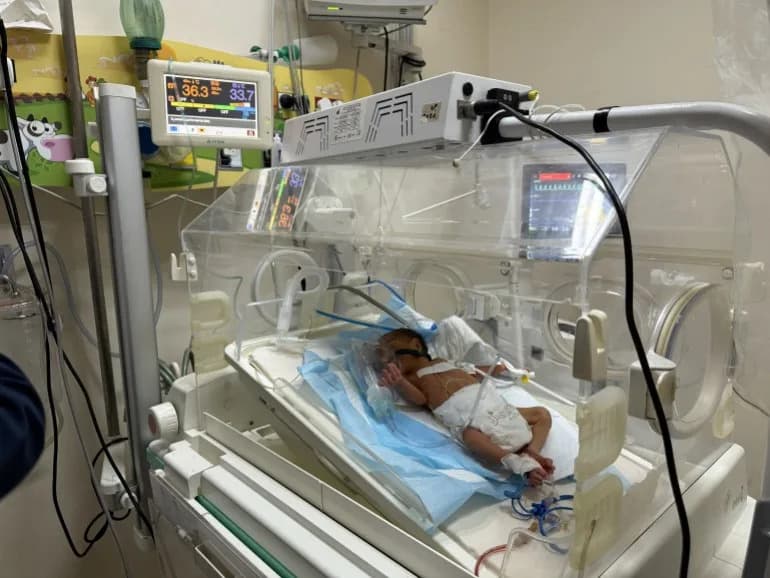
Yazan Al-Khalidi, born in the eighth month of pregnancy. After birth, he experienced breathing difficulties [Eman Abu Zayed/Al Jazeera]
Noor Salem, 30, sits beside an incubator in the neonatal intensive care unit at Al‑Aqsa Martyrs Hospital in central Gaza, watching her newborn son, Yazan Al‑Khalidi, connected to tubes and monitors behind a pane of glass. Born at eight months, Yazan arrived with breathing difficulties and was immediately transferred to the hospital’s neonatal unit in Deir el‑Balah.
Personal Loss, Constant Fear
This is Noor’s second pregnancy loss: her first baby died shortly after birth during the famine in Gaza in 2025. During her pregnancy with Yazan she faced severe shortages of food and basic goods, repeated displacement and the constant fear that history would repeat itself.
"I was afraid throughout my pregnancy because I had already lost my baby before. When he was born and did not cry or move like other babies, I felt terrified. All I wanted was for him to survive," Noor said.
Rising Prematurity and Strained Services
Health workers and aid agencies report a sharp increase in premature births, low‑birthweight infants, stillbirths and congenital complications since the conflict that began on October 7, 2023. UNICEF has warned that roughly one in five newborns in Gaza now requires intensive neonatal or thermal care.
Medical professionals link the surge to several interrelated factors: maternal malnutrition caused by restricted supplies and food shortages, prolonged psychological stress from displacement and bombardment, and the deterioration of prenatal and maternity services across the enclave.
Voices From the Front Line
Dr Afnan Abu Hasaballah, an obstetrician and gynaecologist who works with UNRWA and Al‑Awda Health Hospital in Nuseirat refugee camp, describes exhausted, traumatised mothers arriving at hospitals. "Constant fear, repeated displacement, lack of food and clean water, and limited access to prenatal care all increased the risk of premature birth," she says.
Dr Abu Hasaballah warns that inadequate maternal nutrition raises the risks of anaemia, pregnancy complications and restricted fetal growth—factors that contribute directly to prematurity and low birthweight.
One Unit, Immense Pressure
Al‑Aqsa Martyrs Hospital houses the only neonatal unit serving central Gaza, placing immense strain on its staff and equipment. Teams are working under severe pressure with shortages of incubators, ventilators, essential medicines and basic supplies, alongside repeated power and fuel outages that endanger infants in incubators.
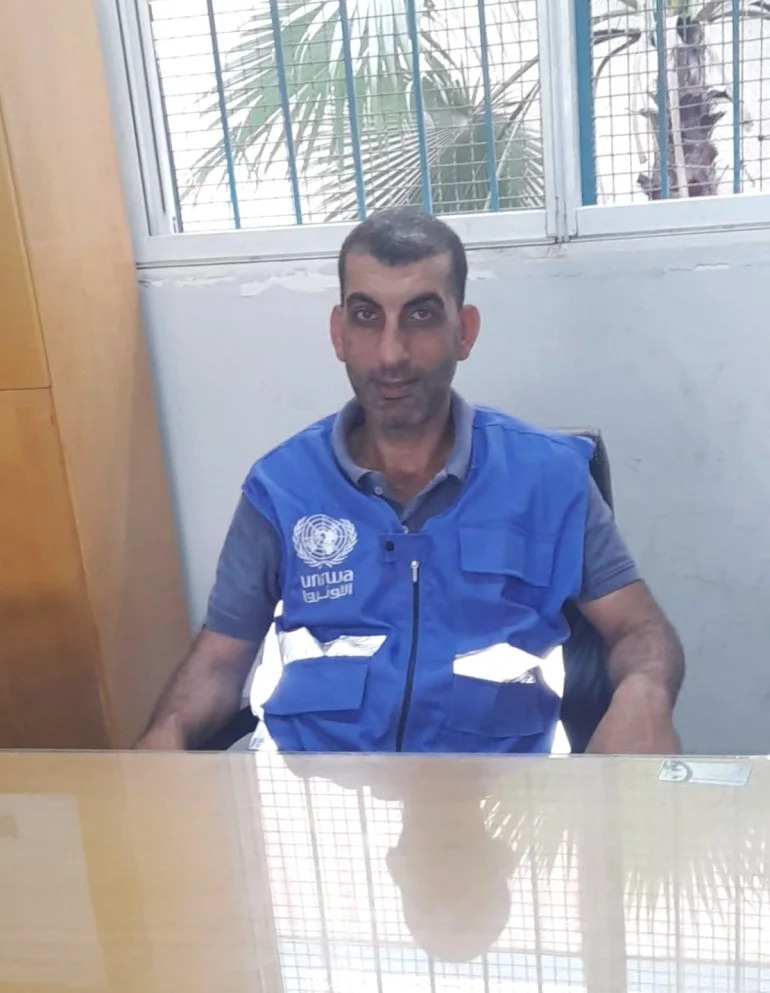
Akram Abu Jiab, head of Qutoof Al-Khair Foundation, which supports pregnant women and newborns by providing vitamins and nutritional supplements for mothers, as well as medicines and medical supplies for children [Eman Abu Zayed/Al Jazeera]
"Premature newborns need continuous monitoring, respiratory support and adequate nutrition and treatment. When these resources are unavailable, the risk of respiratory failure, hypothermia, infection and low blood sugar increases," Dr Abu Hasaballah said. "Some infants who might have survived under normal conditions are now at higher risk of death because basic care cannot always be provided."
Trauma Extends Beyond the Hospital
Separation of mothers and babies immediately after birth is profoundly traumatic. Instead of celebrating and bonding, many mothers watch infants being transferred directly to incubators or intensive care amid overcrowded wards and power shortages. Staff work around the clock, but demand often outstrips available resources.
After discharge, families face additional challenges: many return to homes without sterilisation kits, baby clothes, diapers, formula or reliable access to clean water—making postnatal care and follow‑up difficult or impossible for vulnerable newborns.
Humanitarian Response and Limits
Local charities such as the Qutoof Al‑Khair Foundation in Nuseirat refugee camp provide vitamins, nutritional supplements, medicines and essential baby items. Akram Abu Jiab, the foundation’s head, says demand is growing and that premature infants require ongoing medical follow‑up after leaving hospital—care many families cannot afford.
"The scale of needs far exceeds available resources," Abu Jiab said. "Supporting mothers and children now is not a luxury; it is essential to protect the next generation."
What the Evidence Shows
UN agencies and local clinicians point to a clear pattern: conflict‑related disruption of food supplies, health services and safe living conditions is associated with rising rates of prematurity and newborn complications. International aid, reliable fuel and uninterrupted power, and restoration of basic prenatal services are among the measures experts say are needed to reduce infant mortality and improve outcomes for mothers and babies.
Note: This article reports the experiences of families and health professionals in Gaza and references warnings from UNICEF and frontline clinicians about worsening neonatal outcomes amid the ongoing crisis.
Help us improve.