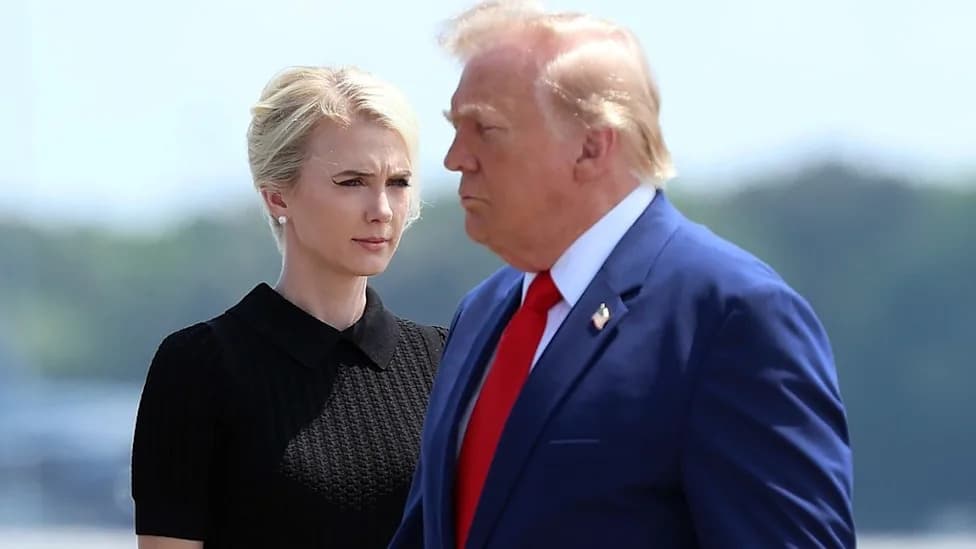
Short answer: The photo of Donald Trump circulating on X was digitally altered to exaggerate facial wrinkles, add bump-like blemishes and lighten parts of his face. The original Reuters image from July 22, 2026, does not show those marks or paler skin tones. The edited image was shared in a July 23 post by @aintscarylarry and highlighted in side-by-side comparisons that point to digital manipulation.
Fact Check: Viral Trump Photo Was Digitally Altered To Exaggerate Wrinkles, Add Blemishes And Lighten Skin
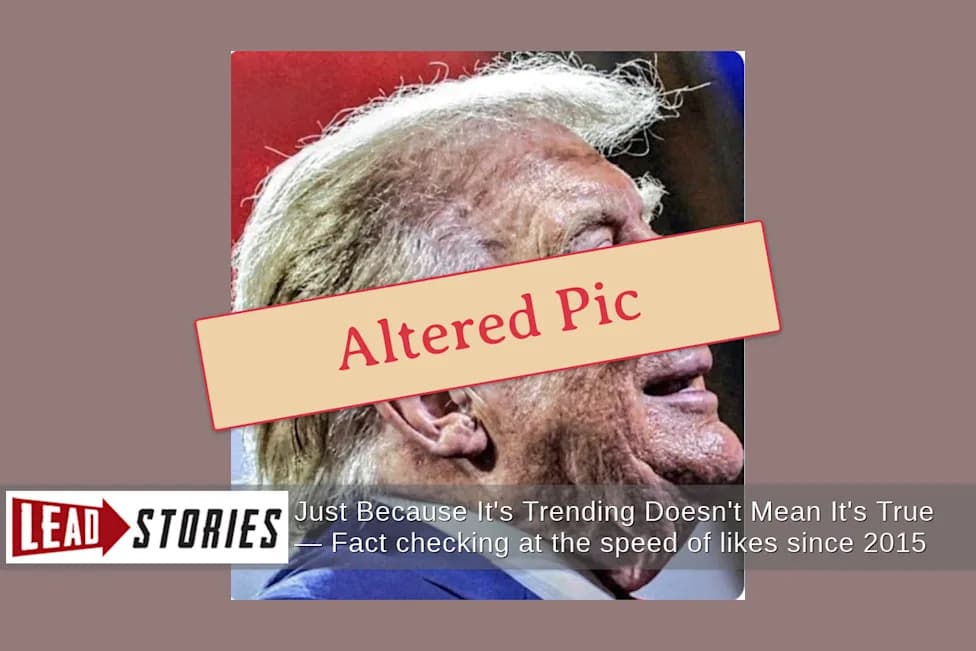
Lead Stories says: Altered Pic
A widely shared image of former President Donald Trump that circulated on X (formerly Twitter) was digitally altered to exaggerate facial wrinkles, add bump-like blemishes and lighten portions of his skin. The edited image gives the appearance of heavier lines, additional spots and paler skin that do not appear in the original news photo.
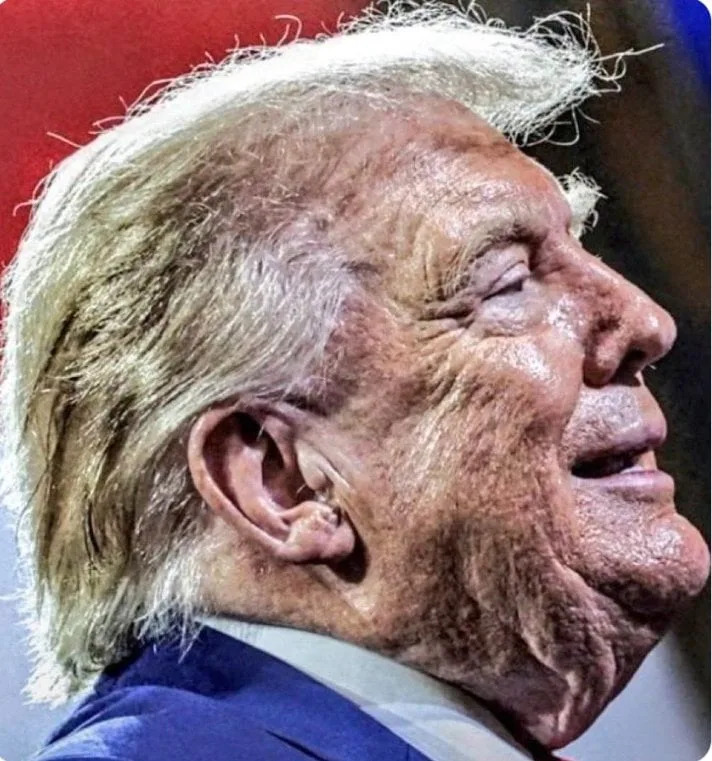
Image source: post by @aintscarylarry on X.
What Was Posted
The claim appeared in a July 23, 2026 post on the X account @aintscarylarry. The post opened with the line:
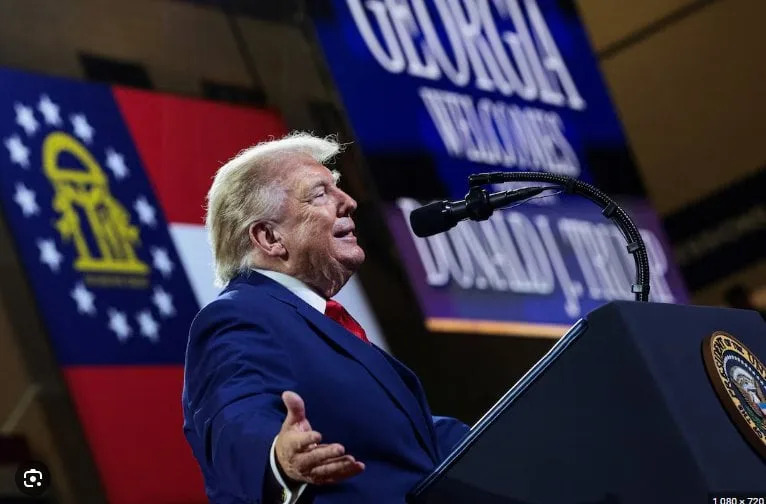
Image source: Reuters.
Yesterday trump mocked Jon Ossoff's appearance.
The image shared in that post shows pronounced wrinkles, discolored patches and small raised-looking bumps on the side of Trump’s face.
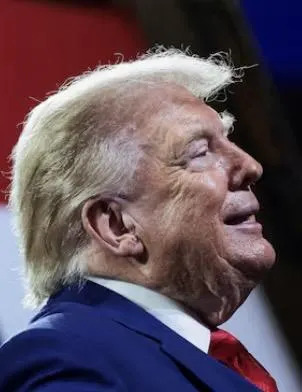
Image source: Reuters.
Original Photo And Source
Reuters published the original photo on July 22, 2026, as part of coverage of a campaign rally in Marietta, Georgia, where Trump mocked Sen. Jon Ossoff (reporting noted that Trump mistakenly called him “Pinky Herman” instead of “Pee-wee Herman”). The Reuters image does not show the same heavy wrinkles, blemishes or the paler skin tones visible in the X post.
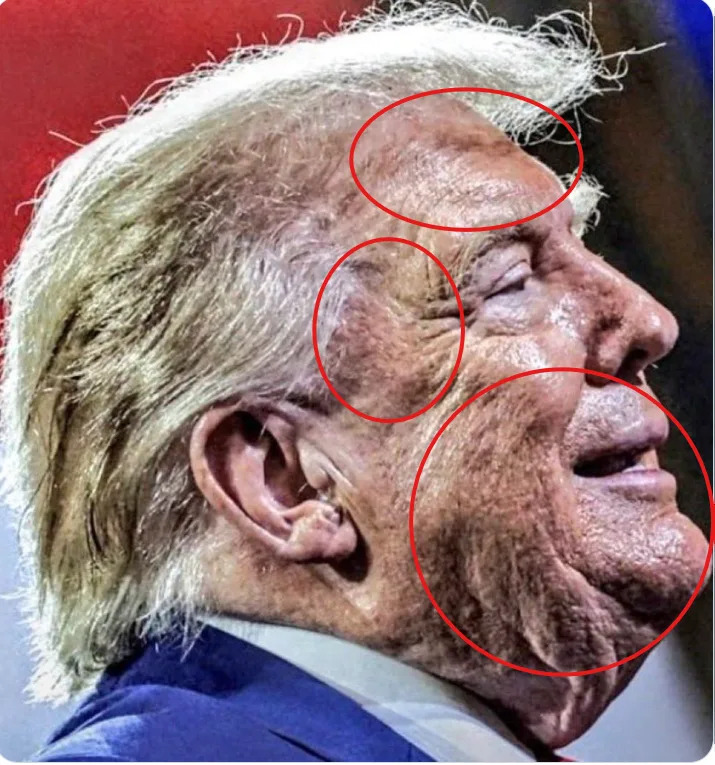
Image source: post by @aintscarylarry on X.
Zoomed-in comparisons of the two images show that the Reuters photo has smoother skin tones and brighter areas on the cheek, forehead, nose, chin and the region near Trump’s hairline, while the circulated image displays additional texture and lightening consistent with digital editing.
How We Know The Image Was Altered
- The edited version contains exaggerated wrinkle lines and added bump-like blemishes that are absent from the Reuters original.
- Color differences are evident: portions of the face in the shared image are noticeably lighter than in the original photo.
- Independent comparisons (for example, a Lead Stories side-by-side with red circles highlighting differences) make it clear the altered image introduced features not present in the news photo.
Verdict
Not authentic — the image circulating on X has been digitally manipulated to exaggerate wrinkles, add blemishes and lighten parts of Donald Trump’s face. The original Reuters photo published on July 22, 2026, does not contain those added marks or paler skin tones.
Tips For Readers
If you see striking or sensational images online, verify the source: check the original publisher (newswire or outlet), look for side-by-side image comparisons, and use reverse image search to trace the earliest known version. When an image accompanies a social post but differs from the outlet’s published photo, treat the social-media version with skepticism.
Image credits: Reuters (original photo); post by @aintscarylarry on X (altered image as shared).
Help us improve.