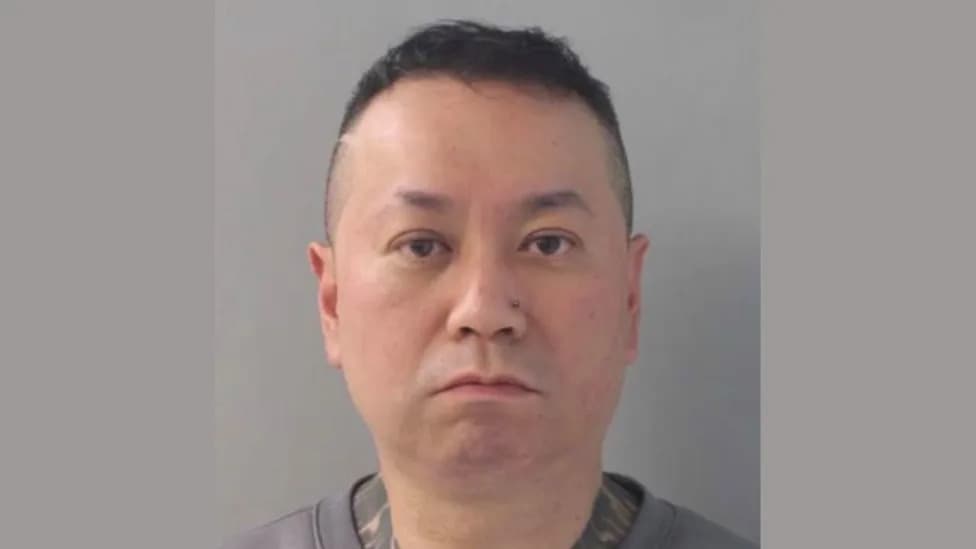
Police in Cape Coral say fraudsters called bank customers in multiple states, coaxed one-time passcodes and verification details from them, then used that information to change mailing addresses and order expedited replacement debit cards sent to Cape Coral. Detectives linked the scheme to 31-year-old Santino Parreno Guerra, who was arrested during a July 23 search and faces several charges. Authorities warn consumers never to share one-time codes with unexpected callers and urge immediate contact with banks and reporting to the FTC if account changes or alerts are noticed.
Fake Bank Calls Used One-Time Codes To Reroute New Debit Cards To Cape Coral, Police Say
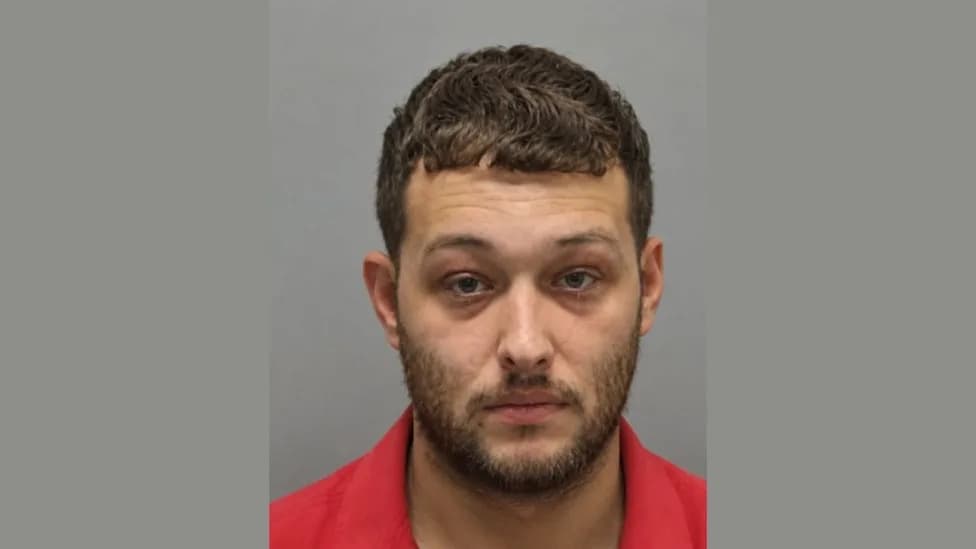
Image Credit: Lee County Sheriff's Office.
Cape Coral, Fla. — Police say fraudsters posed as bank representatives to trick customers into revealing one-time passcodes and other verification details, then used that information to change mailing addresses and request expedited replacement debit cards sent to Cape Coral.
How the Scheme Worked
According to investigators, callers contacted bank customers in multiple states and asked for temporary verification codes and additional account details. Those one-time passcodes — designed to confirm a customer's identity — were then used to impersonate the account holders when contacting the banks' call centers.
With the stolen information, the fraudsters requested mailing-address changes and expedited replacement debit cards. The newly issued physical cards were shipped to addresses in Cape Coral, putting the cards under the criminals' control and allowing immediate ATM withdrawals and high-value purchases.
Arrest And Charges
Detectives with the Cape Coral Police Department connected the activity to 31-year-old Santino Parreno Guerra. During a July 23 search of a residence on Northeast 24th Avenue, Economic Crimes detectives and the SWAT team recovered evidence and arrested Guerra.
He was booked into Lee County Jail on multiple charges, including fraudulent or illegal use of personal identification involving a victim age 60 or older, grand theft, and resisting an officer without violence. The investigation remains active and the charges are allegations that have not been proven in court.
Why This Tactic Is Dangerous
Unlike simple card-number theft, this tactic secures newly issued physical cards, shortening the time between takeover and use. Investigators also reported that the fraudsters used stolen funds to buy large money orders — a common way to move stolen money into another instrument and obscure the trail.
Consumer Advice And Next Steps
Do not share one-time passcodes or verification codes with anyone who calls, texts, or emails unexpectedly. The Federal Trade Commission and the Office of the Comptroller of the Currency both warn that legitimate bank representatives will not ask you to read back a one-time code they just sent.
If you receive unexpected alerts (address changes, replacement-card notices, failed-login messages, or one-time codes):
- Hang up and contact your bank using the phone number on your card, the official bank app, or the bank's verified website.
- Ask whether your mailing address or phone number was changed and cancel any replacement cards that were ordered without your consent.
- Reset online banking passwords from a secure device, remove unknown devices from your account, and review recent withdrawals and transactions.
- Preserve evidence: save one-time-code messages, call logs, voicemails, emails, bank alerts, address-change notices, card-shipping notices, transaction records, ATM slips, money-order receipts, screenshots, and any names or phone numbers used by the caller.
- Report bank impersonation and identity theft to local police, the FTC at ReportFraud.ftc.gov, and use IdentityTheft.gov for recovery resources.
The Cape Coral Police Department said the probe is ongoing and encouraged anyone with related information or suspicious banking activity to contact authorities.
Help us improve.