Researchers at Skolkovo modelled ageing driven only by somatic mutations and found a theoretical limit on human lifespan. If every other ageing mechanism were cured, average lifespans could move into roughly 146–194 years, while extremely rare outliers might approach ~627 years under implausible conditions. The study highlights somatic mutation accumulation as a key bottleneck and recommends prioritising therapies for irreplaceable tissues like the brain and heart.
Scientists Model a Hard Limit to Human Life: ~150–190 Years Likely; 627 Years an Improbable Outlier

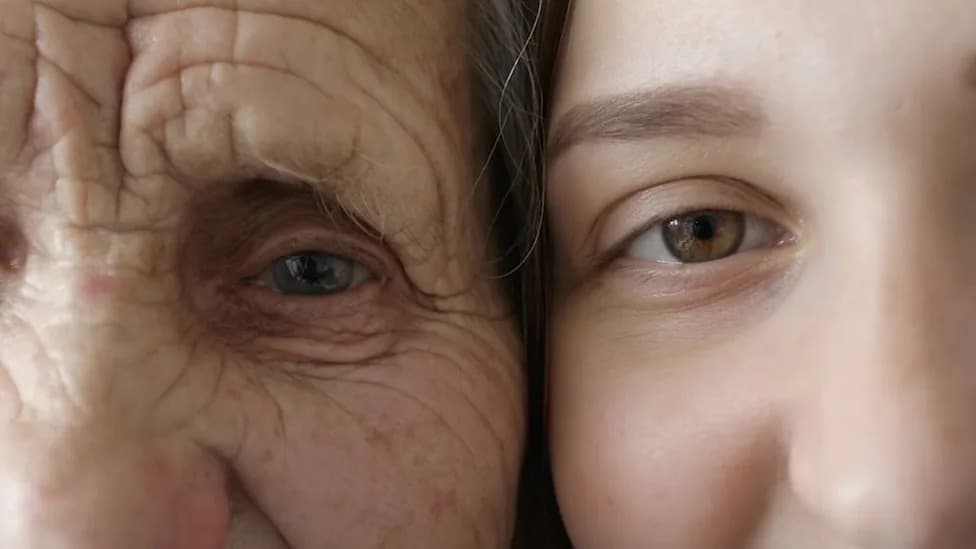
A team of Russian researchers say overcoming our biological limits could stretch human lifespans to 190 years—though immortality remains off the table. . ©Image Credit: Unsplash / Age Cymru
Researchers at the Skolkovo Institute of Science and Technology have used mathematical modelling to show that one unavoidable cellular process—somatic mutation accumulation—sets a strict theoretical ceiling on human lifespan. Even if every other known hallmark of ageing were cured, the model predicts average lifespans would rise substantially but remain finite.
What the Study Modeled
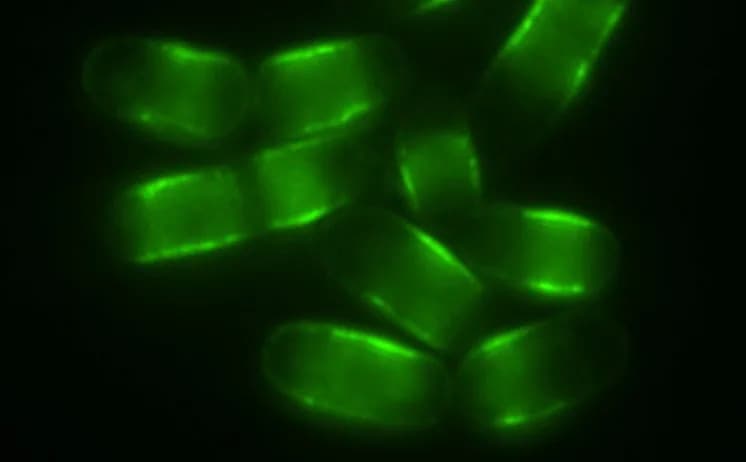
The team, led by Dr. Dmitrii Kriukov, simulated ageing driven solely by somatic mutations: the random DNA copying errors that occur each time a cell divides. Although many such mutations are harmless and cellular repair systems fix many mistakes, errors accumulate across decades. At a critical point they can both increase cancer risk and, independent of cancer, degrade cellular and organ function until tissues fail.

Scientists have mapped out the hard limit of human longevity—and while immortality is out, living to 190 (or even 627) might actually be possible. ©Image Credit: Unsplash / Age Cymru
Key Findings
Projected Lifespan Range: If every other ageing mechanism were eliminated, average human lifespans in the model would move into roughly the 146–194 years range (commonly summarized as ~150–190 years).
Extreme Outliers: Under extremely favorable and unlikely parameter combinations, the model allows for very rare individuals to exceed that range and approach lifespans as long as ~627 years—an improbable statistical extreme rather than an expected outcome.
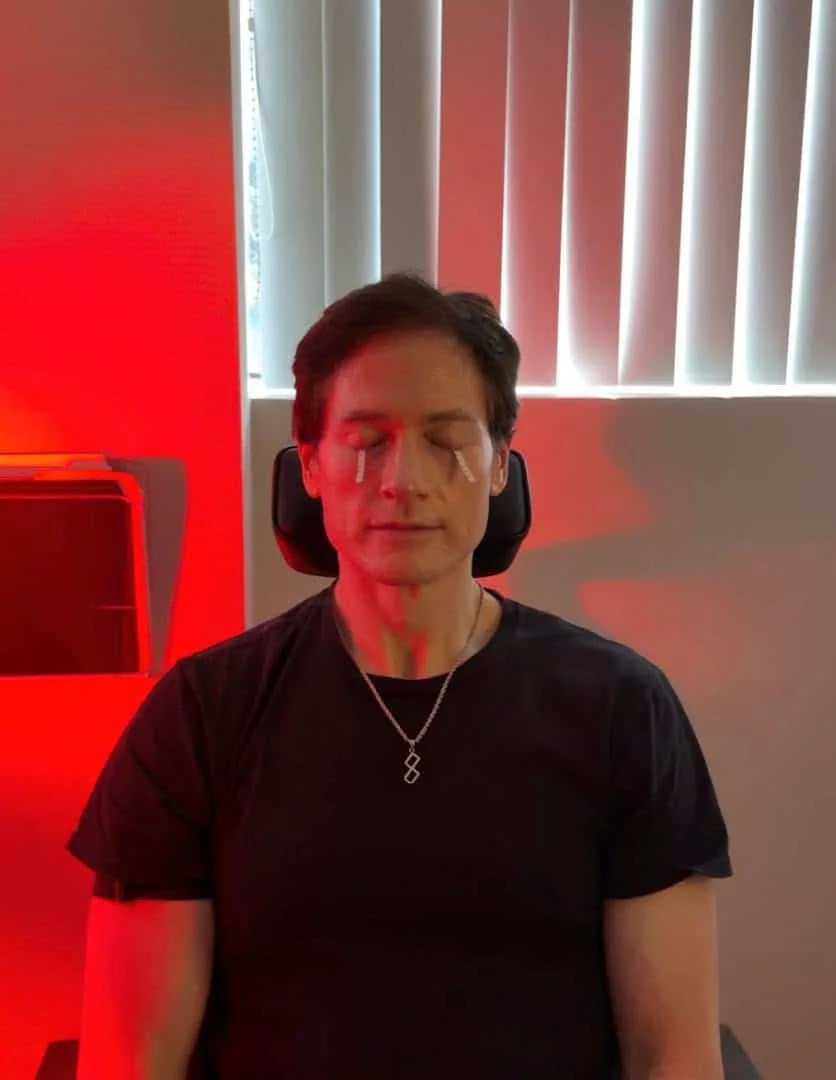
Tech entrepreneur Bryan Johnson spends $2 million a year in his quest to live forever—but new research suggests somatic mutations put a hard cap on human longevity. ©Image Credit: Facebook / Bryan Johnson
"Our model estimates how this process alone affects lifespan by slowly depleting cells across tissues," said Dr. Kriukov, noting that somatic mutations are relatively weak alone but become decisive when other ageing drivers are removed.
Tissue Differences Matter
The researchers emphasize that not all tissues are affected equally. Tissues that continually renew—like skin and liver—can replace damaged cells for long periods and are more resilient to mutation accumulation. By contrast, largely nonrenewing tissues such as the brain and heart steadily accumulate somatic mutations and are especially vulnerable to gradual functional decline.
Implications
The study provides a reality check for extreme longevity and immortality claims: even a hypothetical perfect anti-ageing therapy that neutralised every other ageing mechanism would still face the barrier of somatic mutations. However, the results are practically useful: they suggest anti-ageing research could gain the most by focusing on protecting or replacing cells in irreplaceable tissues (brain and heart), reducing mutation rates, improving DNA repair, or developing safe cell-replacement therapies.
Limitations and Context
This work is a theoretical modelling study and depends on assumptions about mutation rates, repair efficiency, and tissue dynamics. Real-world lifespan will continue to reflect genetics, environment, lifestyle, disease, and medical advances. The model highlights a hard bottleneck in principle, but translating that into clinical strategies will require extensive basic and translational research.
Bottom Line: The model suggests humans could plausibly live well beyond today's averages—perhaps into the late 100s or low 200s—if most ageing mechanisms were solved. Still, somatic mutations create a fundamental, unavoidable limit that makes literal immortality unlikely without ways to prevent, repair, or circumvent mutation-driven tissue decline.
Help us improve.