Sen. Rand Paul released DHS and CBP records showing U.S. border agents intercepted undeclared biological materials linked to a U.S.–China coronavirus research network centered on virologist Fang Li. The files describe requests by Wuhan Institute of Virology scientist Zhengli Shi to move antibodies via a student, an October 2018 offer by a student to send live PEDV to U.S. researcher Ralph Baric, and CBP seizures in November 2018 and June 2021. One courier was traced to China's Academy of Military Medical Sciences and a 2021 stop yielded 132 vials and a laptop.
New Documents: CBP Seized Undeclared Biological Materials Linked to U.S.–China Coronavirus Research Network Before COVID‑19
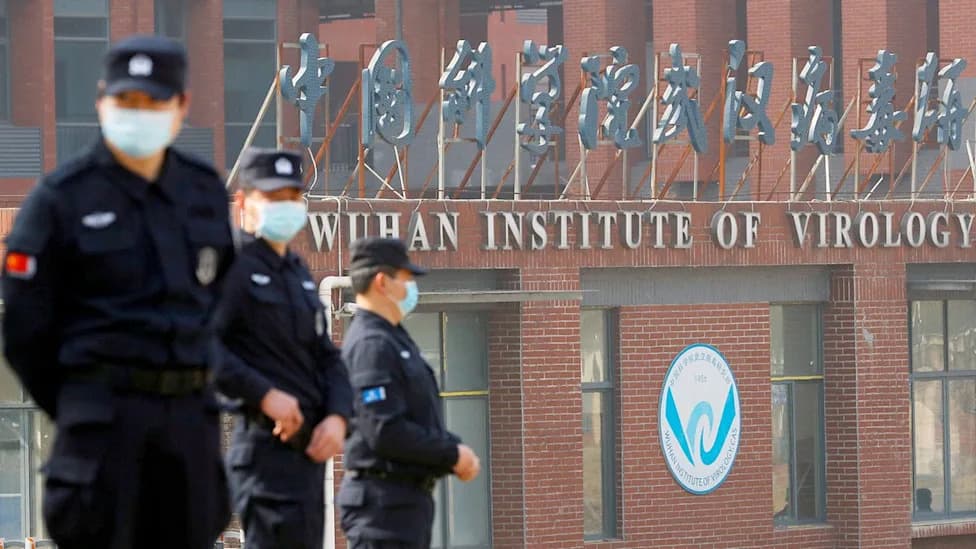
Chinese police patrolling Wuhan Institute of Virology
Sen. Rand Paul (R‑Ky.) has released a batch of internal records, including a Department of Homeland Security intelligence memo, that show U.S. Customs and Border Protection (CBP) intercepted undeclared biological materials tied to a U.S.–China coronavirus research network as early as 2018.
Key Findings From the Documents
The newly released files focus on a research cluster centered on University of Minnesota virologist Fang Li and describe multiple incidents in which biological materials crossed borders without proper declaration. According to the documents, CBP seized materials during stops at Detroit Metropolitan Wayne County Airport in November 2018 and again in June 2021.
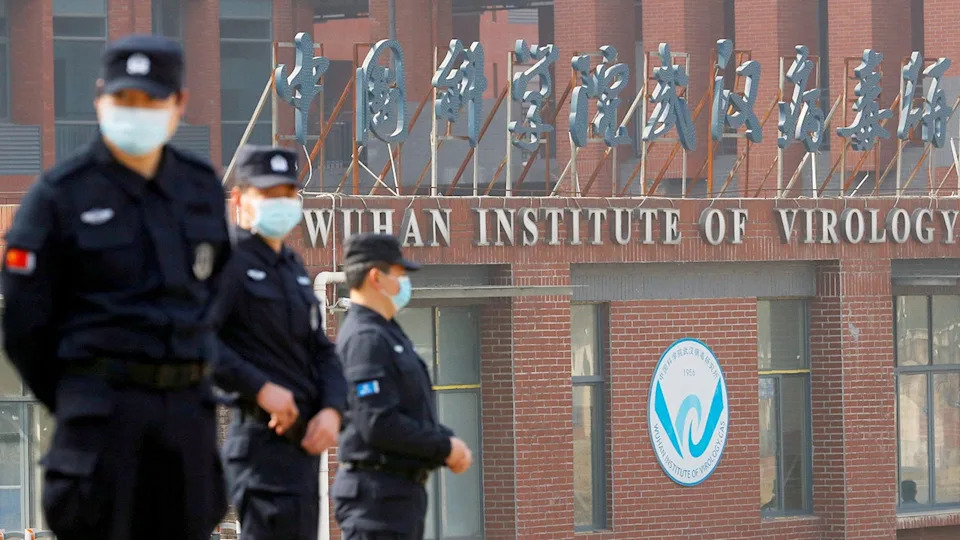
Chinese police patrolling Wuhan Institute of Virology in 2021. On Friday, Sen. Rand Paul, R-Ky., released another batch of documents, the latest describing how border agents intercepted undeclared biological material tied to a US-China coronavirus research network as early as 2018.
Timeline and Details
April 2018: The records say Wuhan Institute of Virology scientist Zhengli Shi asked Fang Li to have a student transport antibodies for SARS research from the United States to China. Li reportedly warned that using a student was unwise given the "current tension between the USA and China" and suggested an alternative shipping arrangement.
October 2018: A student in Li's lab, Qibin Geng, offered to send live porcine epidemic diarrhea virus (PEDV) and a growth protocol to U.S. virologist Ralph Baric, requesting Baric's shipping address. The files note Geng had graduated from an institution affiliated with China's People’s Liberation Army but did not disclose any military service or ties on his visa application.
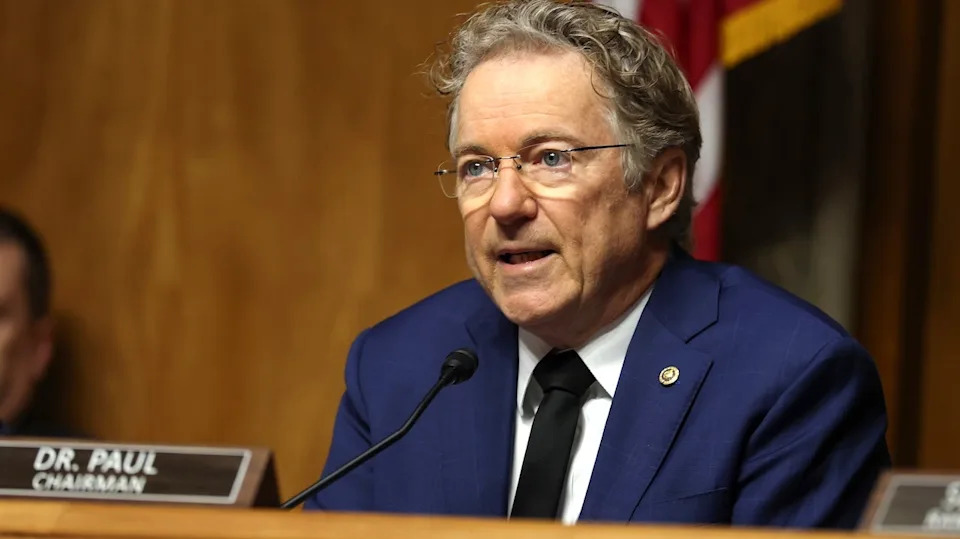
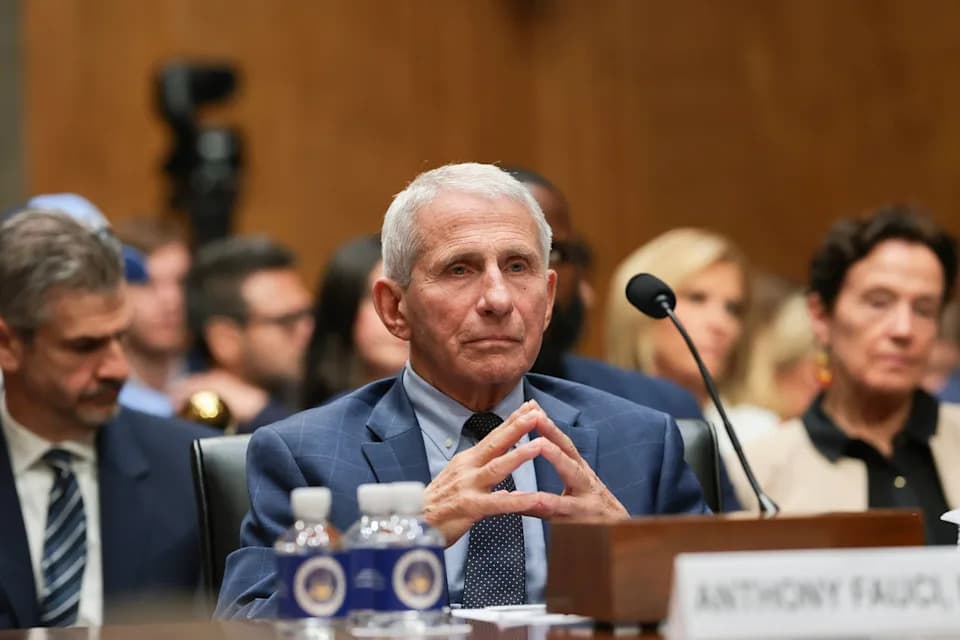
Sen. Rand Paul, R-Ky., seen during a committee hearing.
November 2018: CBP officers intercepted three undeclared vials concealed in paper towels and wax film at Detroit airport. The courier reportedly identified the source as Yusen Zhou of China's Academy of Military Medical Sciences (AMMS).
June 2021: The same courier was stopped again at Detroit; agents recovered 132 vials and a laptop belonging to another individual. CBP assessed that the vials likely contained a species of fly commonly used as a model organism in laboratory research. The courier was also carrying a university‑issued laptop and associated login credentials.
Context and Reactions
The documents state Fang Li's laboratory has received funding from the U.S. National Institutes of Health (NIH). Sen. Paul, chairman of the Senate Homeland Security and Governmental Affairs Committee, published the records in a public archive he calls "The Reading Room." Earlier releases from Paul highlighted private doubts expressed by the authors of the "Proximal Origin" paper and reported that the FBI had halted a planned border inspection of another researcher.
Note: Fox News Digital reported contacting Fang Li for comment; the records themselves are the source for the timeline and detailed claims cited above.
The documents underscore concerns about export controls and biosecurity oversight when biological materials are transferred across international borders. CBP's seizures and the associated intelligence memo raise questions about compliance with declaration and shipping rules in research collaborations.
Help us improve.