The C$6.4bn Gordie Howe International Bridge, built to connect Detroit and Windsor, was meant to symbolize U.S.–Canada cooperation but has become a point of diplomatic tension. Canada will hold a solo opening after President Trump demanded shared control and threatened tariffs. Ottawa agreed to delay the opening and to split half the bridge’s revenues for 15 years with a U.S.-linked fund, prompting domestic criticism and sparking debate over Canada’s negotiating stance. The dispute highlights wider trade frictions and the risk of further U.S. measures.
Gordie Howe Bridge Meant To Symbolize U.S.–Canada Unity — Now a Flashpoint in Trade Tensions
[Dax Melmer / Reuters]
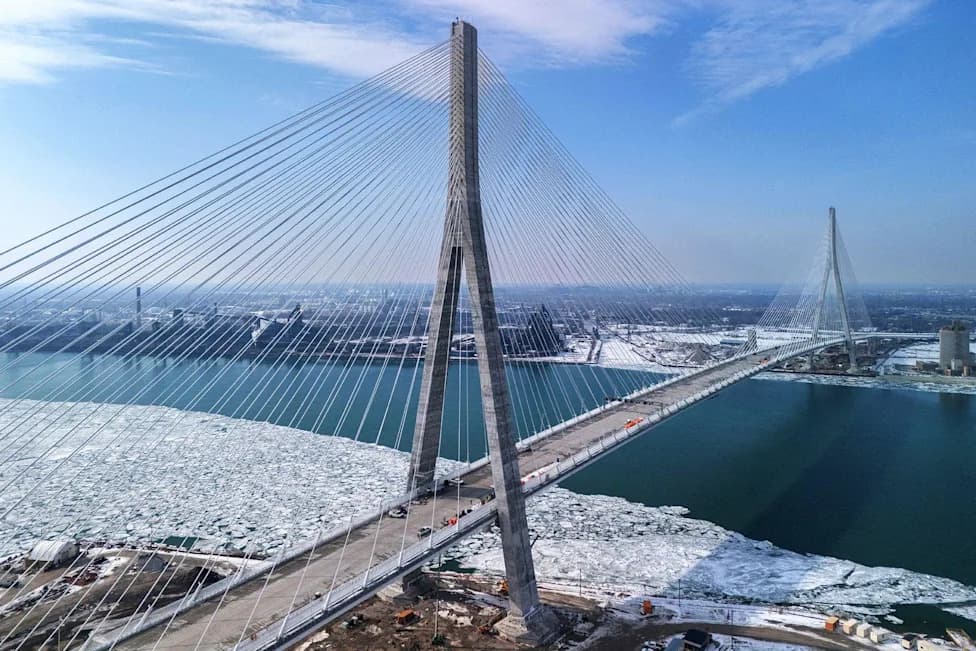
The long-awaited C$6.4bn Gordie Howe International Bridge, built to link Detroit, Michigan, and Windsor, Ontario, was intended as a shared celebration of cross-border cooperation. After eight years of construction and repeated delays, the opening was supposed to underscore the close economic ties between two of North America’s major automotive hubs.
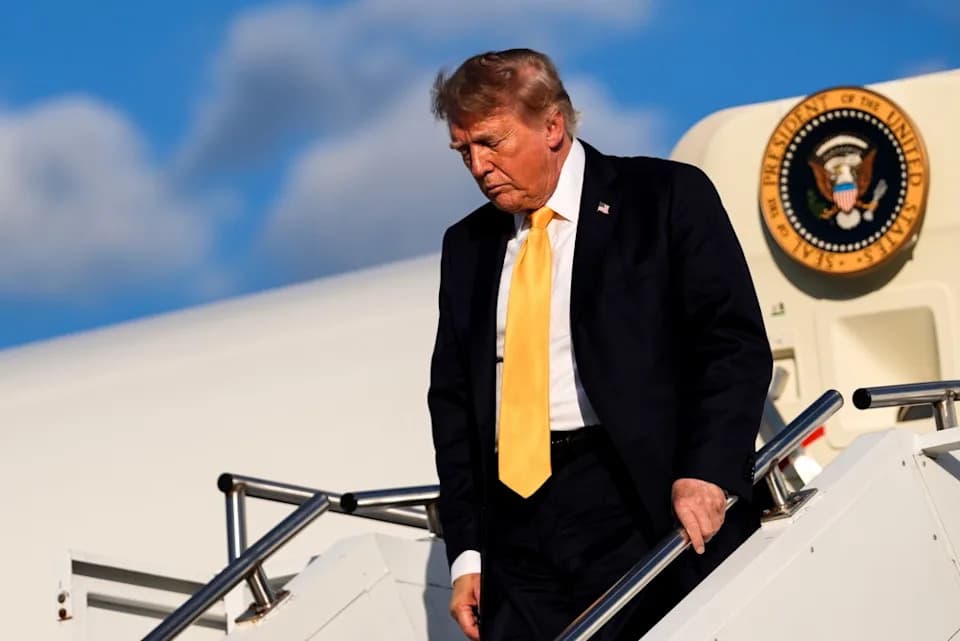
Instead, Canada will hold a solo inauguration after disinviting U.S. officials in response to President Donald Trump’s recent threats to impose tariffs and demands for shared control of the project. What was meant to be a symbol of partnership has become a focal point for broader trade friction between the two countries.
Why the Bridge Matters
The crossing was financed by Ottawa nearly 15 years ago to bypass political resistance in the United States and to relieve a longstanding trade bottleneck. The Windsor–Detroit corridor handles more than C$1bn of goods each day, making the new span vital for supply chains and cross-border commerce.
Dispute Over Ownership and Revenues
Under the original arrangement, Canada agreed that, after recouping its construction costs, toll revenues would be shared with the state of Michigan. Earlier this year, President Trump said he would block the bridge’s opening unless Canada agreed to "share authority" and ownership of the asset. He suggested the U.S. should own "perhaps, at least one half of this asset."
[Bloomberg via Getty Images]
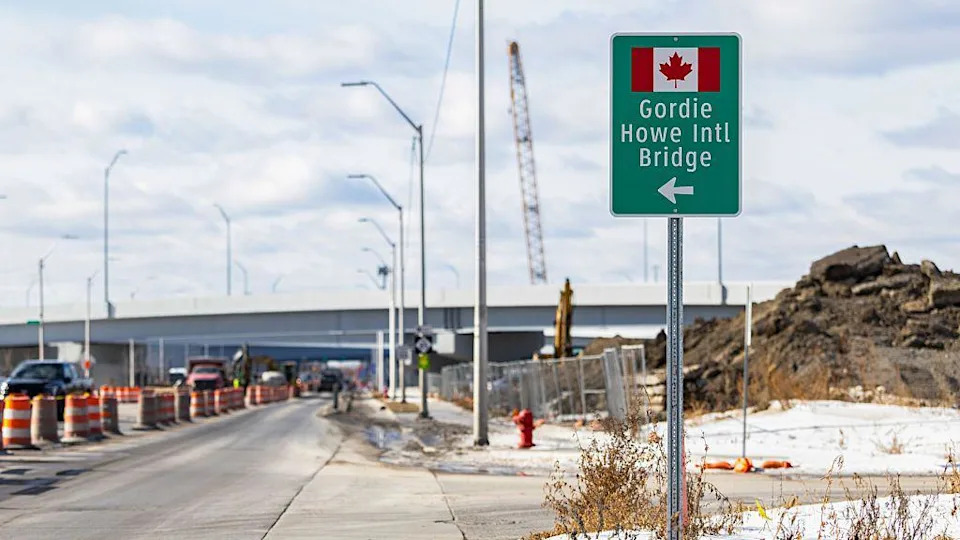
The project also faced longstanding opposition from the Moroun family, owners of the nearby Ambassador Bridge — the busiest commercial border crossing in North America and one of the few major privately owned crossings. Reports have linked Moroun family lobbying to pressure on U.S. officials, contributing to the political backdrop for the dispute.
Concessions, Delays and the New Deal
In June, Ottawa agreed to delay the opening to allow further negotiations. To secure the bridge’s operation, Canada accepted terms that include splitting half of the bridge’s revenues for the next 15 years with an economic development fund reportedly under U.S. control. The White House hailed the arrangement as favorable to the United States.
Prime Minister Justin Trudeau has faced criticism at home for what some opponents call excessive concessions to the U.S. administration. Critics point to other recent compromises, such as shelving a proposed digital services tax and rolling back some retaliatory tariffs, as signs of a softer negotiating stance.
Domestic Reaction and Political Fallout
Voices across Canada are divided. Some provincial leaders and opposition politicians have denounced the concessions and urged a tougher response. Others counsel caution, warning that aggressive retaliation could harm cross-border industries and jobs. Business groups on both sides of the border have urged a quick resolution to keep supply chains functioning.
“This bridge was built at great expense but is essential to keeping supply chains intact,” a trade analyst noted, while critics warned that further concessions would be politically and economically risky.
What’s Next
With the prospect of additional U.S. measures — including reported proposals for steep tariffs on Canadian goods — Ottawa says it is reviewing "all options." How the prime minister balances economic imperatives with domestic political pressure will shape bilateral relations and trade policy in the months ahead.
Help us improve.