Sacramento Mayor Kevin McCarty and Vice Mayor Karina Talamantes were recorded on a hot mic discussing whether disruptive residents could be banned from future City Council meetings after the chamber was cleared during a contentious presentation about federal grant funding for the Central California Intelligence Center. The council approved the motion 5-2. California's Brown Act allows removal or clearing of a meeting for willful disruption but does not authorize long-term bans, a point emphasized by civil-rights groups challenging similar rules in Los Angeles.
Hot Mic Catches Sacramento Mayor and Vice Mayor Discuss Banning Disruptive Council Attendees
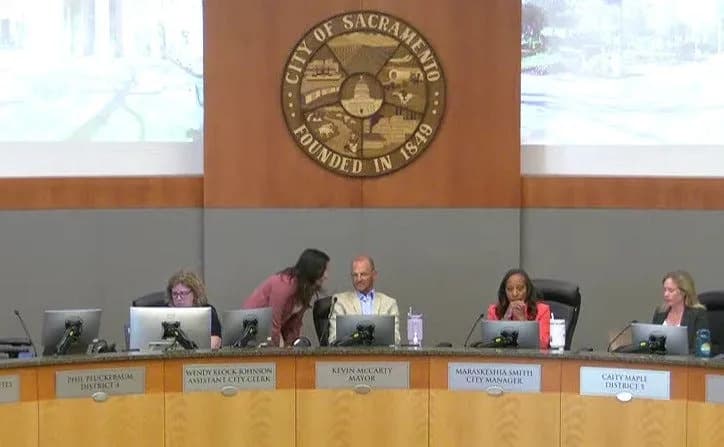
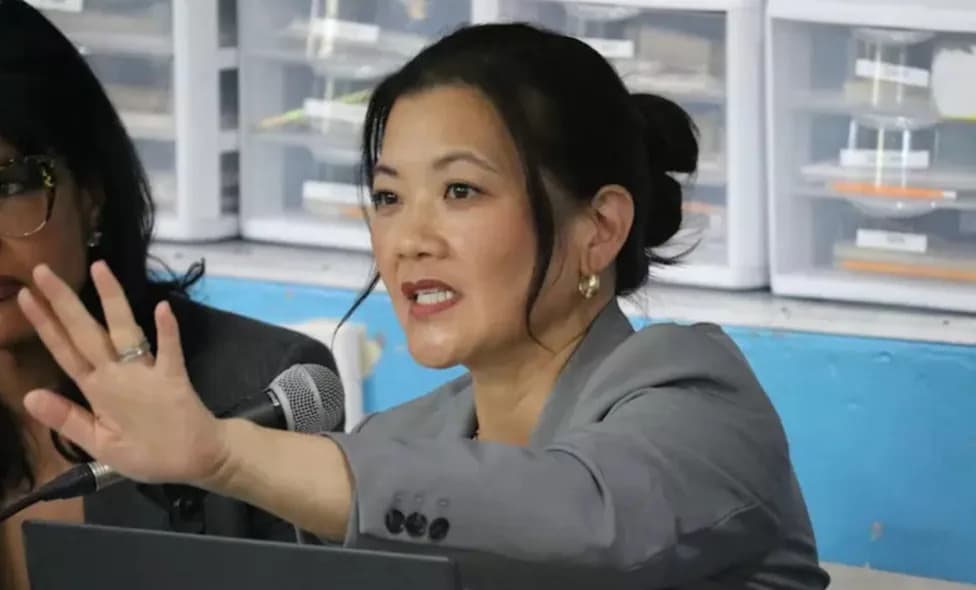
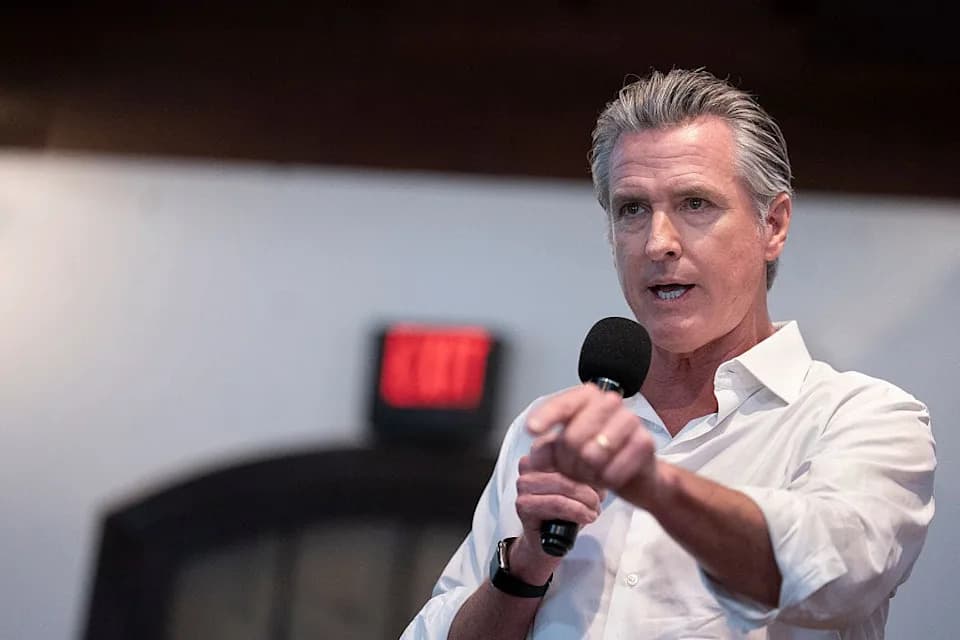
A screenshot from Sacramento's July 22 City Council meeting, as Vice Mayor Karina Talamantes and Mayor Kevin McCarty's discussion gets caught on a hot mic, Wednesday, July 23, 2026, in Sacramento, California.
This article was updated to include new information.
Sacramento Mayor Kevin McCarty and Vice Mayor Karina Talamantes are facing criticism after a hot mic captured them discussing whether certain disruptive attendees could be barred from future City Council meetings.
What Happened
The exchange occurred after McCarty asked the city clerk to clear the council chamber when members of the public repeatedly interrupted while deputies from the Sacramento Police Department and the County Sheriff's Office explained a federal grant to staff the Central California Intelligence Center. After the room was cleared, the council approved the motion by a 5-2 vote.
As the public returned, video shows Talamantes approach McCarty and whisper a discussion that was picked up by a live microphone:
Talamantes: "We should go over this disruptions thing, because if we want to ban somebody in the future, like to actually take them out, we have to point out specifically."
McCarty: "I know, but the City Attorney said we can't do that."
Talamantes: "We did it last time."
McCarty: "We can't. I spent my first six months going over this. I wanted to give people, like, probation, like you can't come."
Talamantes then noticed the mayor's microphone was still on and reached over to switch it off, ending the recording.
Officials' Responses
USA TODAY contacted both offices. McCarty's statement emphasized the pair's responsibility to run transparent, accessible meetings and said that when disruptions are repeated, officials must review policies so meetings remain "effective, orderly, and respectful" while protecting public access and safety. Talamantes told the Sacramento Bee her goal is to ensure productive public participation and called threats against community members and officials' families "unacceptable."
Legal Context
Under California's Brown Act, public agencies must hold open meetings that allow public participation. The law permits removal of individuals who are "willfully" disrupting a meeting and allows clearing the room if removal is insufficient — but these measures historically apply to the meeting at hand, not to imposing long-term bans or "probation" for future attendance.
Civil-rights groups have recently challenged broader exclusion rules. On July 23, the Foundation for Individual Rights and Expression (FIRE) and the First Amendment Coalition sent a letter to the Los Angeles City Council disputing a rule that would ban people from future meetings for using certain prohibited words. FIRE and the coalition argue that banning individuals from future meetings based on past behavior violates both the Brown Act and the First Amendment.
Why This Matters
The exchange raises questions about how local governments balance order and public access. Clearing a room to restore order is allowed under state law, but permanently barring residents from civic meetings risks significant First Amendment and open-government concerns and could invite legal challenges.
Reporting note: This story was originally reported by Noe Padilla for USA TODAY. Contact: [email protected].
Help us improve.