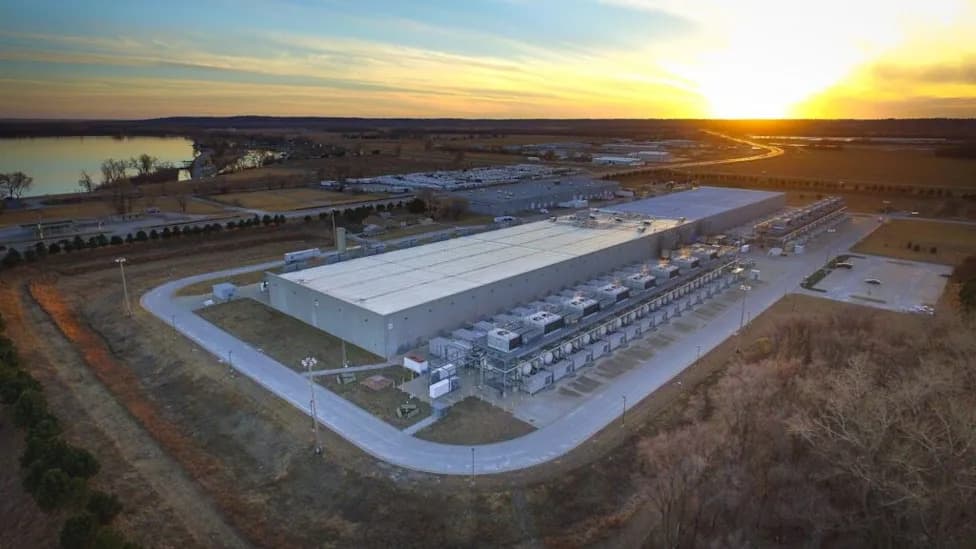
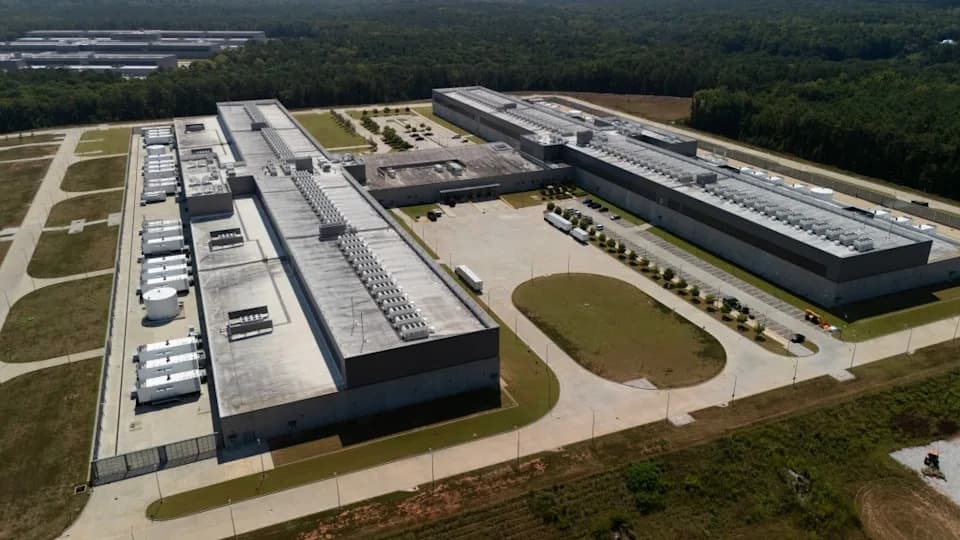
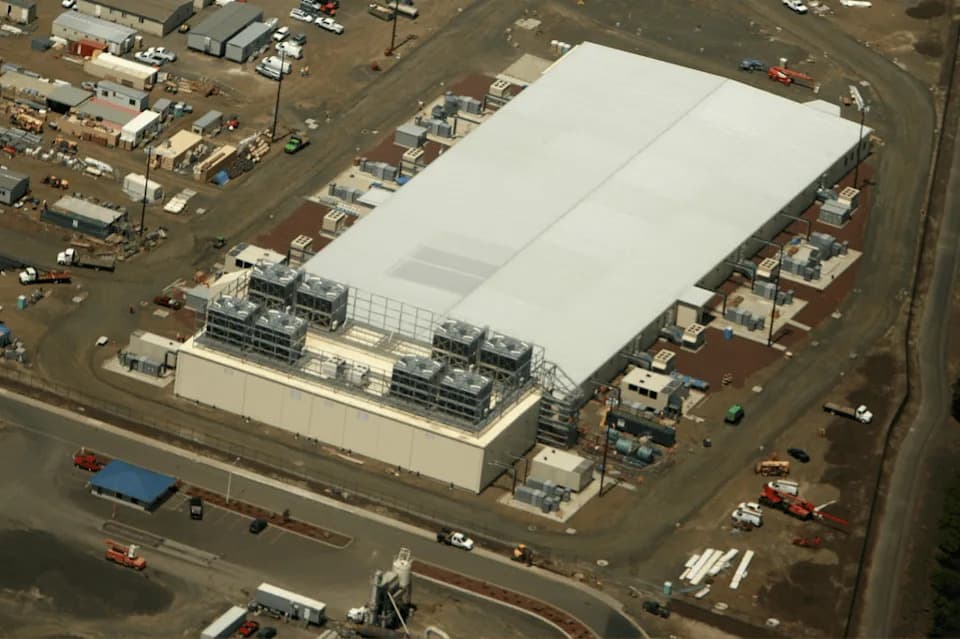
Bloomberg predicts that surging AI demand could push U.S. data centers to consume about 20% of national electricity by 2035, requiring roughly 194 GW of power. The estimate is an 83% increase from Bloomberg’s December forecast and highlights rapid growth in AI computing. Analysts warn regional electric grids are already strained: the current annual grid connection record for data centers is 7.1 GW, and a 19 GW shortfall is projected by 2035 if connection rates hold.
AI Surge Could Push U.S. Data Centers to Consume One-Fifth of National Power by 2035, Bloomberg Says

AI sets up data centers to use 1/5 of US power by 2035: report
Bloomberg research warns that soaring demand for artificial intelligence could drive U.S. data centers to consume roughly 20% of the nation’s electricity by 2035. The analysis projects power requirements for data centers will rise to about 194 gigawatts — roughly the output of 194 conventional nuclear reactors combined.
Rapid Growth Outpaces Prior Forecasts
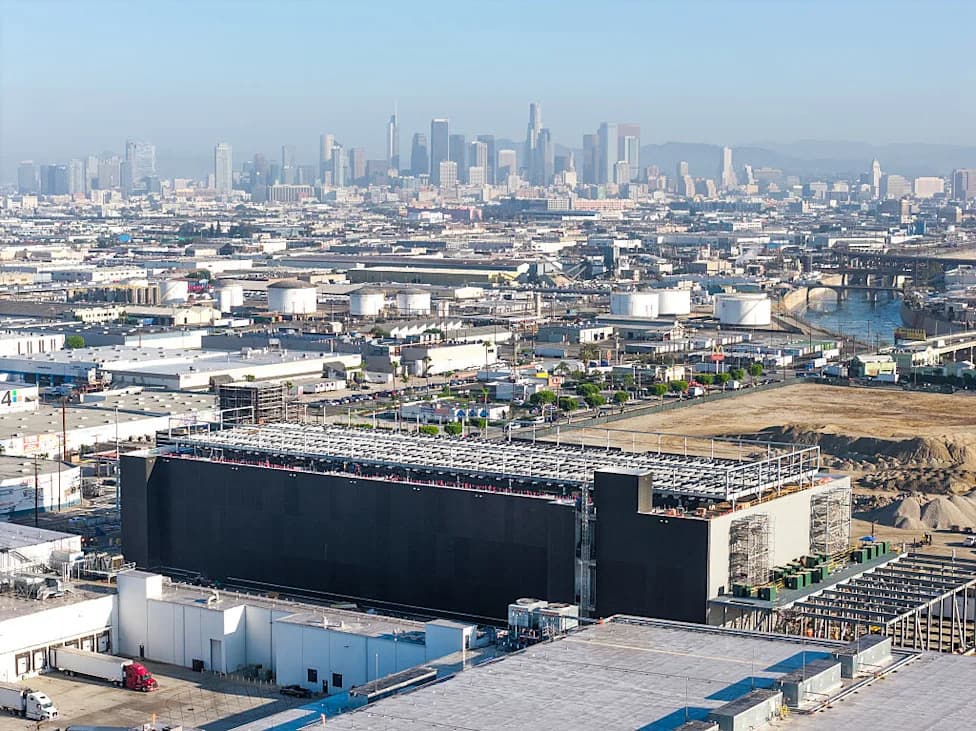
The new estimate represents an 83% increase from Bloomberg’s December forecast, underscoring how quickly AI-related computing needs are expanding. Data centers have also become a flashpoint in state and gubernatorial politics as communities weigh the economic benefits of cloud and AI facilities against environmental and grid impacts.
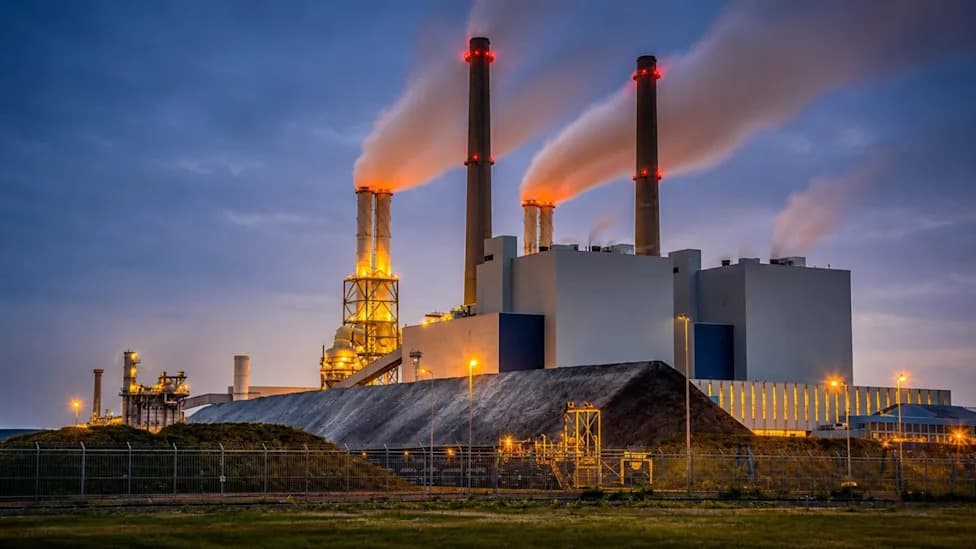
"Every coal plant, every gas plant, every solar farm in the US — one unit of energy out of five generated by them is going to data centers," said Lloyd Arnold, an analyst at BloombergNEF and co-author of the report. "So that's the same energy that's going to be going into powering electric vehicles, powering cities, et cetera."
Grid Strain and a Looming Shortfall
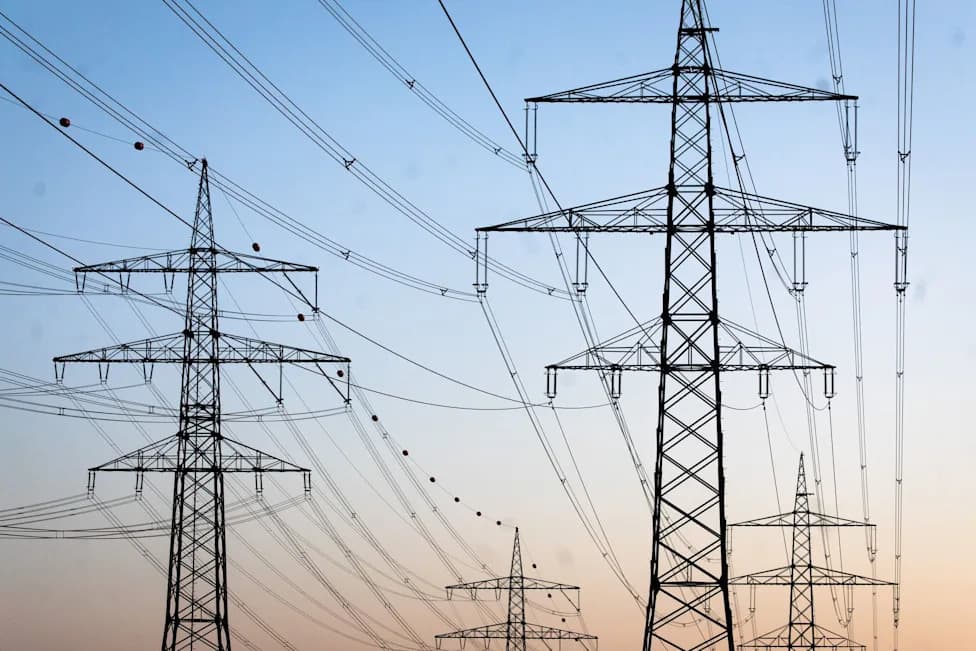
Bloomberg’s analysts say AI demand is already straining regional electric grids and forcing operators and companies to explore alternative arrangements, such as on-site generation, long-term power purchase agreements, and accelerated grid upgrades. Today, the annual record for the amount of data center capacity that can be connected to the grid is 7.1 gigawatts. Even if that connection rate is maintained, analysts estimate a 19-gigawatt shortfall by 2035 relative to projected needs.
Local environmental restrictions and permitting challenges are complicating where and how operators can site and power new facilities. At the same time, federal energy policy debates — including the Department of Energy's moves on fuel and supply issues — could influence future options for power generation and reliability.
What This Means
If the projection holds, policymakers, utilities, and the tech industry will face difficult trade-offs between expanding reliable power supply, meeting climate goals, and accommodating the rapid growth of AI infrastructure. The coming decade will likely see increased investment in grid capacity, negotiations over siting and environmental rules, and innovations in how data centers are powered.
Source: BloombergNEF analysis reported by NewsNation. Copyright 2026 Nexstar Media, Inc.
Help us improve.