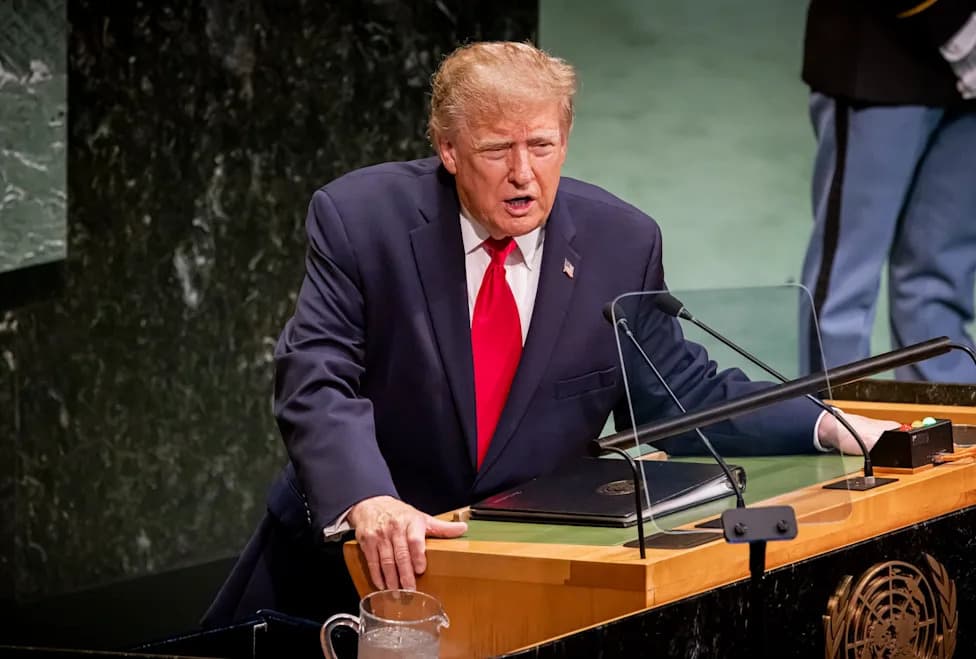
The U.S. war with Iran began with record-low popular support, with just 44% of Americans backing initial operations. Casualties have been relatively limited — fewer than 20 U.S. troops killed in roughly six months — but financial costs are high, estimated at about $2 billion per day, and the Pentagon reports $37.5 billion spent so far with $67 billion requested. Partisan opposition is widespread (91% of Democrats disapprove; 80% of independents disapprove), MAGA support has fallen, and economic fallout — a closed Strait of Hormuz and oil above $90/barrel — is pushing gas prices higher. Public confusion about the war’s purpose appears to be a major factor in its unpopularity.
Iran War Opens With Record-Low Public Support — A Political and Economic Reckoning
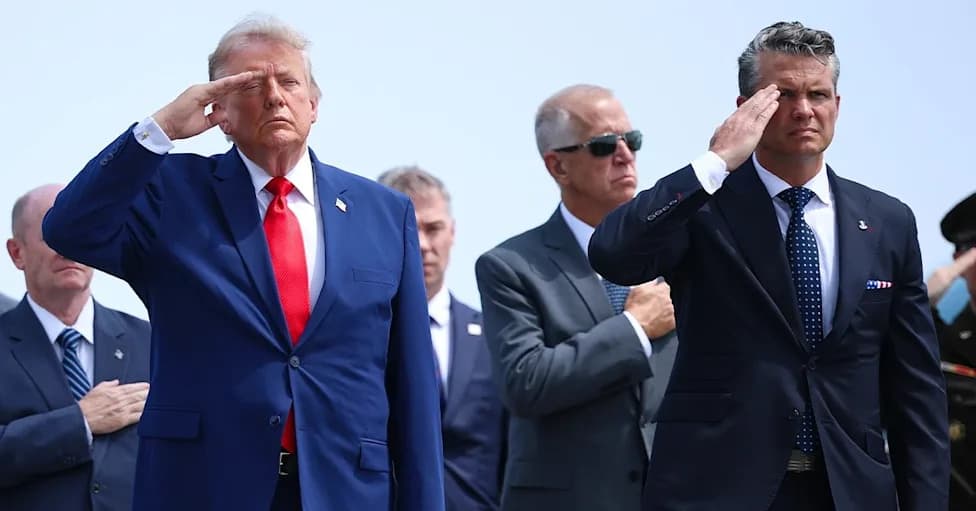
resident Donald Trump (L) and U.S. Secretary of War Pete Hegseth salute during a dignified transfer at Dover Air Force Base July 22, 2026. (Kevin Dietsch/Getty Images) .
The U.S. military campaign against Iran began with historically low public approval, making it arguably the least popular American war at its outset. Polling shows public support has been below water since hostilities began, a notable contrast with past conflicts that often enjoyed an early “honeymoon” of public backing.
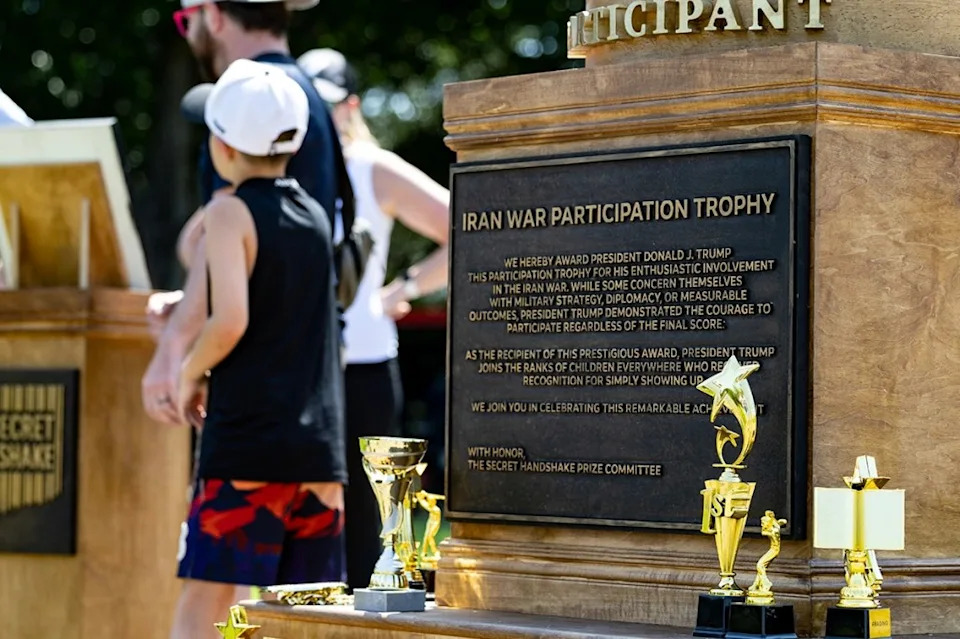
An Iran War Participation Trophy dedicated to President Donald Trump in Washington, DC on July 13, 2026. The plaques invited visitors to leave more participation trophies for the president. (Washington Post via Getty Images)
Public Opinion and Partisan Divide
Only 44% of Americans reportedly supported the war in early polls, even though a related operation — Operation Midnight Hammer in June 2025 — drew higher initial backing (about 58%). Partisan divisions are stark, but opposition has spread beyond typical party lines: an Ipsos poll found 91% of Democratic voters disapproved of how the war is being handled, and 80% of independents also disapproved. While most Republican voters still favor military measures, support among President Donald Trump's MAGA base has slipped roughly 13 points in two months, with about one in five MAGA voters saying the U.S. should end the war immediately regardless of the cost.
iran war unpopular trump dignified transfer getty
Casualties, Costs, and Requests for More Funding
By many measures the campaign has produced limited U.S. combat deaths: in roughly six months the United States has suffered fewer than 20 troops killed in action, with potentially hundreds more wounded and billions in equipment losses. Still, those comparatively low casualty figures have not generated broad public support.
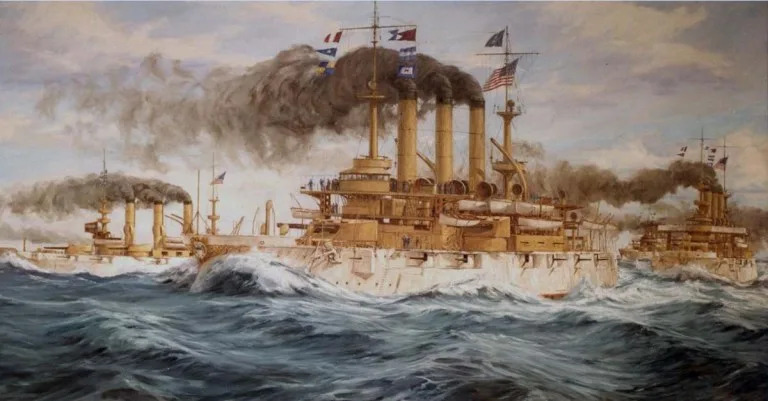
Great White Fleet
Financially, the operation is expensive: estimates put the cost at about $2 billion per day. The Department of Defense reports $37.5 billion spent so far and has requested an additional $67 billion to continue operations. Those figures come as many Americans face rising consumer prices and contend that resources should be prioritized for domestic needs.
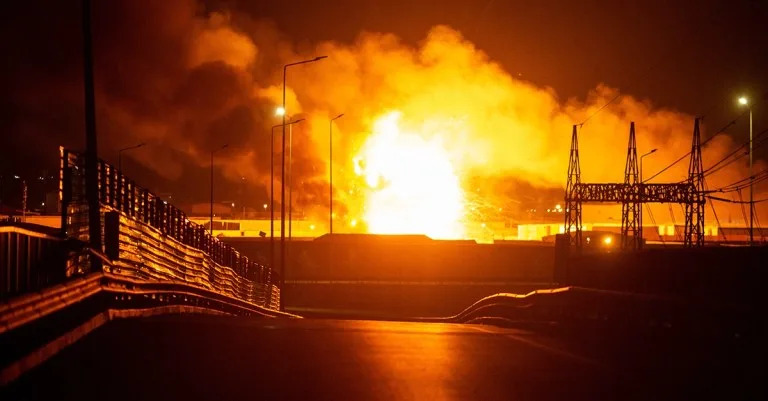
Fire breaks out near Erbil International Airport in Erbil on March 1, 2026, after loud explosions were heard overnight at the site that hosts U.S.-led coalition troops in Iraq's Kurdistan region. SS7 Iran
Economic and Strategic Consequences
The conflict has immediate international and economic effects. The Strait of Hormuz — a critical global oil chokepoint — remains closed, sending oil prices above $90 a barrel and pushing national pump prices above $4.00 per gallon in many areas, levels not seen since the COVID-19 pandemic period. With no clear exit strategy visible, these costs could persist and further strain household budgets.
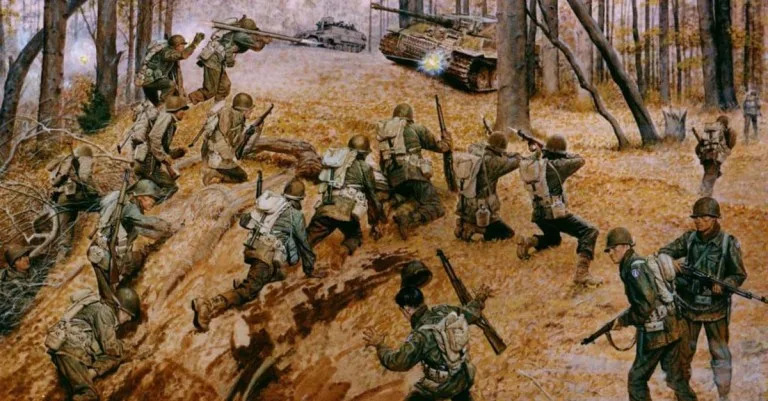
442nd Regimental Combat Team
Why So Unpopular?
Perhaps the most consequential driver of low support is public confusion about the war’s purpose. Large segments of the population report they do not understand why the United States is engaged in sustained military action against Iran. Lack of a clear, widely communicated strategic rationale appears to be a key factor in the unusually weak backing.
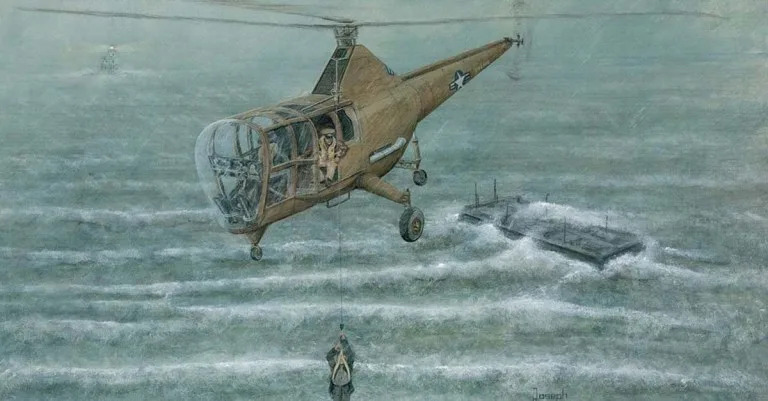
First helicopter hoist rescue
Public Criticism in Symbolic Form: In July 2026 a Washington, DC, installation dubbed an “Iran War Participation Trophy” — a satirical display referencing President Trump — drew attention as an expression of public criticism and frustration over the conflict.
Implications: Low popular support complicates political backing for a prolonged campaign and raises pressure on civilian leaders and military planners. Policymakers face the twin tasks of clarifying objectives and answering persistent concerns about costs, strategy, and domestic priorities — while leaders must consider troop welfare and morale amid contentious public opinion.
Help us improve.