New City Hall and Met Police data show neighbourhood crime in London fell 15% in the year to June 2026, driven mainly by drops in theft, personal robbery and burglary. Westminster accounted for almost 40% of the reduction, with phone thefts in the West End halving after intensified patrols and a major operation that prevented about 13,000 phone thefts. The neighbourhood dataset covers roughly 22% of offences; business robbery rose 19.5% and several major crime categories are excluded. The Met credits targeted policing and technology but warns of staffing shortages and long court backlogs.
London Sees 15% Fall In Neighbourhood Crime — Phone Thefts Halved In West End
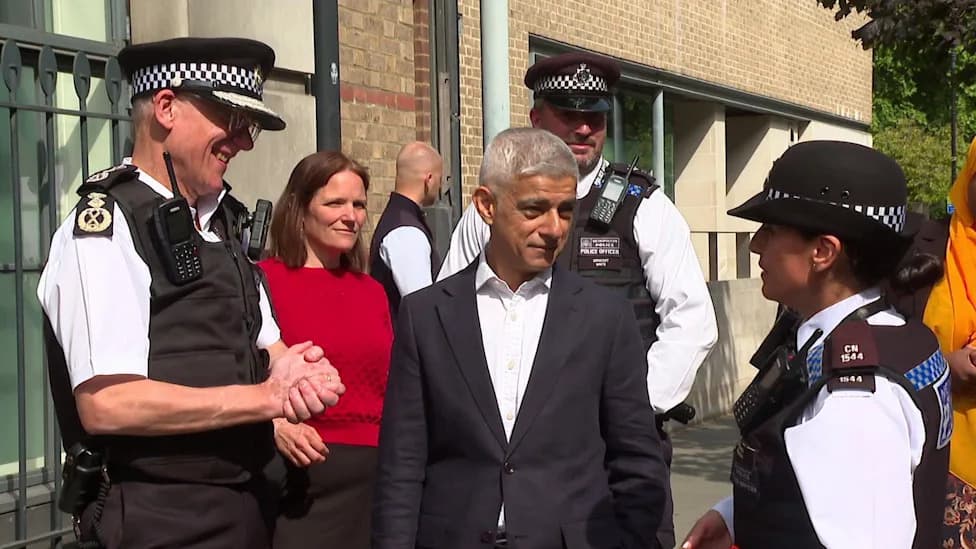
Sir Sadiq Khan and Met Commissioner Sir Mark Rowley in Camden [BBC]
New figures from City Hall and the Metropolitan Police show neighbourhood crime in London fell by 15% in the 12 months to June 2026. The neighbourhood policing dataset recorded more than 35,000 fewer offences across the capital, with the biggest reductions concentrated in central areas.
Central London Leads The Drop: Westminster accounted for almost 40% of the overall reduction, reporting a fall of more than a third — nearly 14,000 fewer neighbourhood offences over the year. When Westminster is removed, neighbourhood crime across the rest of London still fell, but by a smaller 10.8%.
What Fell — And By How Much: The decline was driven largely by reductions in theft, personal robbery and burglary. Key changes in the neighbourhood dataset include a 23% fall in theft from the person (about 23,311 fewer offences), an 11% drop in personal robbery and a 9% fall in vehicle crime.
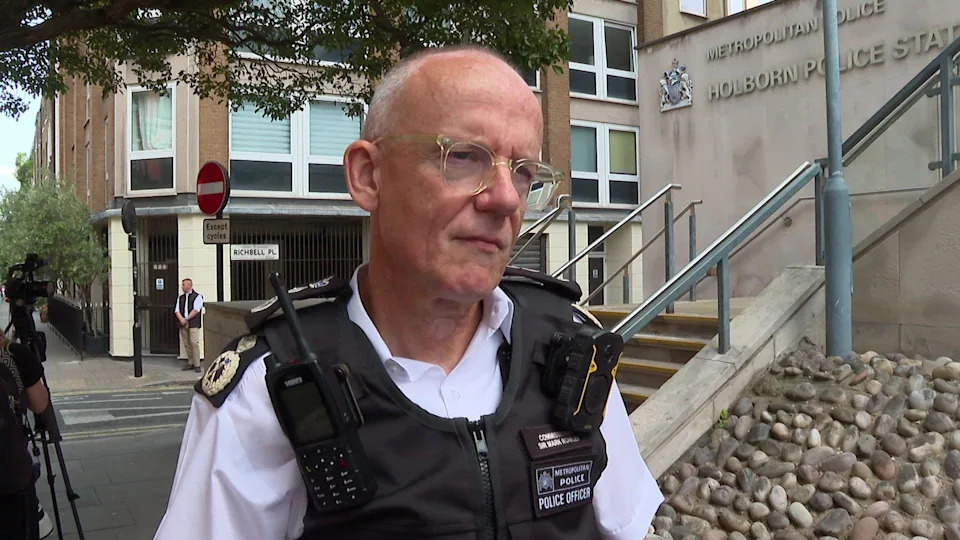
Met Commissioner Sir Mark Rowley said he was pleased with the results [BBC]
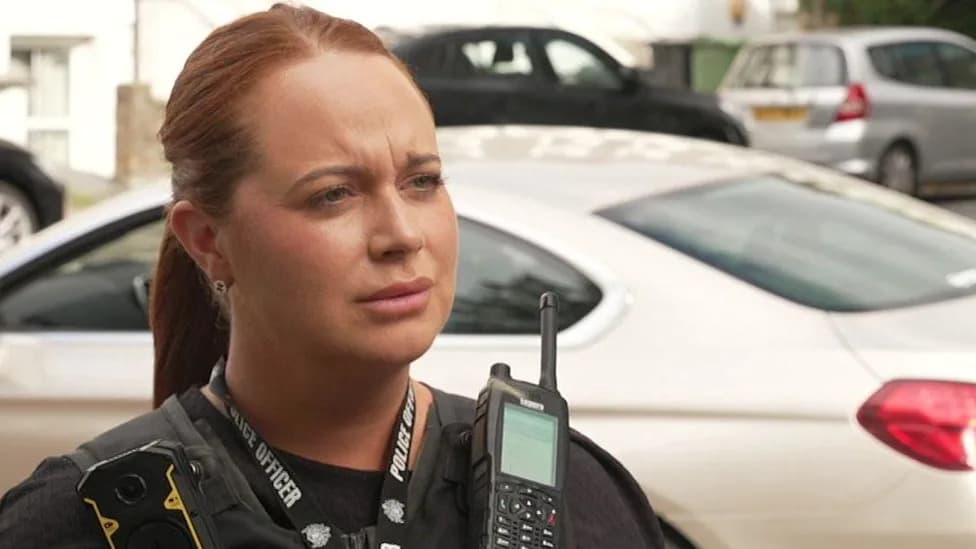
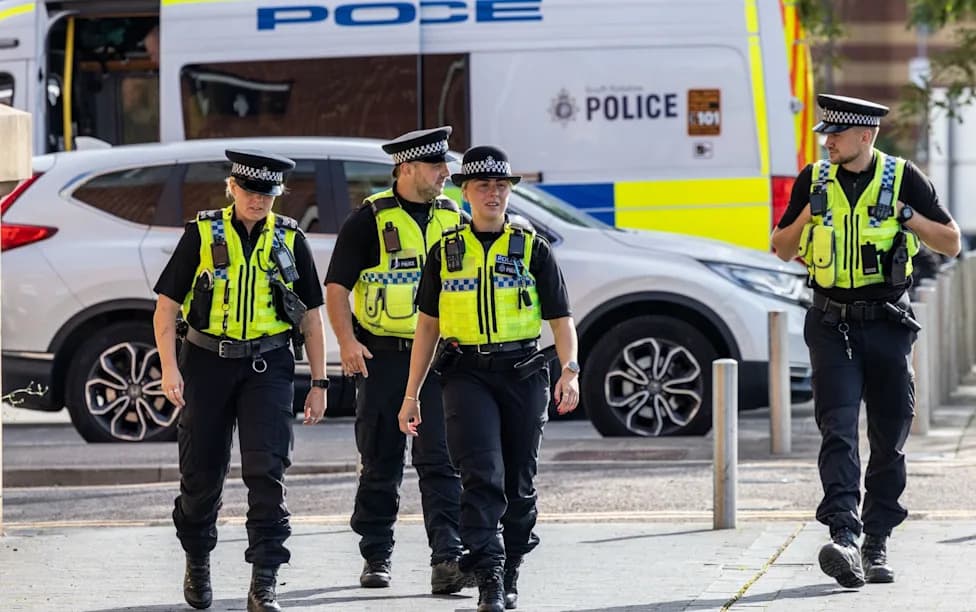
Targeted Policing And Technology: The Met credits targeted operations, increased patrols in the West End and new technology for the improvements. Police say phone thefts in the West End have halved after a major crackdown and a doubling of patrols, and that their largest-ever operation against phone thefts resulted in around 13,000 fewer stolen mobile phones. The Met also highlights tools such as live facial recognition cameras, drones and high-powered e-bikes as increasingly important in identifying suspects and preventing crime.
Enforcement Outcomes: The force reports arresting roughly 1,000 suspects each month and seizing knives, drugs, illegal e-bikes, stolen phones and other suspected stolen property.
Borough-Level Picture Is Mixed: Only eight of London’s 32 boroughs achieved or exceeded the headline 15% reduction; the typical borough saw an 8.9% fall. Some areas saw increases in neighbourhood crime — Newham rose by about 3% and Kingston by about 2%.
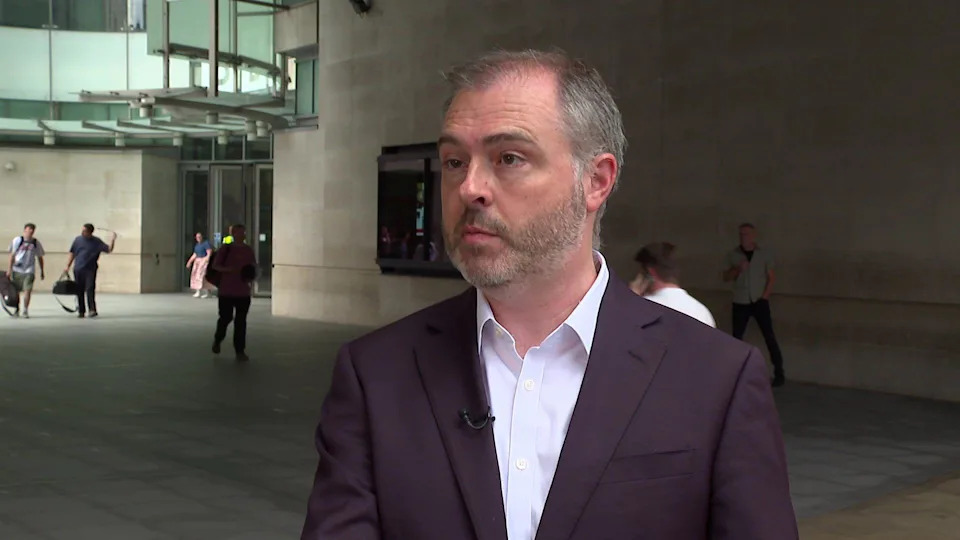
Neil Garratt, Conservative London Assembly Member for Croydon and Sutton [BBC]
Important Limits To The Data: The neighbourhood dataset covers roughly 22% of all recorded offences and includes burglary, robbery, vehicle crime and theft from the person. It explicitly excludes major categories such as violence against the person, sexual offences, fraud, drug offences and weapons offences. It also does not include shoplifting; business robbery, which is excluded from the neighbourhood measure, rose sharply by 19.5% over the year according to the Met’s crime dashboard.
"We have momentum which we're not going to give up on," Met Commissioner Sir Mark Rowley told the BBC, while also warning of pressures on policing and the justice system. "I don't like running a police force that's 3,300 smaller than it was three years ago... I'm really, really troubled and concerned by the fragility of the justice system at the moment."
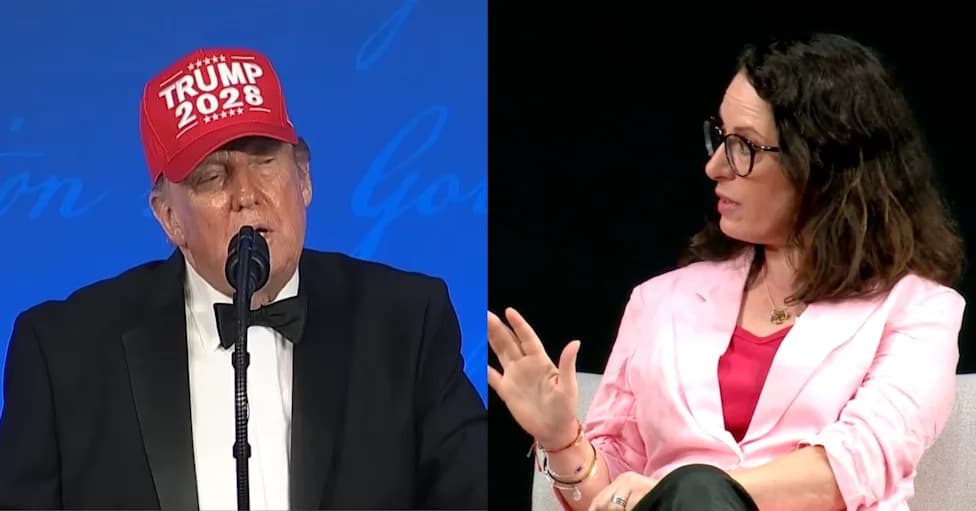
Opposition Conservatives urged caution, noting this one-year improvement should be weighed against a longer-term rise in thefts in London. Neil Garratt, a Conservative London Assembly member, said that before recent policing action London experienced a sharp phone-snatching epidemic. The government says it is working on reforms intended to speed up the justice system.
What To Watch Next: Whether reductions hold across a broader range of crime categories, whether boroughs with smaller improvements sustain momentum, and whether planned justice reforms reduce court backlogs that Sir Mark says currently place some trials as far out as 2030.
Help us improve.