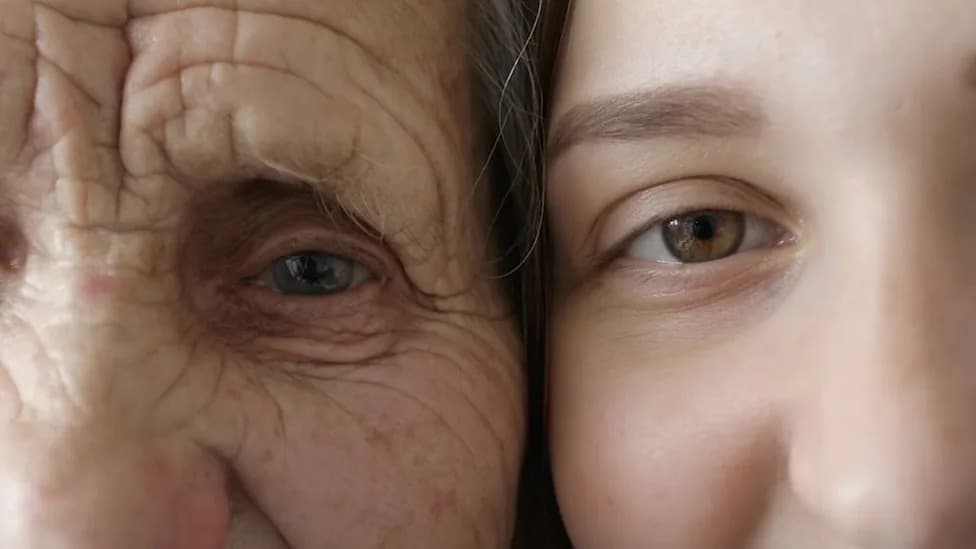
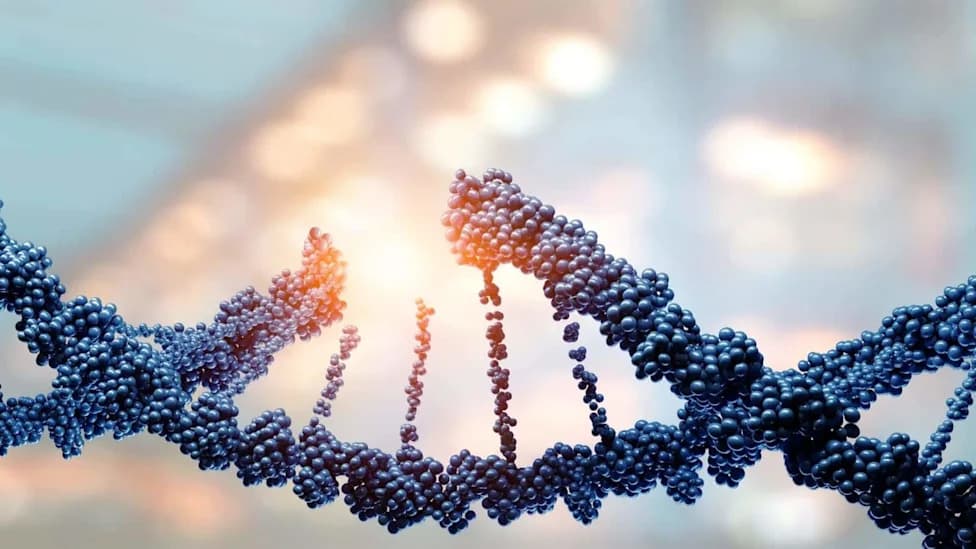
The study uses a mathematical organ-by-organ model to explore a best-case scenario where all reversible hallmarks of ageing except somatic mutations are eliminated. It estimates a median human lifespan of 146–194 years, about twice today’s global median of ~79 years. The brain and heart are the most vulnerable tissues because their critical cells rarely renew, while the liver appears more resilient. Authors stress the results are theoretical and depend on modelling assumptions.
Even If Ageing Were Cured, Humans May Still Be Limited To About 200 Years, Study Finds
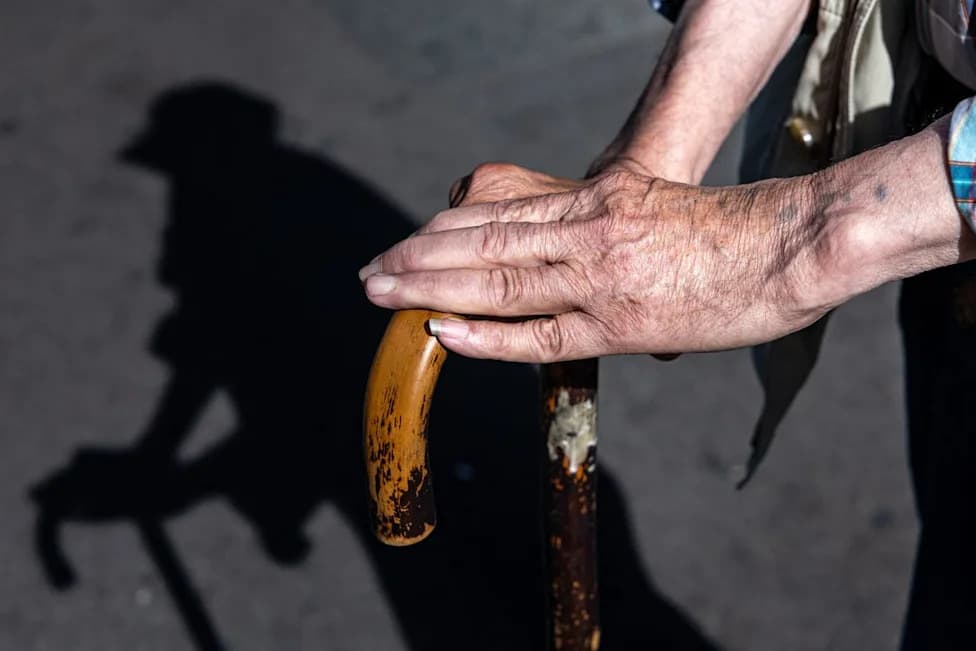
Scientists reveal maximum age humans could live to if we can cure ageing
A new mathematical analysis suggests that even if future medicine could reverse most reversible hallmarks of ageing, humans might still have an upper lifespan limit of roughly 146–194 years. Researchers in Russia modelled an idealised scenario in which every major contributor to ageing except for somatic (DNA) mutations was removed, then simulated how different organs deteriorate as those mutations accumulate.
Somatic mutations build up over a lifetime as cells divide or sustain damage from metabolism and environmental exposures. Because some tissues replace cells frequently while others do not, the simulations reveal striking variation in organ vulnerability.
Hands of an elderly man (AFP via Getty)
"We developed an incremental modelling framework that progressively incorporates factors contributing to ageing into a model of population survival dynamics, which we used to estimate lifespan limits if all ageing hallmarks were eliminated except somatic mutations," the authors write in NPJ Ageing.
Key findings: Organs whose critical cells rarely divide after birth — notably the brain and heart — are most vulnerable to mutation-driven decline because damaged cells are difficult or impossible to replace. By contrast, organs such as the liver, which continually renew worn-out cells, appear far more resilient in the model.
When organ-specific simulations were combined into a whole-body model, the team estimated a median lifespan of 146 to 194 years in the scenario limited only by somatic mutations. That range is roughly twice the current global median life expectancy of about 79 years. The authors interpret this roughly two-fold gap as evidence that other ageing hallmarks likely contribute at least as much to lifespan limitation as somatic mutations do.

Anti-aging and facial sun protection cream for sensitive skin (AFP via Getty)
Caveats: The researchers emphasize that these results are theoretical and depend strongly on modelling assumptions about how organs interact and fail. The study is a conceptual, simulation-based effort rather than an experimental demonstration. The authors propose that incorporating additional ageing mechanisms into similar frameworks could help build a more comprehensive, mechanistic theory of ageing.
Overall, the analysis highlights that DNA damage and somatic mutations would remain a major barrier even if many other ageing processes could be corrected, and it provides a quantitative starting point for comparing how different ageing mechanisms limit human lifespan.
Help us improve.