Two accidental deaths in Cumbria during Farm Safety Week — a 26-year-old crushed by a tractor with a faulty handbrake and a 65-year-old who died after being trapped under an overturned quad bike — have sharpened focus on farm safety. NFU leaders warn staffing pressures and isolation raise risks, while coroners and charities stress prevention. HSE statistics and Farm Safety Foundation figures underline the high death rates in agriculture, and measures from technology to education aim to reduce harm.
Farm Safety Spotlight: Two Accidental Deaths in Cumbria Highlight Risks and Calls for Change
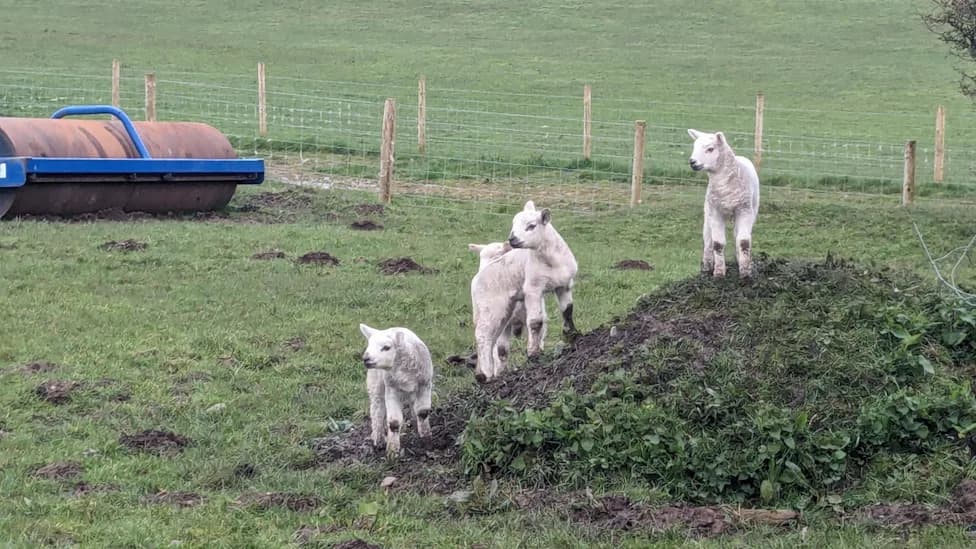
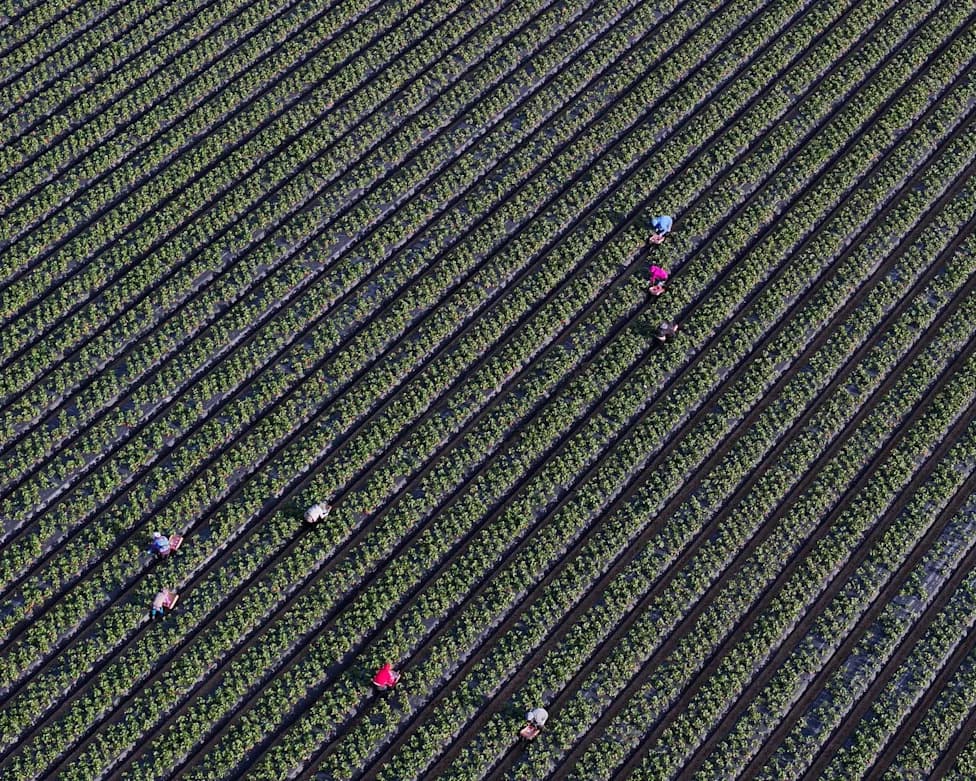
Farming has the highest death rate at work of any other industry in the country [BBC]
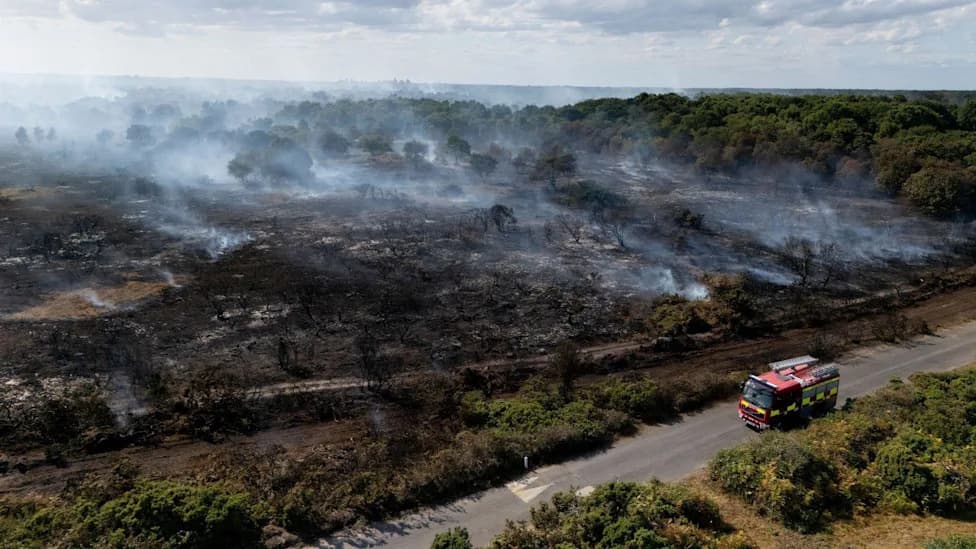
Remote locations, lone working, extreme weather, heavy machinery and large animals make farming one of the UK's most hazardous industries. Two recent inquests held during Farm Safety Week have underlined how quickly routine tasks can turn fatal.

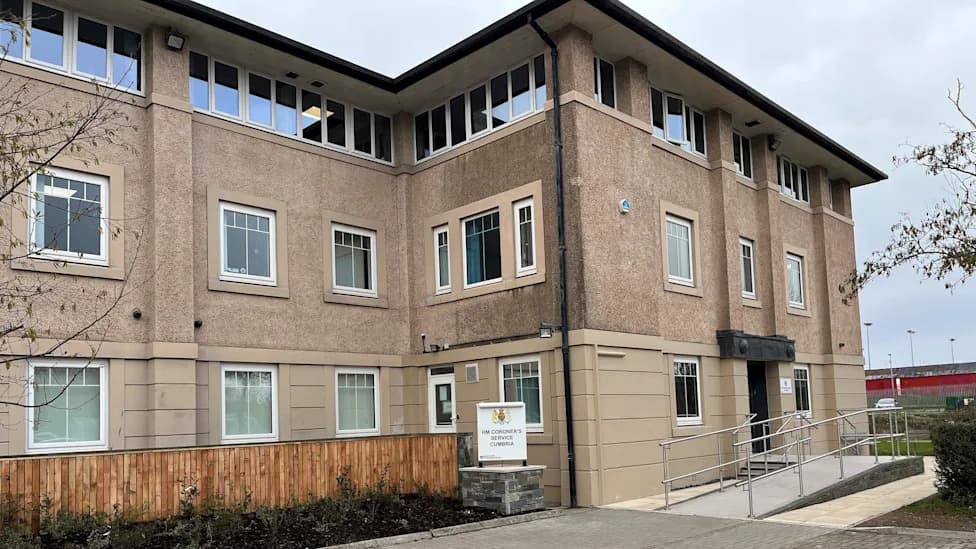
Daniel David Sowerby's death resulted from a faulty handbrake on a tractor [Cumbria Police]
At Newlands Farm in Wigton, 26-year-old Daniel David Sowerby was fatally crushed when a tractor with a faulty handbrake rolled back and pinned him against a barn wall. The coroner recorded the death as accidental and paid tribute to the difficult and demanding nature of agricultural work.
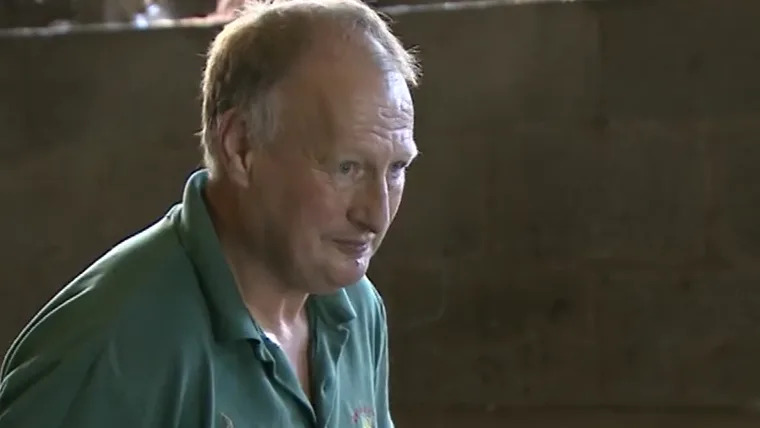
Poultry farmer David Knipe died after he was trapped under his quad bike in sub-zero temperatures in December 2024 [BBC]
Days earlier, an inquest into the death of 65-year-old poultry farmer David Charles Knipe of Tebay concluded he died of hypothermia after being trapped beneath an overturned quad bike in December 2024. Mr Knipe was found about 16 hours later at Heart Wood, a rural site visible from the M6. His family told the court that newer quad bikes can include automatic alert features that notify a third party if the vehicle overturns.
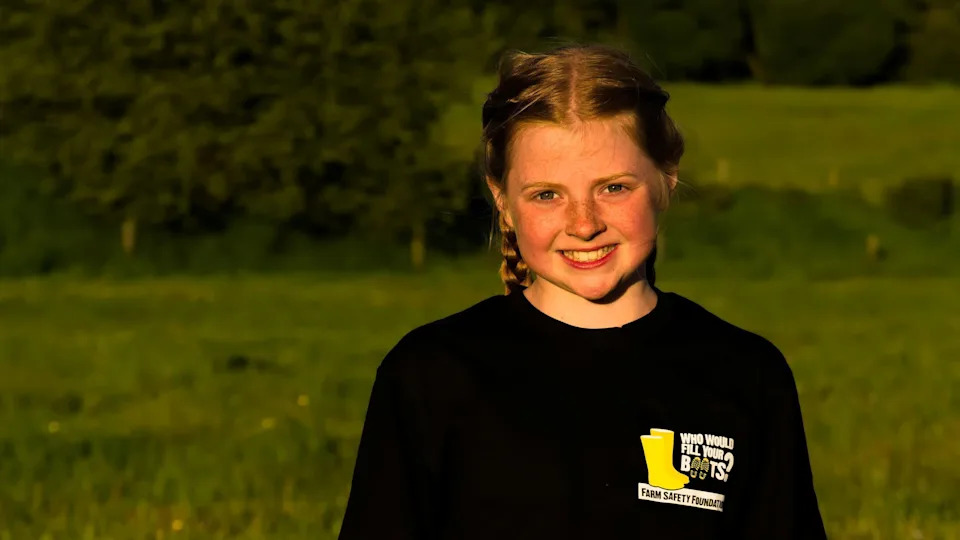
Erin, aged 11, has created an illustrated book about farm safety [Costas Andreou]
"Farming is such a difficult job and we all owe so much to the people who produce our food," the coroner observed at Sowerby's hearing, urging those who work on farms to take care of themselves.
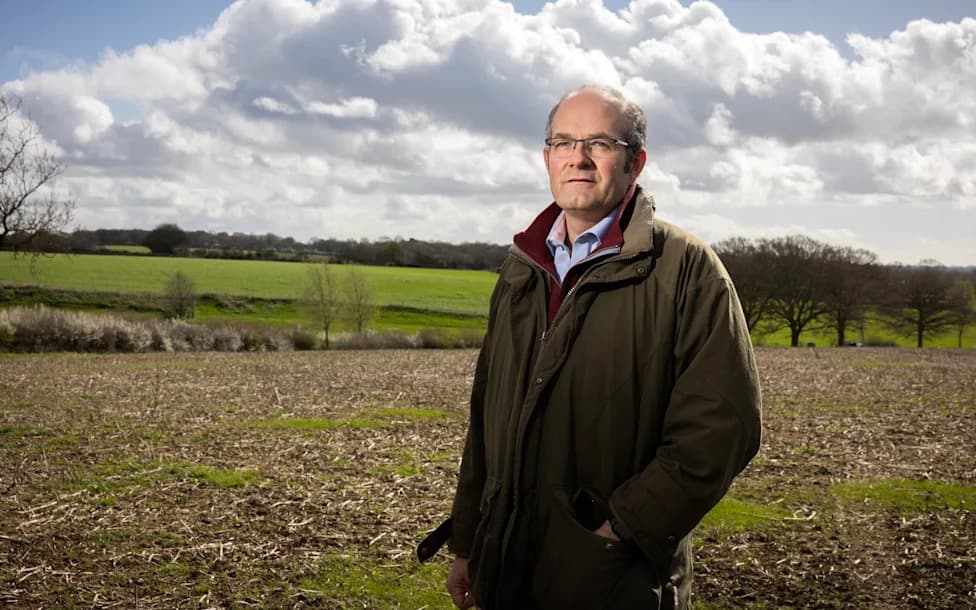
Richard Pedley, chair of Cumbria's National Farmers' Union and a sheep and beef farmer near Kirkby Lonsdale, said staffing pressures and isolation increase the likelihood of accidents. "Accidents can be avoided, but a lot of the trouble is farmers are under pressure, possibly short-staffed," he said. "It just takes less than a second to have an accident." The NFU recently ran an event on spotting hazards that Pedley described as "a good eye opener."
Statistical data underline the scale of the problem. Over the past five years agriculture, forestry and fishing have recorded the highest work-related death rates, according to the Health and Safety Executive (HSE). The Farm Safety Foundation reports workers in these sectors are seven times more likely to be killed on the job, and the HSE recorded 22 such deaths in the last financial year.
Efforts to reduce harm range from practical safety briefings and better maintenance to technology and education. Families and charities point to rollover-alert systems on newer quad bikes and other telematics as potentially lifesaving. Meanwhile grassroots initiatives — including an illustrated safety book by 11-year-old Erin Thompson from Lamplugh, The Girl in the Yellow Wellies — aim to shift a "won't happen to me" mindset across generations.
Coroner Robert Cohen, who presided over Sowerby's inquest, reiterated that farming is "by definition a dangerous and difficult task" and urged farm workers to remain vigilant, particularly during Farm Safety Week. The recent tragedies have renewed calls for a layered approach to prevention: proper equipment maintenance, adoption of safety technology, clearer hazard awareness and cultural change across the sector.
Help us improve.