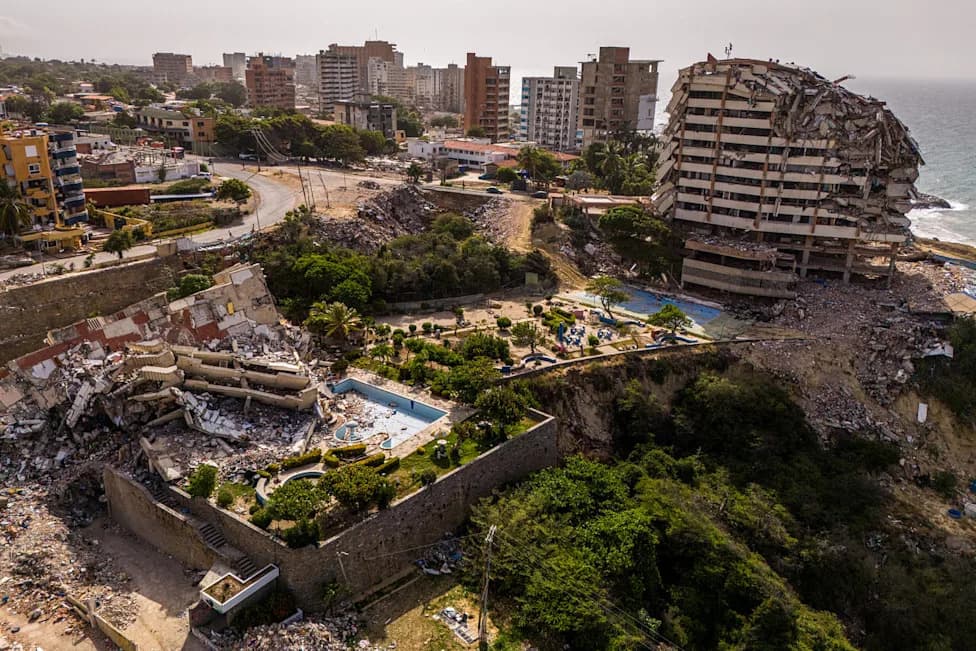
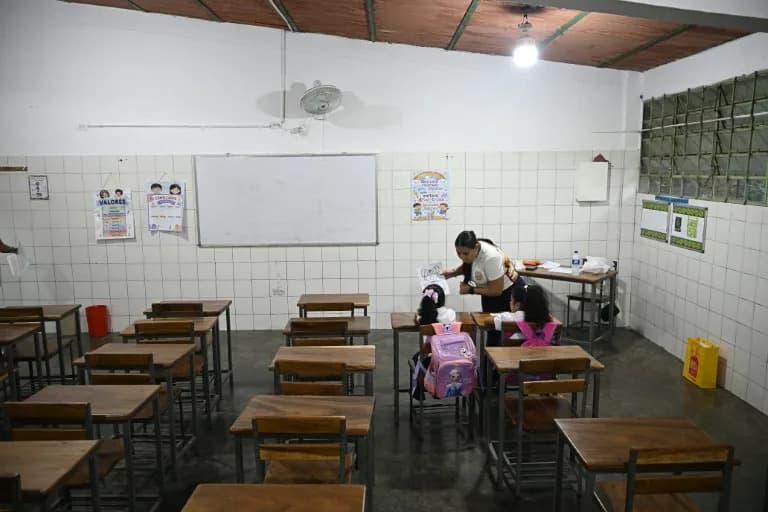
One month after the twin 7.2 and 7.5 magnitude earthquakes on June 24, hundreds of pets remain displaced in La Guaira while makeshift shelters care for them. State-run facilities have taken in 326 animals, with around 50 adopted, and volunteers report treating up to 50 animals a day. Emotional reunions continue as owners find surviving pets and rescue teams even recovered a cat alive from the rubble nearly a month after the disaster.
After the Quakes: Venezuelans Race to Reunite With Lost Pets
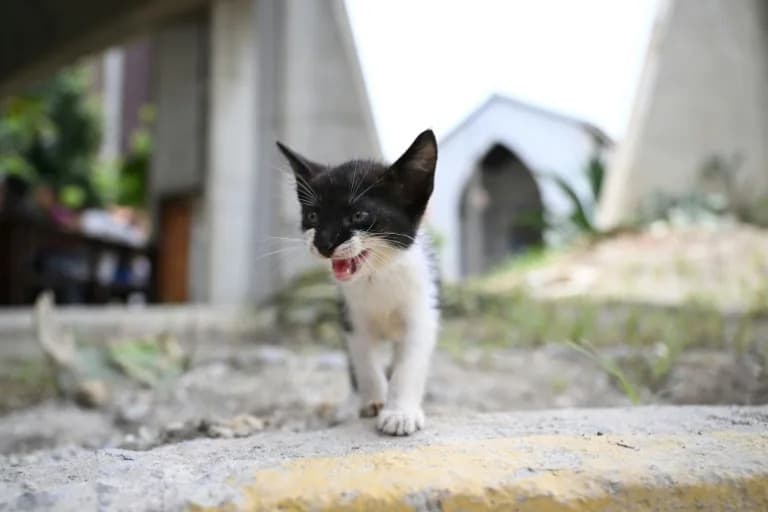
Alongside over 20,000 people made homeless by the quakes on June 24, hundreds of pets were left with no place to go (Raúl Arboleda)
One month after two powerful earthquakes struck Venezuela, hundreds of animals remain separated from their owners or are awaiting new homes in shelters across La Guaira.
Shelters Cared For Hundreds Amid Widespread Devastation
The 7.2 and 7.5 magnitude tremors that hit on June 24 — occurring within a minute of each other — worsened the human toll of the disaster: more than 5,000 people killed, over 23,000 left homeless in La Guaira, and roughly 17,000 injured. Makeshift animal shelters sprang up around the coastal city north of Caracas to care for displaced pets.
State-run and improvised facilities have taken in 326 animals so far, and about 50 have been adopted. Volunteers and veterinary students have been treating up to 50 animals a day, including dogs, cats, turtles and even a goat, often from temporary clinics set up in community spaces — one shelter was run from a McDonald’s that also served as an outpatient center.
Searches, Rescues And Emotional Reunions
Grieving owners have combed shelters and rubble-strewn neighborhoods searching for lost companions. "When the earthquake happened, we ran out and she stayed behind. I haven't been able to find her since that day," said 42-year-old Raquel Ramos as she looked for her cat Mia in the Tanaguarena area.
Seventeen-year-old Astrid Ugas planned to adopt a cat to keep her remaining pet company; she instead took in four kittens. "I want to help everyone who needs it," she said.
In one encouraging rescue, a team pulled a small black cat alive from the ruins of collapsed apartment blocks nearly a month after the disaster. Veterinarians treated the animal on site before transferring it to an improvised shelter.
"The reunions have been very emotional," said veterinary student Amanda Gonzalez. "Everyone ends up crying — these are animals people thought were gone, and when they see them again they are joyful."
Volunteer Efforts: Veterinary students and volunteers like Yanier Veliz and Amanda Gonzalez continue to provide daily care, medical treatment and coordination between shelters and owners to maximize reunions and adoptions.
As recovery continues, volunteers urge owners to check local shelters, share information on social media and community boards, and report lost or found animals to help reunite pets with their families.
Help us improve.