Active‑duty U.S. military chaplains say promotions and evaluations may be tied to theological and ideological alignment with Defense Secretary Pete Hegseth. Critics point to Hegseth's removal of "Spiritual Fitness" guides and the cut in officially recognized faith traditions from 200+ to 31, exclusions that include atheists and Unitarian Universalists. Chaplains warn the changes could empower supervisors to shape the Chaplain Corps and undermine religious pluralism and First Amendment protections.
Military Chaplains Say Promotions Linked To Support For Pete Hegseth’s Christian Agenda
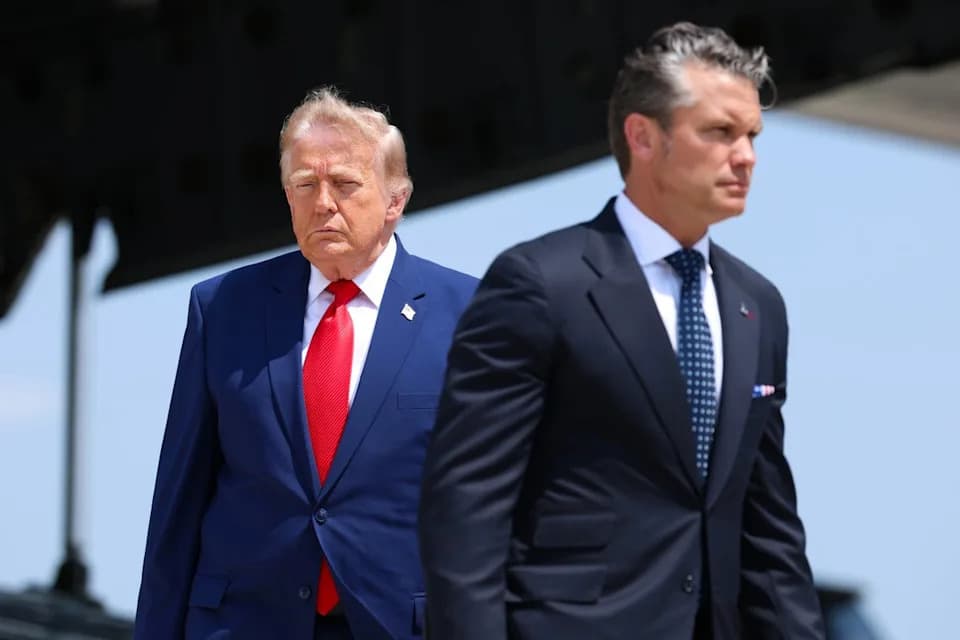
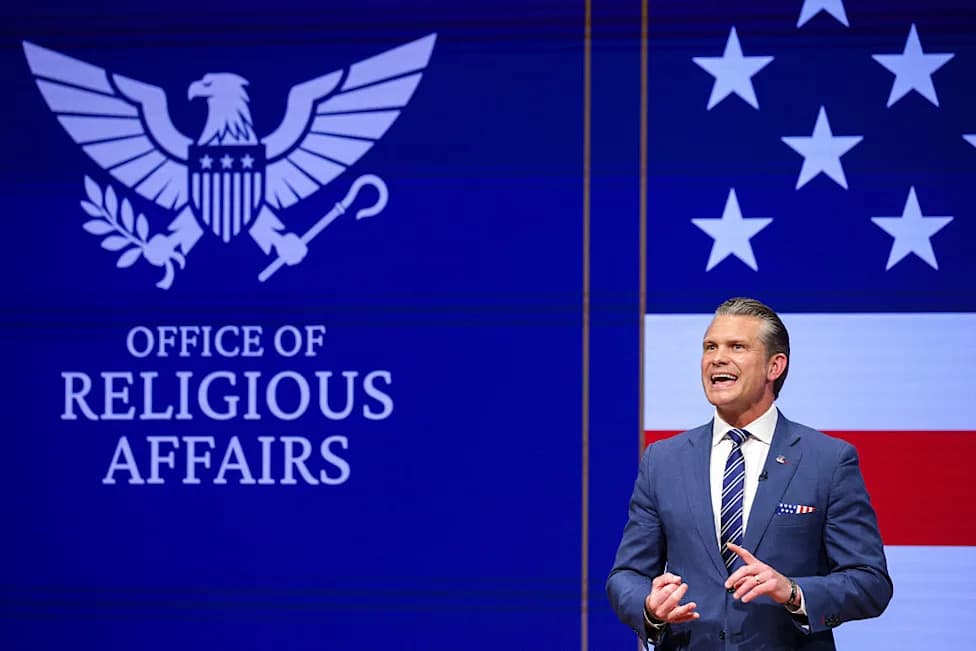
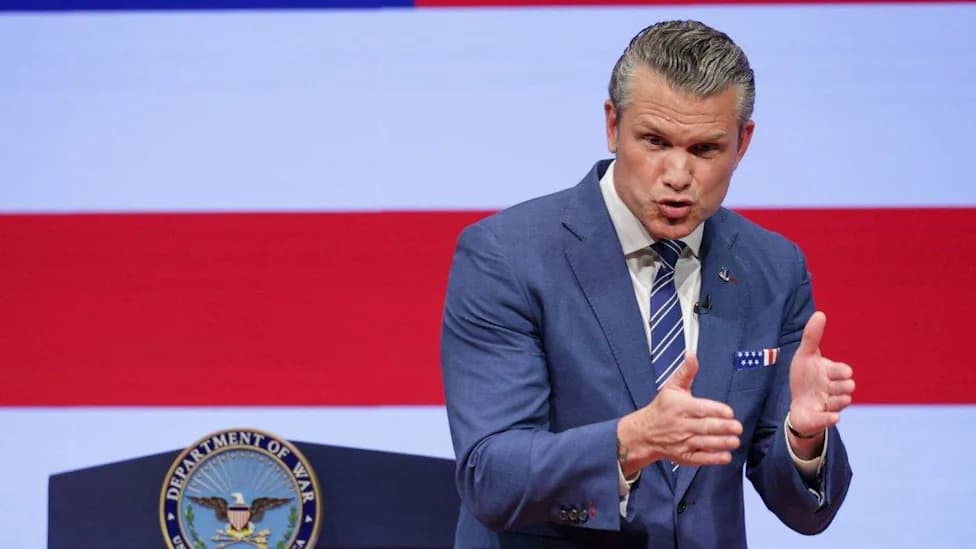
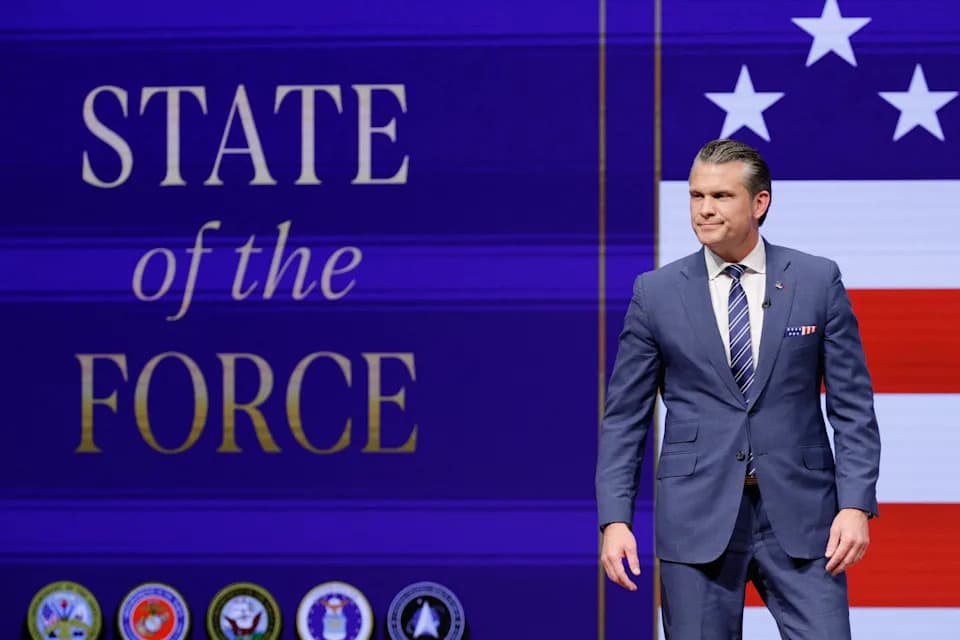
Active-duty military chaplains, who serve as officers, fear Pete Hegseth is promoting a narrow view of Christianity and pushing out faith leaders who don't align with Donald Trump's ideology (Getty)
Active‑duty U.S. military chaplains have raised alarm that evaluations, promotions and other career outcomes are being influenced by whether chaplains align theologically and ideologically with Defense Secretary Pete Hegseth and the broader Trump administration worldview. Several chaplains, speaking to the Military Religious Freedom Foundation (MRFF) and media outlets, say the message from leadership is increasingly clear about what viewpoints are rewarded.
Allegations and Official Response
Chaplains report a pattern of concerns: from changes in evaluation criteria and the elevation of supervisory chaplains' influence, to pressure to support new spiritual initiatives. Acting Pentagon press secretary Joel Valdez told The Independent that "these claims are false," while chaplains and advocacy groups continue to document complaints and seek protections for religious freedom within the ranks.
Policy Changes Under Hegseth
Over the past year, Secretary Hegseth has enacted several significant changes to the Chaplain Corps and related programs. These include reducing some chaplains' military ranks, scrapping the Department of Defense's "Spiritual Fitness" guides on the grounds they promoted "new age" or secular humanist ideas, and sharply narrowing the Pentagon's official list of recognized faith traditions from more than 200 to 31. The revised list excludes groups that were previously recognized, including atheists and Unitarian Universalists.
"Faith and virtue were traded for self‑help and self‑care," Hegseth said of the prior spiritual fitness materials. He criticized the Army program for focusing on feelings rather than explicit references to God and announced it would be discarded.
Reports From Chaplains
Some chaplains say the new approach effectively presents spiritual fitness as inherently religious and that they are facing growing pressure to endorse and promote that framing. One complaint to MRFF warned that the combination of the Spiritual Fitness initiative and a revised evaluation system could reward ideological conformity and discourage theological and cultural diversity.
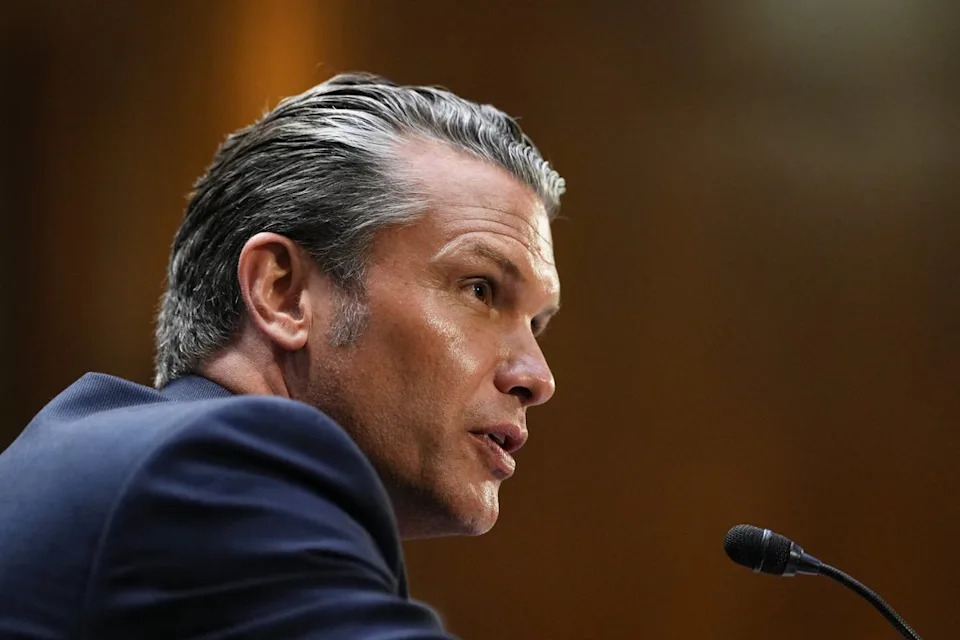
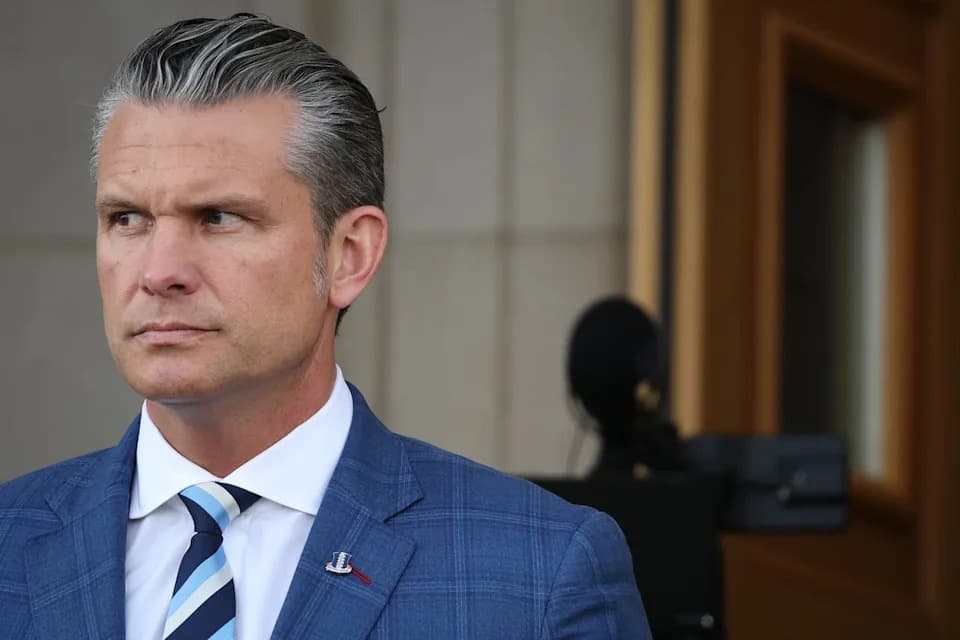
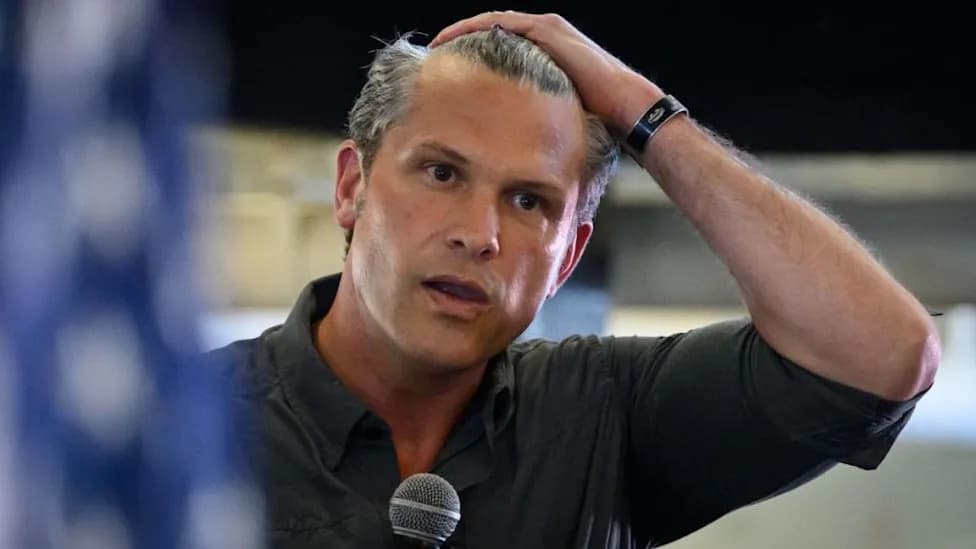
Hegseth, who is an Evangelical Christian, has overhauled the Chaplain Corps and tossed out Spiritual Fitness guides he said promoted secular humanism and 'new age' ideas about faith (Reuters)
Other reported incidents include administrative staff urging chaplains to join a "commander's crisis prayer phone tree" that recruits appeared to frame as explicitly Christian. Two chaplains said attempts to enroll them made clear the initiative favored chaplains who were "in sync" with their command's apparent Christian orientation.
Wider Concerns And Reactions
Critics argue the changes risk elevating a narrow religious worldview from the top of the chain of command. Civil‑religious separation advocates, including the Interfaith Alliance and MRFF, have warned that the narrowing of recognized faiths and the apparent expectation of ideological alignment could violate First Amendment principles and harm religious pluralism in the armed forces.
Observers also raised concerns after Hegseth invited controversial religious figures to speak at the Pentagon and framed geopolitical threats in explicitly religious terms, further stoking debate over the appropriate role of personal faith in official military leadership.
Potential Impact
Chaplains warn that if evaluation and promotion systems reward ideological conformity, the Chaplain Corps could shift away from its mission to provide for the free exercise of religion across a pluralistic force. Those most likely to be affected include chaplains from minority faith traditions, racial minorities and women, who say the reforms could narrow who is considered acceptable to serve in the Corps.
What Happens Next: Advocacy organizations and some chaplains continue to document incidents and seek clarity or redress. The Pentagon maintains the changes are intended to "streamline" ministry and improve readiness, while critics say more safeguards are needed to protect religious liberty and pluralism within the military.
Help us improve.