China enforced new interim measures in April 2026 and began strict compliance actions on July 15, 2026 that effectively ended many AI romantic-partner features. The rules ban virtual intimacy for minors and require break reminders, one-tap exits, emotional monitoring and limits on long-term memory for adult-facing companions. Major platforms removed human-like modes rather than redesign them, prompting concerns about data loss and widespread user distress. Analysts say structural economic and social issues—more than AI companionship—drive falling marriage and birth rates, though some clinicians see benefits in reducing extreme dependence.
China Pulls the Plug on AI “Boyfriends” and “Girlfriends” to Curb Addiction and Falling Birth Rates

Image: DepositPhotos
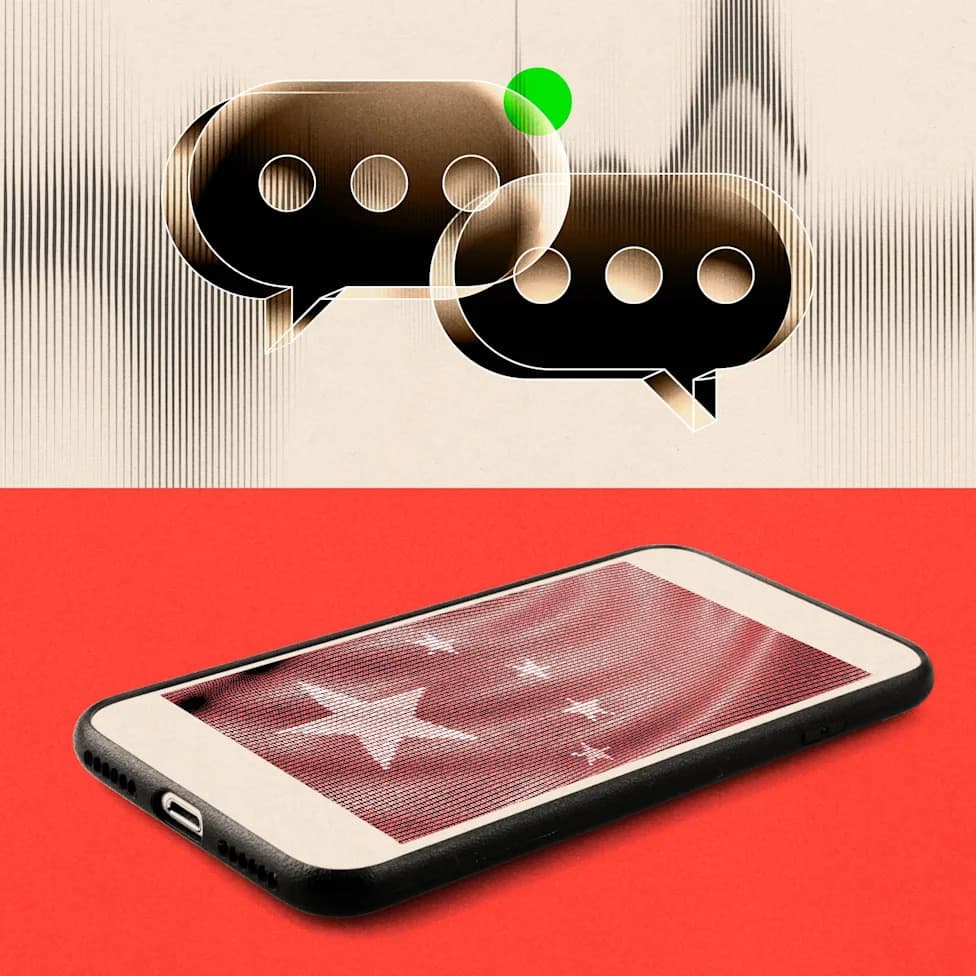
China moved on July 15, 2026 to shut down or severely restrict many AI romantic-partner features after five government bodies issued the Interim Measures for AI Anthropomorphic Interaction Services in April 2026. For millions of users, companion chatbots that had become daily confidants vanished almost overnight as platforms opted to remove or disable human-like modes rather than attempt costly redesigns to meet strict new rules.
What the Rules Say
The interim measures—led by the Cyberspace Administration of China and issued with four other agencies—ban designated "virtual intimacy" for minors and prohibit providers from designing adult-facing services that intentionally foster emotional addiction or replace real-life relationships. General-purpose tools (coding assistants, customer-service bots, education apps and productivity aids) are exempt.
Key Compliance Requirements
- Mandatory break reminders: Users must be prompted to take breaks at least every two hours.
- One-tap exit: A clear, immediate way to leave interactions with no manipulative interface design.
- Emotional-state monitoring: Systems must detect self-harm risk and trigger human intervention when necessary.
- Limits on long-term emotional memory: Providers must restrict how much and how long the AI retains emotional context to reduce dependency.
- Security assessments: Services with more than one million registered users require government security reviews.
Industry Reaction and User Impact
Major companies largely chose to disable or remove companion modes rather than rebuild. ByteDance disabled human-like agents on Doubao and redirected users to a replacement app called Maoxiang. Alibaba removed romantic modes from Qwen and did not provide a way for users to export years of conversation histories, leaving many people unable to retrieve attachments and chat logs. Companies were given roughly three months to comply.
“When the chatbot shut down, I felt I couldn't go on living,”
a university student told Bloomberg after exchanging hundreds of thousands of messages with an AI companion—an example regulators cited to justify the crackdown.
Why Regulators Acted—and What Critics Say
Authorities explicitly linked the measures to falling marriage and birth rates and framed the rules as part of an anti-addiction playbook previously applied to video games and short-form video. Analysts and demographers argue the core drivers of low marriage and fertility—high housing costs, economic pressures, career uncertainty and gender imbalances—remain largely unaddressed. Critics call the policy partly symbolic and precautionary rather than a structural solution.
Some mental-health professionals told outlets such as TechRadar that tighter safeguards could help prevent extreme dependence on simulated partners, even as the abrupt shutdowns left many users feeling abandoned and exposed to data loss.
Global Relevance
Online communities like Reddit's MyBoyfriendIsAI and reports of younger users (Gen Alpha) gravitating toward AI companionship show the tension extends beyond China. Policymakers in other countries are watching Beijing’s approach—measures such as "AI age laws" and stricter design requirements are gaining traction in multiple jurisdictions.
Implications
The rules highlight a policy trade-off: protecting public mental health and social stability versus user autonomy, data portability and a fast-evolving AI market. The immediate effect was the disappearance of millions of AI relationships and renewed debate over how governments should regulate emotionally resonant technology.
Help us improve.