Swiss Federal Supreme Court has ordered a retrial in Zurich for Eckart Seith, the Stuttgart lawyer credited with helping to expose the Cum‑Ex tax fraud. Prosecutors say Seith committed economic espionage by handing internal Swiss bank documents to German authorities; Seith argues such disclosures are lawful and necessary to uncover serious crime. The case—paused in 2024 over questions about a prosecutor's impartiality—now returns to the Zurich High Court, spotlighting tensions between bank secrecy and cross‑border whistleblowing.
Swiss High Court Orders Retrial For Lawyer Who Helped Expose Cum‑Ex Tax Fraud
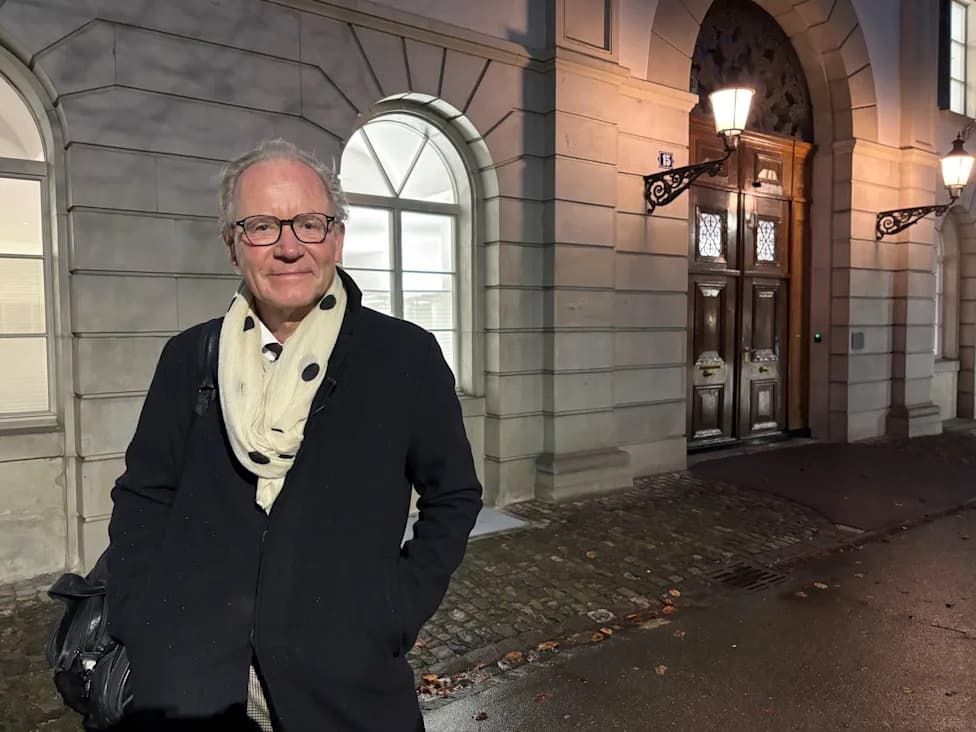
FILE PHOTO - Lawyer Eckart Seith from Stuttgart stands trial before the High Court. Eckart Seith, a lawyer from Stuttgart who is celebrated in Germany as the man who uncovered the fraudulent cum-ex transactions, will have to stand trial again in Switzerland on Monday for economic espionage. (is associated with: «Swiss court revives case against lawyer who helped expose Cum-Ex fraud») Christiane Oelrich/dpa
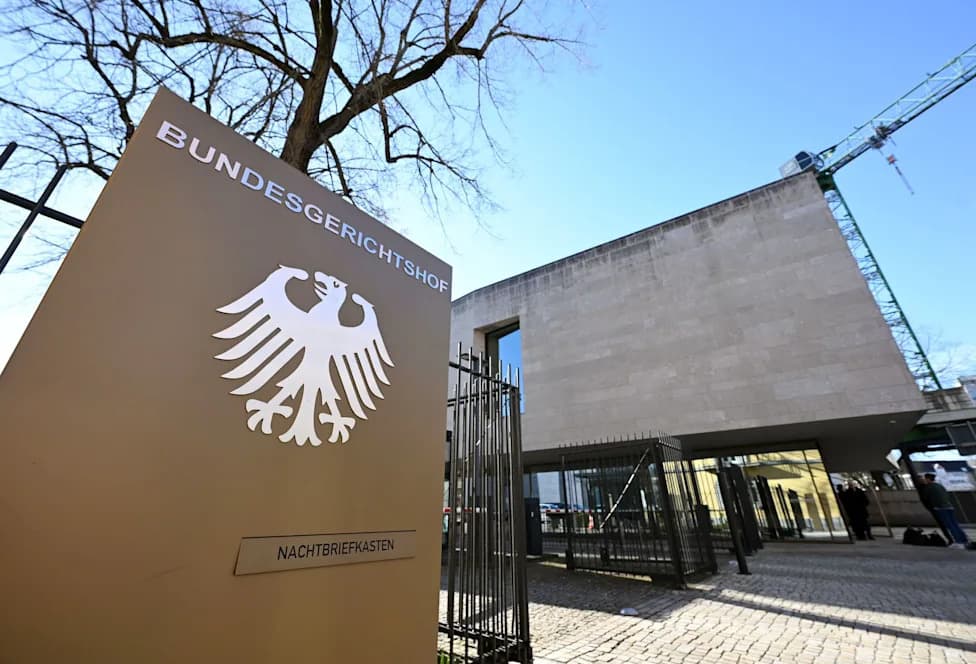
Eckart Seith, a Stuttgart lawyer widely regarded in Germany as a whistleblower for his role in exposing the Cum‑Ex tax fraud, will face a retrial in Zurich after Switzerland's Federal Supreme Court in Lausanne sided with Zurich prosecutors and sent the case back to the Zurich High Court.
The case centers on allegations that Seith committed economic espionage by handing internal documents from a Swiss bank to German authorities. Those documents helped trigger major investigations into illegal Cum‑Ex transactions that cost European treasuries billions.
Legal Background and Developments
Seith was first tried in Zurich in 2019; the proceedings moved through multiple courts and were discontinued in 2024 after a court found that the original public prosecutor had not demonstrated required impartiality. Zurich's public prosecutor appealed that discontinuation, and the Federal Supreme Court has now ruled in the prosecutor's favor, ordering the matter reheard.
Charges and Arguments
Swiss authorities accuse Seith of economic espionage for disclosing confidential internal bank material. Two former German employees of J. Safra Sarasin have been charged alongside him. Prosecutors argue that under Swiss law, banks are custodians of confidential information and that sharing internal documents with foreign authorities—even when those disclosures reveal criminal conduct—can amount to a punishable breach.
Seith's Role
Seith obtained the documents while representing German drugstore entrepreneur Erwin Müller, who lost millions in alleged Cum‑Ex dealings carried out by his Swiss bank. The materials he passed to German investigators played a significant role in probes into large‑scale tax fraud affecting Germany and other countries.
"The investigation of serious criminal offences, including by holders of confidential information, is both desired and permitted under the European legal system," Seith told the dpa. "I do not expect Switzerland to place itself outside the European legal system."
Why It Matters
The case highlights a tense legal and ethical clash between cross‑border whistleblowing and strict Swiss bank confidentiality rules. It raises broader questions about how countries should balance protecting client secrecy with enabling the exposure of international financial crime.
Quick Explainer: Cum‑Ex
Cum‑Ex schemes involved rapid trading of shares around dividend dates so that multiple parties could claim refunds for capital gains or dividend taxes that had been paid only once—or not at all. The transactions prompted a wave of investigations and several prison sentences in Germany in recent years.
Next Steps: The Zurich High Court will now rehear the case following the Federal Supreme Court's referral. The retrial will revisit whether Seith's disclosure of internal bank documents constitutes economic espionage under Swiss law despite the documents' role in exposing serious criminality.
Help us improve.