Glasgow has unveiled the Legacy of Slavery and Colonialism Trail to illuminate the city's ties to the transatlantic slave economy. The first phase visits key sites including Glasgow City Chambers, Merchant City, Trongate and the Gallery of Modern Art, and highlights more than 60 streets and locations linked to slavery. The route draws on research by Dr Stephen Mullen and community groups such as CRER; the council said the trail will expand to include George Square later this year.
Glasgow Launches 'Legacy of Slavery and Colonialism' Trail to Confront City's Past
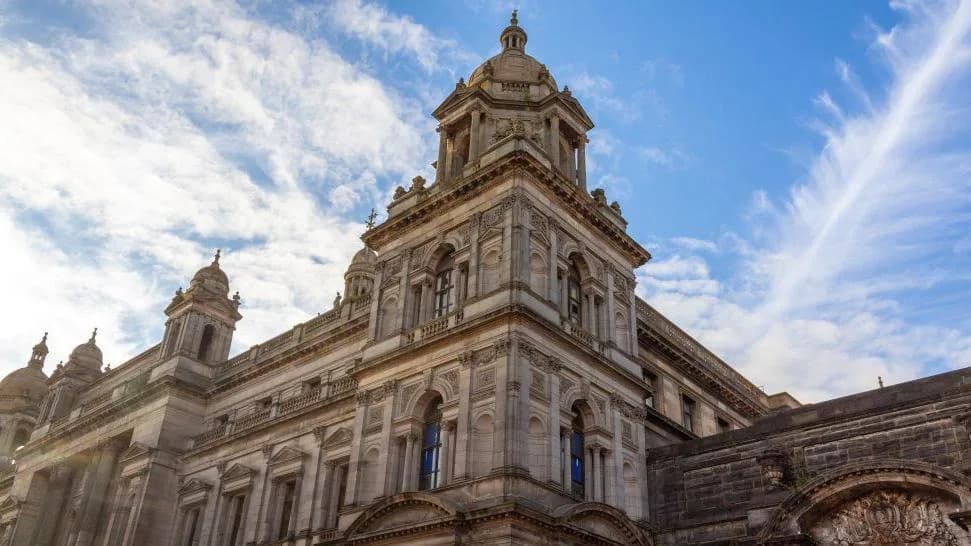
Glasgow City Chambers is one of the places on the new slavery trail [Getty Images]
Glasgow has opened a new Legacy of Slavery and Colonialism Trail designed to spotlight the city's historical role in the transatlantic slave economy and to broaden public understanding of its colonial past.
The route highlights how wealth from 18th- and 19th-century tobacco, sugar and cotton trades—industries built on enslaved labour—helped shape Glasgow's growth, its streets and many of its institutions. Researchers and community groups estimate more than 60 streets and sites across the city have historic connections to slavery, and at least eight individuals linked to the trade are commemorated in public monuments.
Trail Route And Key Sites
The first phase of the trail includes stops at prominent locations such as Glasgow City Chambers, the Merchant City, Trongate and the Gallery of Modern Art. The route also highlights the City Halls—a focal point for historic anti-slavery meetings—and streets such as Cochrane Street, named in 1787 after tobacco merchant Andrew Cochrane.
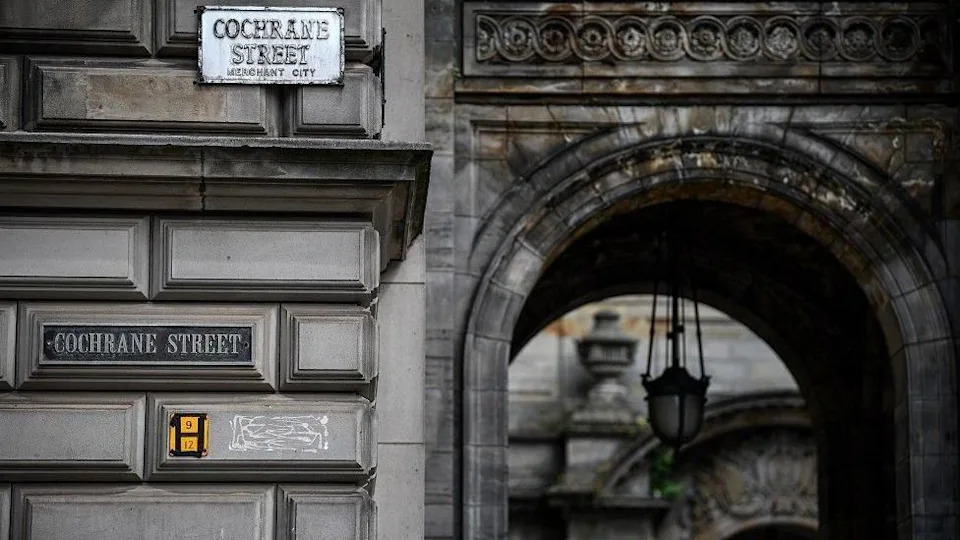
Cochrane Street is named after the prominent tobacco lord Andrew Cochrane [Getty Images]
"Glasgow has a rich, complex and, at times, deeply uncomfortable history," said Councillor Susan Aitken, leader of Glasgow City Council. "Many of Glasgow's glories were built on a legacy of slavery and colonialism. The consequences of that legacy for the descendants of enslaved and colonised people continue to this day."
The trail cites research showing that records link 40 Lord Provosts of Glasgow to slavery between 1636 and 1834, illustrating how embedded the trade was in civic life. The council has said the walk aims to encourage Glaswegians and visitors alike to reassess familiar streets, buildings and landmarks and to understand previously overlooked parts of the city's history.
Research And Community Collaboration
The project was informed by academic research from Dr Stephen Mullen, a lecturer at the University of Glasgow who specialises in the legacies of Atlantic slavery, and builds on community-led work such as the Coalition for Racial Equality and Rights (CRER), which runs Black History Month walking tours.
In 2022 Glasgow City Council issued a formal apology to the descendants of enslaved people and to affected nations. Organisers say the trail will be expanded later in the year to include new material related to George Square when it reopens.
The trail is presented as both an educational resource and a prompt for reflection—inviting residents and visitors to confront difficult truths about the wealth, power and public memory that helped shape modern Glasgow.
Help us improve.