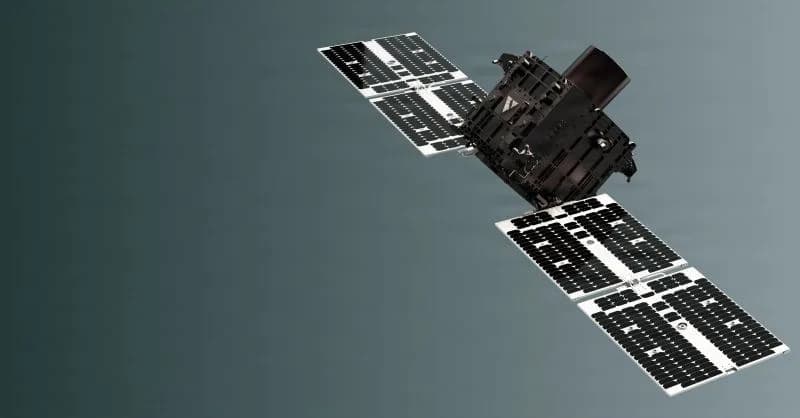
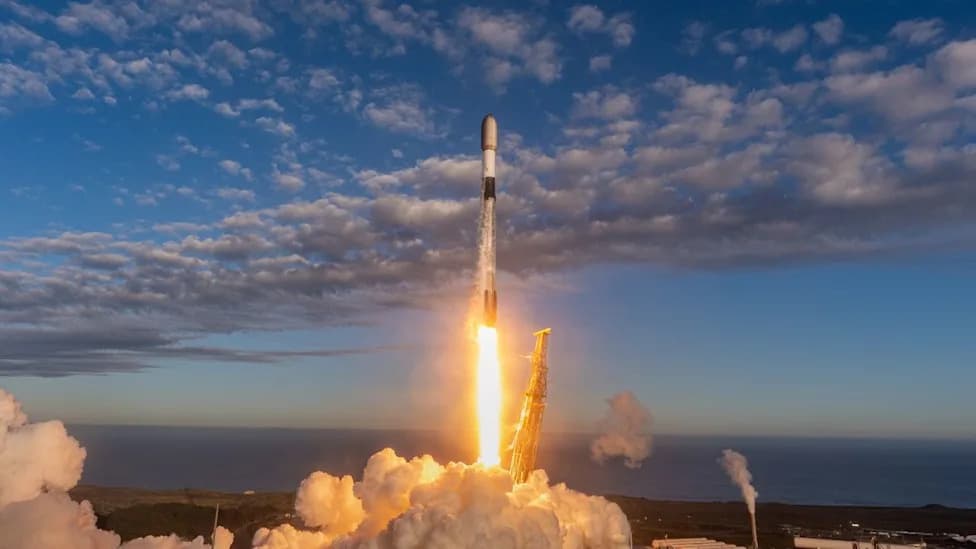
SpaceX launched a Northrop Grumman-built robotic servicing vehicle on 21 July to repair and extend the life of satellites in geostationary orbit (about 36,000 km above Earth). Equipped with 3-metre robotic arms and Mission Extension Pods (MEPs), the craft can inspect, repair, relocate and replenish client satellites, potentially adding up to eight years to a typical 2,000 kg spacecraft. The mission aims to reduce replacement costs and help limit space debris, with initial operations expected in the coming weeks.
SpaceX Launches Robotic 'Mechanic' to Repair Satellites and Tackle Space Junk
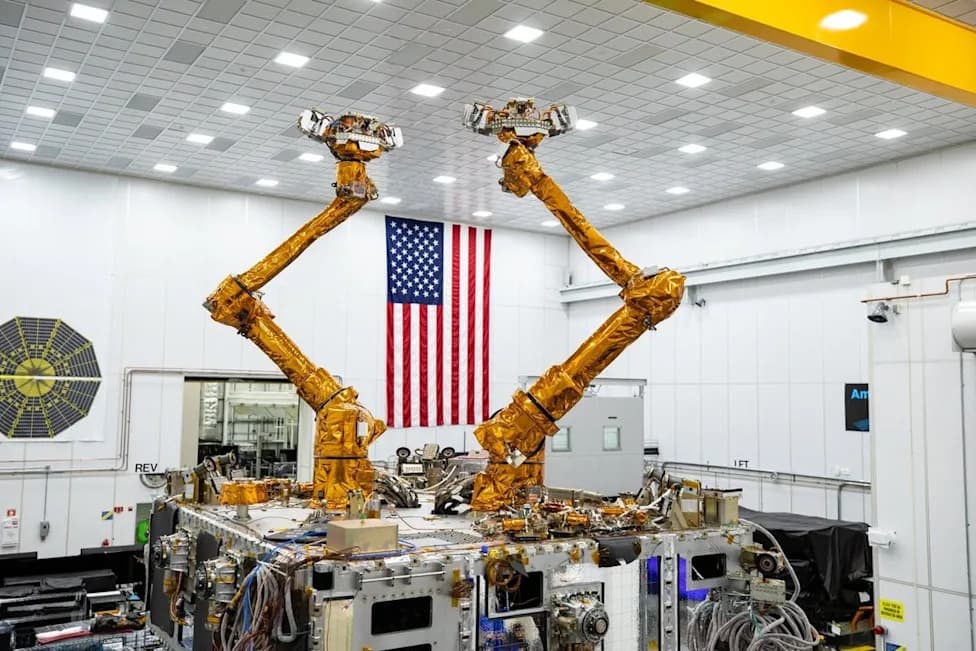
The Mission Robotic Vehicle has 3-metre-long arms designed to fix and move objects in space (DARPA)
SpaceX launched a robotic servicing spacecraft on 21 July from Cape Canaveral Space Force Station, carrying a Northrop Grumman-built vehicle designed to repair, upgrade and reposition ageing satellites in geostationary orbit.
Mission Overview
The pioneering mission will operate in geostationary orbit (GEO), roughly 36,000 km (22,300 miles) above Earth — the region where many communications, weather and reconnaissance satellites sit. Northrop Grumman describes the vehicle as a Mission Robotic Vehicle (MRV) intended to make in-orbit servicing routine rather than exceptional.
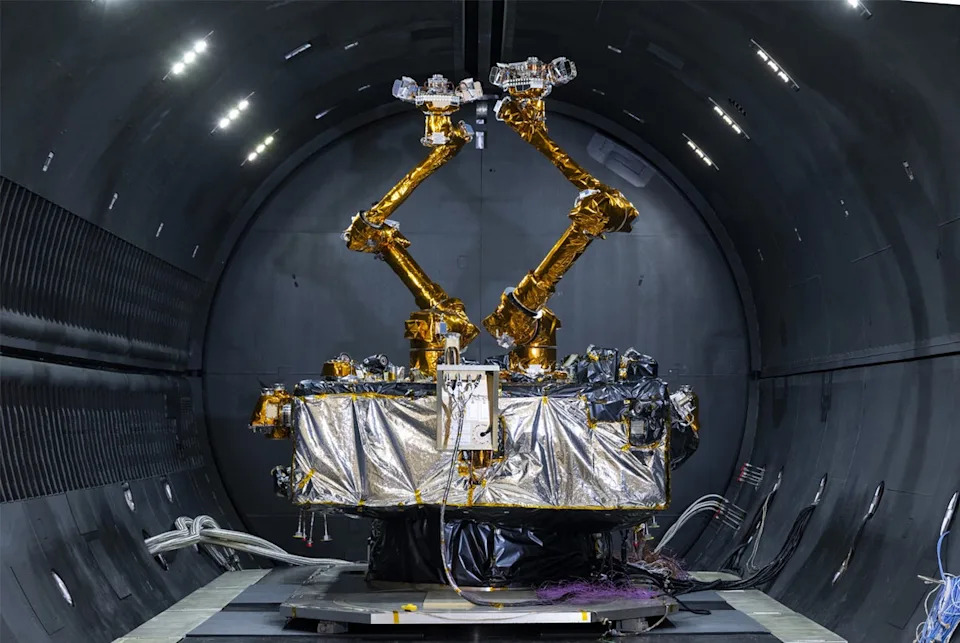
The robotic payload can fix satellites in geostationary orbit more than 35,000 kilometres above Earth (DARPA)
"Today's launch is the start of something bigger," Northrop Grumman wrote on X. "Our Mission Robotic Vehicle is opening the door to a future where repairing, upgrading and building in space is part of the routine, not the exception."
How It Works
The servicing craft is equipped with two multi-jointed robotic manipulators, each about three metres (10 feet) long and built by the US Naval Research Laboratory. These arms can perform delicate tasks such as inspection, anomaly resolution, relocation and the installation of Mission Extension Pods (MEPs) on client satellites.
MEPs attach to an ageing satellite and provide electric propulsion for orbit control and momentum management. According to Northrop Grumman, a typical 2,000 kg satellite could gain up to eight years of operational life from a single MEP installation.
"With no support once in orbit, GEO satellites are equipped with redundant systems and maximum fuel capacity, which increases their complexity, weight, and expense," DARPA noted, adding that the robotic payload is built to perform complex tasks including in-orbit upgrades, inspections and satellite relocation.
Benefits and Next Steps
- Cost Savings: Extending the life of existing spacecraft can spare operators the expense of designing and launching replacement satellites that can cost hundreds of millions of dollars.
- Debris Reduction: Servicing and relocating satellites may help reduce the accumulation of space debris by keeping satellites functional and moving defunct hardware out of valuable orbital slots.
- Flexible Service: The MRV is designed to move between customer satellites, enabling multiple servicing campaigns on different spacecraft.
Engineers expect the first servicing operations to begin in the coming weeks after the vehicle reaches geostationary orbit. If successful, the mission could mark a major step toward routine in-orbit servicing, repair and life-extension for vital space infrastructure.
Help us improve.