Summary: This article shows that legal control over women persists globally through enforceable laws. It highlights five broad areas where law constrains women: male guardianship regimes that limit work and travel; Afghanistan's strict mahram rules; inheritance laws that favor sons; nationality rules that prevent mothers from passing citizenship; and U.S. state loopholes that permit child marriage. These rules have immediate and long-term effects on women's mobility, economic security and legal identity.
5 Laws Still Enforcing Male Control Over Women in the 21st Century

Image credits: Unsplash
It is easy to assume that formal legal control over women is a relic of the past. In many courtrooms across wealthier democracies that impression holds. But beyond those settings, enforceable laws still give husbands, fathers or the state the power to decide where a woman may go, whom she may marry and what she may inherit. These legal rules, some ancient and some recently reaffirmed, continue to shape women's lives in concrete ways.

1. Male guardianship rules that decide when a woman can travel or work (Image Credits: Unsplash)
1. Male Guardianship Regimes That Restrict Travel, Work And Movement
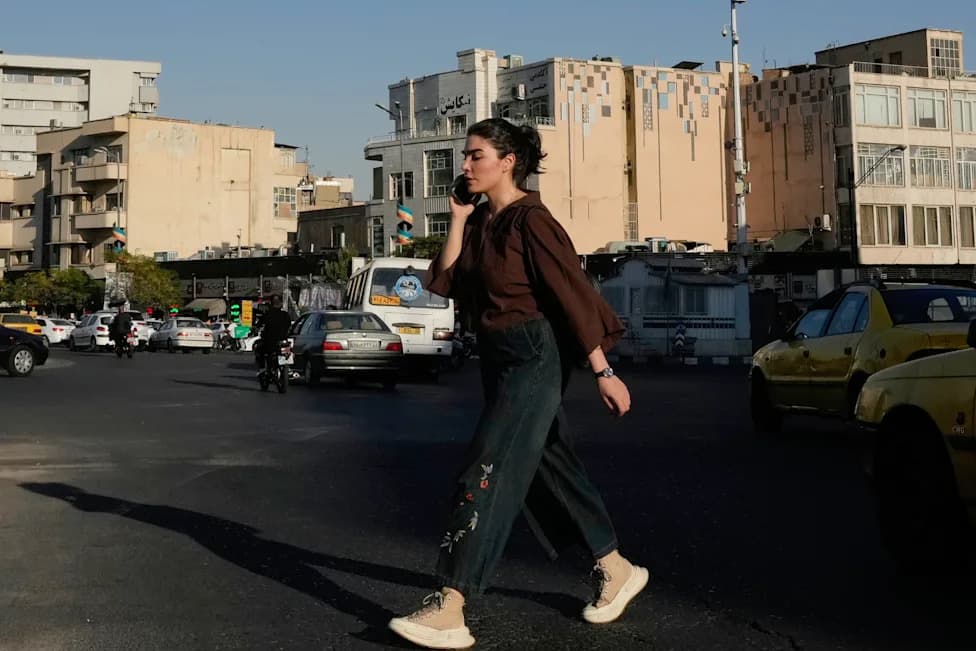
In several countries across the Middle East and elsewhere, family or personal status laws require women to seek a male guardian's permission to leave the marital home, take a job, or travel. Fifteen countries in the region maintain variations of these rules, which can include requirements to “obey” a husband or to live with him.
2. Afghanistan's mahram rules confining women to their homes (Image Credits: Pexels)
Reforms in some places have been partial. For example, Saudi Arabia relaxed travel restrictions in August 2019 by allowing women aged 21 and over to travel abroad without a guardian’s permission; however, younger women and many other situations remain subject to guardianship rules. In Iran, married women have been required to present their husband’s permission to obtain a passport or to travel abroad, and there are documented cases of permission being revoked at short notice.

4. Inheritance codes that give sons double a daughter's share (Image Credits: Pexels)
2. Afghanistan’s Mahram Rules: Daily Enforcement of Male Permission
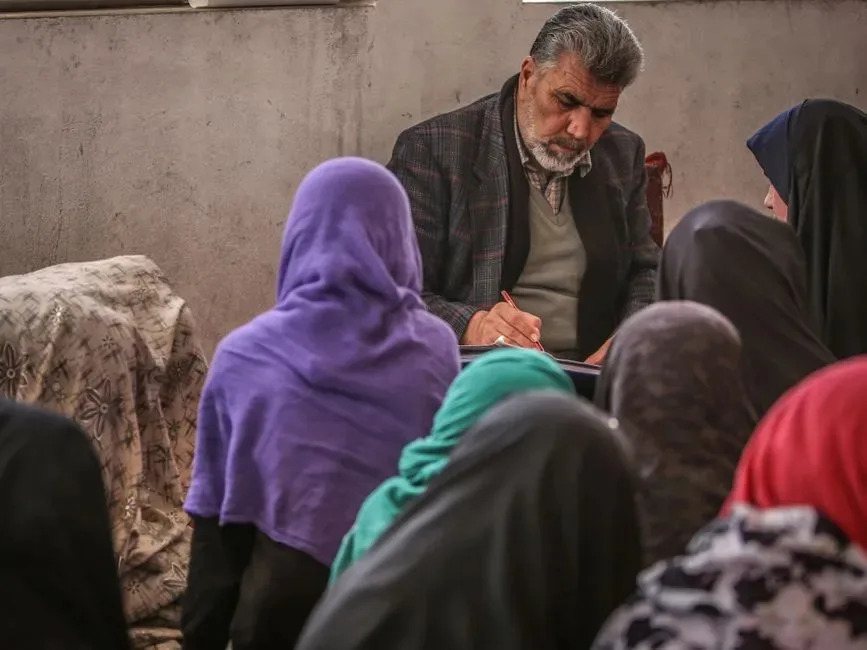
Afghanistan under Taliban rule offers one of the most extreme contemporary examples. A 2025 decree described as a “promotion of virtue and prevention of vice” measure bars women from travelling or using public transport without a mahram (a close male guardian) and is enforced widely. The restrictions extend to routine daily life: women have been required to wear face coverings in public and are reportedly barred from travelling more than 70 kilometres without a male relative. Unmarried women without a mahram face especially harsh barriers to health care, work and movement.

5. Citizenship laws that treat mothers as second-class parents (Image Credits: Pexels)
3. Inheritance Rules That Systematically Favor Sons
Family law in some countries still allocates inheritance by gender. Under many interpretations of Sharia-based family legislation, for example, a daughter may receive half the share of a son when a parent dies. In countries such as Egypt this arrangement remains common and, according to recent survey research, enjoys considerable public support.

6. American state laws that still permit marriage before adulthood (Image Credits: Unsplash)
A 2025 study cited in the original reporting found that a substantial share of respondents supported sons inheriting twice as much as daughters. The financial consequences of gendered inheritance rules are long-lasting: they shape access to property, credit and economic independence across a woman’s lifetime.
4. Citizenship Laws That Treat Mothers As Secondary Parents
In roughly two dozen countries, women married to foreign men cannot pass their nationality to their children on equal terms with men. More than 45 countries also restrict a woman's ability to confer citizenship on a spouse. These rules can leave children stateless or legally insecure.
The Gulf states provide stark examples: Qatar, Kuwait, Brunei, Lebanon, Somalia and Eswatini either prevent mothers from automatically passing nationality to their children or permit it only in narrow exceptions. One Kuwaiti woman described having children who effectively lack nationality because the law reserves that right to men.
5. U.S. State Laws That Still Allow Marriage Before Adulthood
Legal control over young women is not limited to other regions. In the United States, many states retain exceptions that permit child marriage. Thirty-four states have historically allowed marriage for minors with parental or judicial approval; until recent reform efforts, some states had no absolute minimum age.
Between 2000 and 2021, more than 314,000 children were legally married in the U.S., the vast majority girls, and some as young as 10. Marriage can remove the practical tools minors need to leave harmful situations: in some jurisdictions a married adolescent faces barriers to filing for divorce, hiring a lawyer or accessing shelter services without adult involvement.
Why These Laws Matter
These legal rules are not merely symbolic. They influence women’s everyday freedom, economic security and legal identity — from whether they can seek health care or a job, to how property is passed between generations, to whether their children have a nationality. Reform efforts continue in many places, but the persistence of these laws demonstrates that legal gender inequality remains a live issue in the 21st century.
Help us improve.