The article argues that the child welfare system often harms vulnerable families rather than protecting children, using Pete Buttigieg’s 24-hour separation from his 4-year-old twins as an example. It highlights three urgent reforms: banning anonymous tips that trigger investigations, ending unregulated "hidden foster care" or kinship diversions without court oversight, and guaranteeing parents access to legal counsel from the start of an investigation. The piece notes bipartisan momentum and calls on lawmakers to act to prevent unnecessary family separations.
Opinion: How the Child Welfare System Wrongly Targeted Buttigieg’s Family — And What Must Change

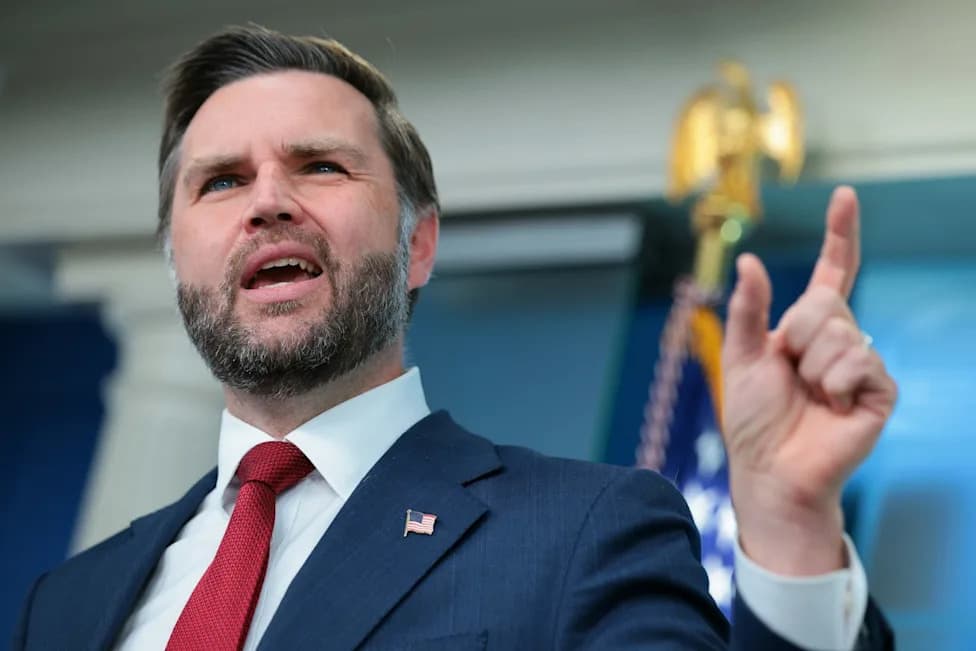
When Child Protective Services and a police officer arrived at former Transportation Secretary Pete Buttigieg’s Michigan home, the family experienced a sudden and traumatic separation that many parents nationwide also face. Buttigieg was separated from his 4-year-old twins for roughly 24 hours after an anonymous tip that authorities later determined was false. The episode underscores deep problems in a system meant to protect children but that often harms families—especially those with the fewest resources.
“Among the darkest hours of my life,” Buttigieg called the separation. Acting on the anonymous allegation, CPS arranged temporary placement with the twins’ grandparents and barred Buttigieg from being alone with the children while forensic interviews were conducted. For hours, Buttigieg and his husband did not know the nature of the accusation or whether their family would be allowed to remain intact.
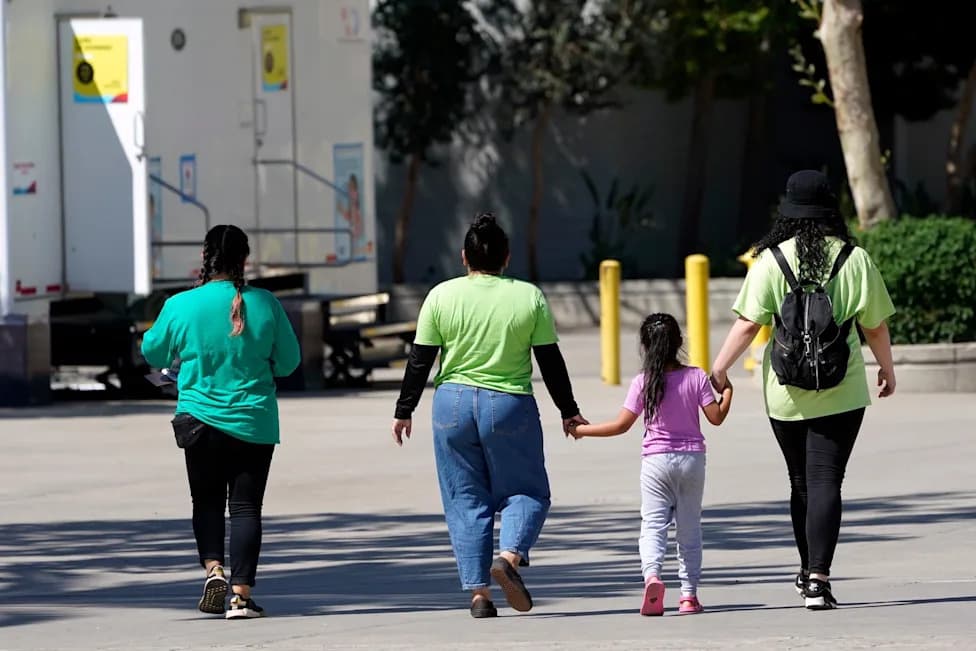
The case illustrates three systemic failures that disproportionately affect low-income and marginalized families—Black, Brown, Indigenous, LGBTQ and disabled parents—because surveillance and intervention fall disproportionately on those who rely on public programs and lack the resources to contest agency action. What set Buttigieg apart was access to money, legal counsel and public visibility—advantages most families do not have.
Three Reforms That Should Be Urgent Priorities
1. End Anonymous Reporting That Triggers Investigations
Most states allow anonymous callers to initiate CPS investigations. These anonymous tips are frequently used as tools of harassment by abusive ex-partners, neighbors and others—and they are overwhelmingly unproven: roughly 96% of anonymous reports nationally are ultimately unsubstantiated. A few states have moved to limit or ban anonymous reporting; others should follow by requiring identifying information while protecting the safety of bona fide reporters.
2. Stop 'Hidden Foster Care' And Kinship Diversions Without Oversight
A variety of practices—often called kinship diversion, hidden foster care or safety plans—can result in children being placed with relatives or other caregivers without a court petition or judicial review. Because no petition is filed, there is no court oversight to verify that removal was necessary or that the temporary placement is safe. This unregulated pathway has split families and, in some tragic cases, contributed to harm. Better data collection and federal guidance are needed so lawmakers can regulate and monitor these practices.
3. Guarantee Parents Legal Counsel From The Start
In most states, parents do not receive appointed counsel until a formal court petition is filed—often after the most consequential decisions have already been made. The trauma of removal begins the moment a caseworker knocks on the door. Early, pre-petition representation helps parents understand and defend their rights, reduces unnecessary removals, and promotes safer outcomes for children. Federal incentives could encourage states to provide timely counsel during investigations.
This is not a partisan issue. Lawmakers from both parties and states across the political spectrum—Texas, California and New York among them—have begun to enact reforms aimed at limiting anonymous tips and addressing hidden foster care. After Buttigieg shared his story, Republican Rep. Derrick Van Orden said his family had faced a similar intervention, illustrating cross-ideological concern about government overreach.
No family—whether Pete Buttigieg’s or families like Sara Gordon’s, the Bruckers’, or Joyce McMillan’s—should be torn apart by an unjust system. Banning anonymous reports that trigger investigations, ending unregulated hidden foster care practices, and guaranteeing parents counsel the moment CPS intervenes are vital first steps. Policymakers and advocates must work together to preserve family integrity while ensuring child safety.
Help us improve.