Six metallic spheres found at Forrest Beach, Queensland, in July 2026 are likely pressure vessels from a launch vehicle. Authorities set a 165-foot (50-meter) exclusion zone while scientific teams secured the debris and notified the Australian Space Agency. Experts say materials such as titanium and COPVs often survive uncontrolled reentry, underscoring the need for better tracking, information-sharing and controlled disposal of upper stages. International rules require notification of the launching state and possible return of recovered objects.
Six 'Space Balls' Wash Ashore in Australia — What Surviving Rocket Debris Reveals About Reentry Risks
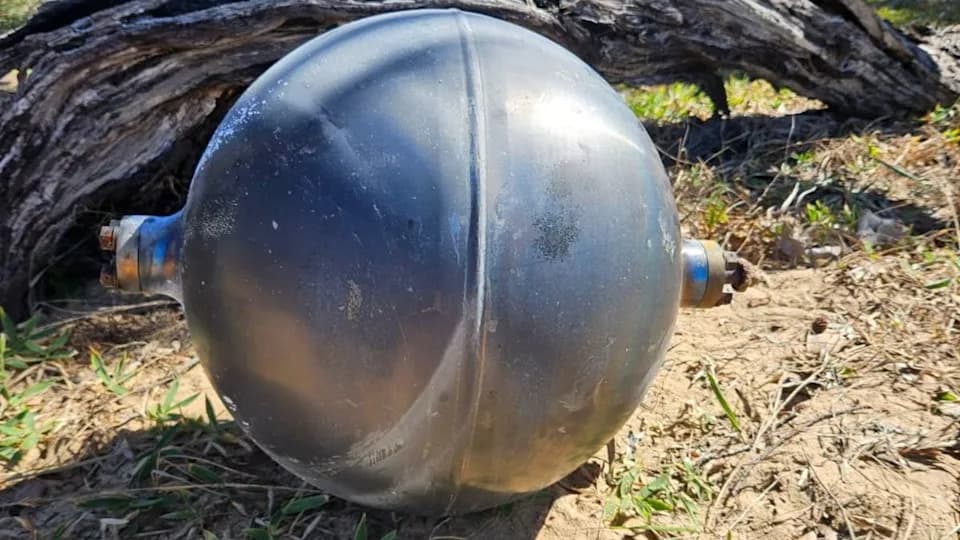
A metallic sphere found in Australia in July 2026 is believed to be space debris. | Credit: Queensland Fire Department
Six small metallic spheres discovered at Forrest Beach, Queensland, in July 2026 are believed to be pressure vessels from a launch vehicle, reigniting questions about how and why some pieces of space hardware survive uncontrolled reentries.
Discovery and Immediate Response
In early July, residents near Ingham reported metallic objects that local authorities later secured. Crews from the Queensland Fire and Emergency Services assisted partner agencies while scientific teams established a 165-foot (50-meter) exclusion zone to protect the public and preserve the scene for investigation. The Australian Space Agency (ASA) has been notified and is coordinating technical support and liaison with possible foreign launching authorities as the origin of the parts is established.
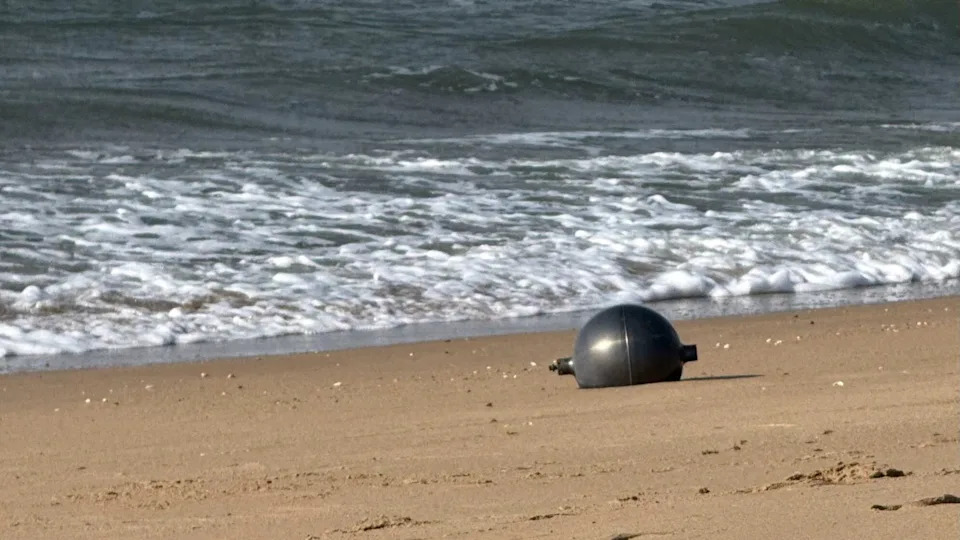
A metallic sphere found in Australia in July 2026 is believed to be space debris. | Credit: Queensland Fire Department
Why These Parts Often Survive Reentry
Experts say pressure vessels and similar components are among the most survivable items during atmospheric reentry because of their materials and construction. Many are made from titanium or are composite-overwrapped pressure vessels (COPVs), both designed to tolerate heat and stress.
Very often they are built from materials such as titanium that tolerate extreme heating, and because they are hollow they decelerate differently and can 'float down' intact, said Marlon Sorge, executive director of the Aerospace Corporation's Center for Orbital and Reentry Debris Studies (CORDS).
What Authorities Advise the Public
- Do not touch or move suspected debris. Components may be hazardous and should only be handled by trained professionals.
- If there is immediate danger, contact emergency services. Otherwise, call local police for guidance and preserve the site.
- Notify the Australian Space Agency so it can provide technical advice, coordinate with operators or foreign authorities, and advise on treaty or notification obligations.
Context, Traceability and Legal Obligations
Australia has seen several recoveries of space hardware before, including U.S. Skylab debris in 1979, a SpaceX Dragon-trunk piece in 2022, an Indian booster pressure vessel in 2023, and a section of a Jielong-3 rocket in 2025. Under international rules, the finding state must notify the launching authority and, if requested, return objects that are identified as belonging to another state.
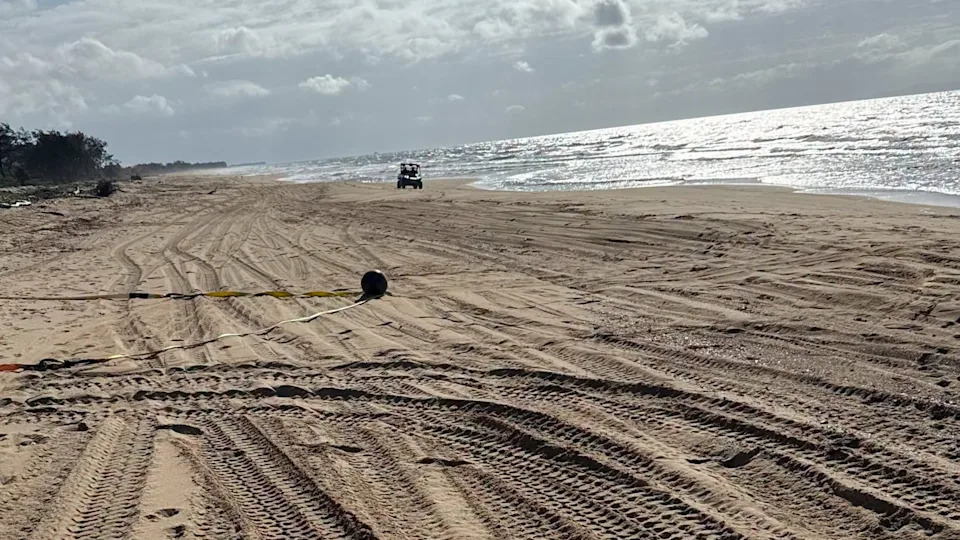
A metallic sphere found in Australia in July 2026 believed to be space debris. | Credit: Queensland Fire Department
Challenges and Opportunities for Improvement
Investigators gain valuable information from recovered items: their condition, evidence of heating, and clues about what they did not experience during reentry. However, linking debris to a specific launch remains difficult without reliable reentry tracking or a known impact time and location.
Objects in low Earth orbit pass over much of the planet, so uncontrolled reentries can land thousands of kilometers from the originating launch, Michelle Hanlon, executive director of the Center for Air and Space Law, observed.
Experts advocate for better tracking, faster information-sharing between operators and authorities, and more responsible end-of-life practices such as controlled reentry of upper stages to minimize risk to people and property.
Takeaway
The Forrest Beach finds are a practical reminder that space missions create obligations long after launch. As commercial activity and launch cadence increase, so too does the importance of robust reentry planning, debris tracking, and international cooperation to manage survivable pieces of space hardware.
Help us improve.