
Testing of 144 nonviable loon eggs in New Hampshire in 2023 found widespread PFAS contamination, with PFOS the most common compound and about 26% of eggs at levels linked to harm in other birds. Other persistent pollutants detected included PCBs, DDT, dioxins, furans and BDE. Lake Winnipesaukee was among the highest‑risk sites. Researchers urge expanded fish testing, investigation of likely sources (including the Pak 2000 Superfund site), and continued monitoring to assess risks to ecosystems and human health.
PFAS in New Hampshire Loon Eggs Raise Alarms for Lakes, Fish and Residents
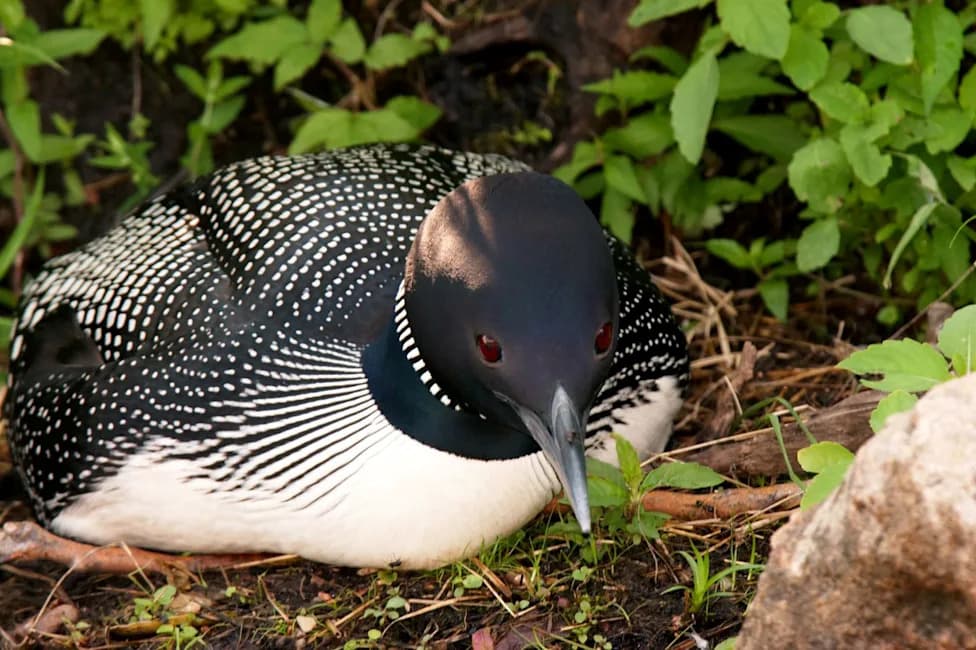
Photo Credit: iStock
New Hampshire's recovery of the common loon has been a notable conservation success — but recent contaminant testing has introduced a troubling caveat. Analyses of nonviable loon eggs collected in 2023 reveal widespread contamination by PFAS (per- and polyfluoroalkyl substances), with implications for aquatic ecosystems, fish consumers and human health.
Study Findings and What They Mean
Researchers with the Loon Preservation Committee analyzed 144 nonviable loon eggs in 2023 and found PFAS contamination in many samples, with PFOS the most frequently detected compound. The tests also detected legacy and persistent pollutants including PCBs, the pesticide DDT, dioxins and furans, and BDE (brominated flame retardants). Results varied substantially from lake to lake.
Lake Winnipesaukee was among the sites with the highest contaminant readings. About 26% of eggs tested contained PFOS at concentrations that have been associated with adverse effects in other bird species. Because loons are long-lived, top predators in aquatic food webs and prone to bioaccumulation, their eggs provide a useful snapshot of maternal contaminant burdens in the weeks leading up to laying.
"What's been surprising to us in the course of this work is, you know, just how many lakes we find, and where we find them, with these elevated levels of contaminants," said Tiffany Grade, a biologist with the Loon Preservation Committee.
Health, Ecological and Management Concerns
Because PFAS and other persistent chemicals concentrate up the food chain, findings in loon eggs raise concerns about contaminant transfer to fish, other wildlife and people who swim, boat or eat fish from affected lakes. Identifying pollution sources is therefore critical for risk reduction and remediation.
Researchers have flagged the former Pak 2000 packaging plant, a designated Superfund site and known source of PFAS, for closer scrutiny to determine whether it is contributing to contamination of nearby waters. Scientists also called for expanded fish testing in lakes with elevated PFAS in loon eggs, which would help reveal how pollutants are moving through aquatic food webs and the potential human exposure risks through fish consumption.
Next Steps and Monitoring
For now, continued monitoring using nonviable loon eggs allows researchers to build a statewide contamination map without harming the population. Summer counts show the loon population inching upward (862 loons recorded last year, up from 844), but experts warn that ongoing chemical pollution and climate change continue to threaten the species' slow recovery.
Expanded sampling of fish and water, targeted site investigations around known PFAS sources, and coordinated remediation and public-health guidance are recommended next steps to protect lakes, wildlife and communities.
Bottom line: The presence of PFAS and other contaminants in loon eggs is an early-warning signal. It underscores the need for broader testing, source identification and actions to reduce pollutant inputs to New Hampshire's lakes.
Help us improve.






















