Prince William received £21.6 million from the Duchy of Cornwall in 2025–26 and, as Duke, the Duchy may inherit properties under the legal principle of Bona Vacantia when people die intestate with no known next of kin. The Duchy says it administers these estates and that, after discretionary payments, the remaining funds are donated to charity. The accounts also reveal William paid £7.76 million in tax in 2025–26, and King Charles published a £12.9 million tax bill for 2024–25. When William becomes king, Prince George will become Duke of Cornwall and inherit the Duchy portfolio.
How Prince William’s £21.6m Duchy Income Works — And Why He Inherits Unclaimed Properties
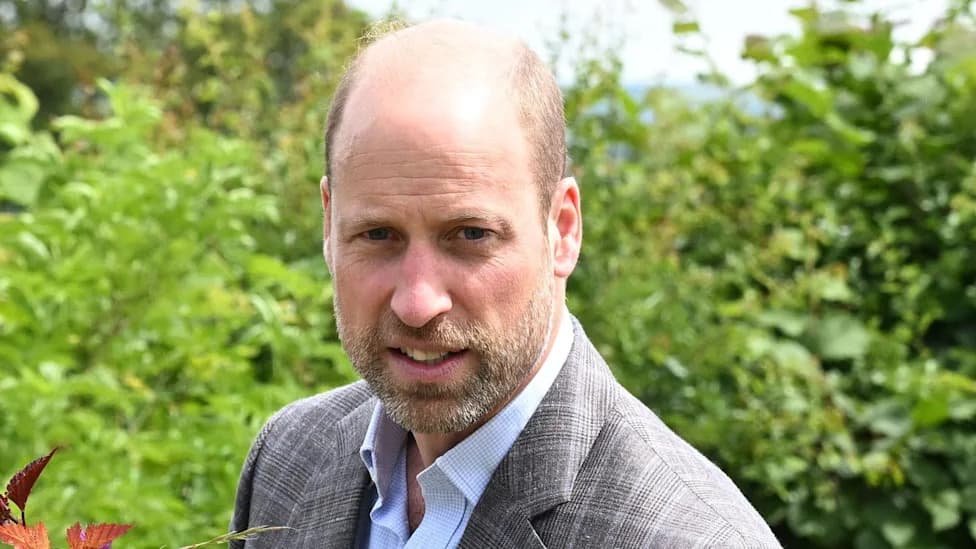
Prince William is expected to make an impassioned speech on Tuesday (Getty Images)
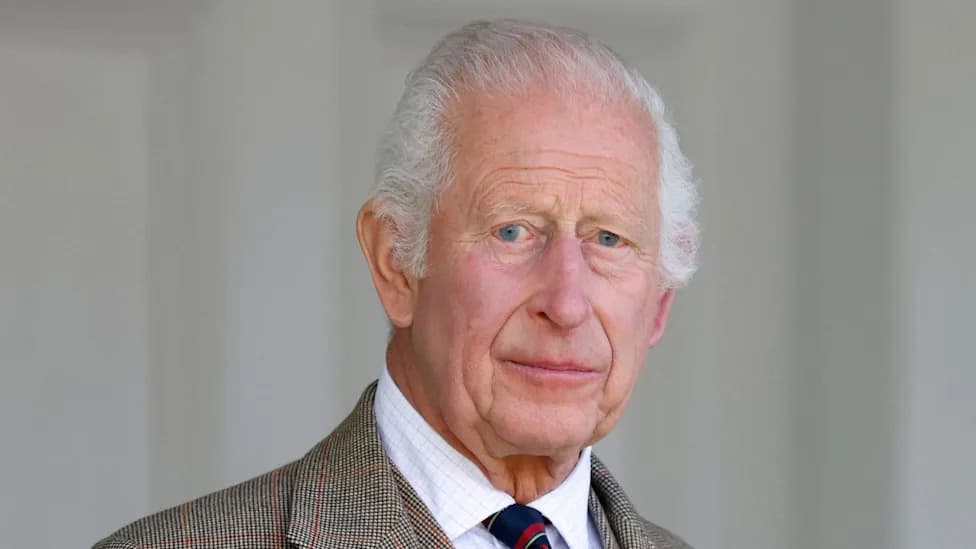
Prince William, 44, received a private income of £21.6 million from the Duchy of Cornwall’s land and property portfolio in 2025–26. As Duke of Cornwall, he also benefits from a legal mechanism under which the Duchy administers unclaimed estates within its geographic area — a process that can result in properties becoming part of the Duchy’s holdings when owners die without a will or known next of kin.

Prince William is the Duke of Cornwall (Getty Images)
Solicitors Farrer & Co, which handles these matters for the Duchy, explains the arrangement on its website:
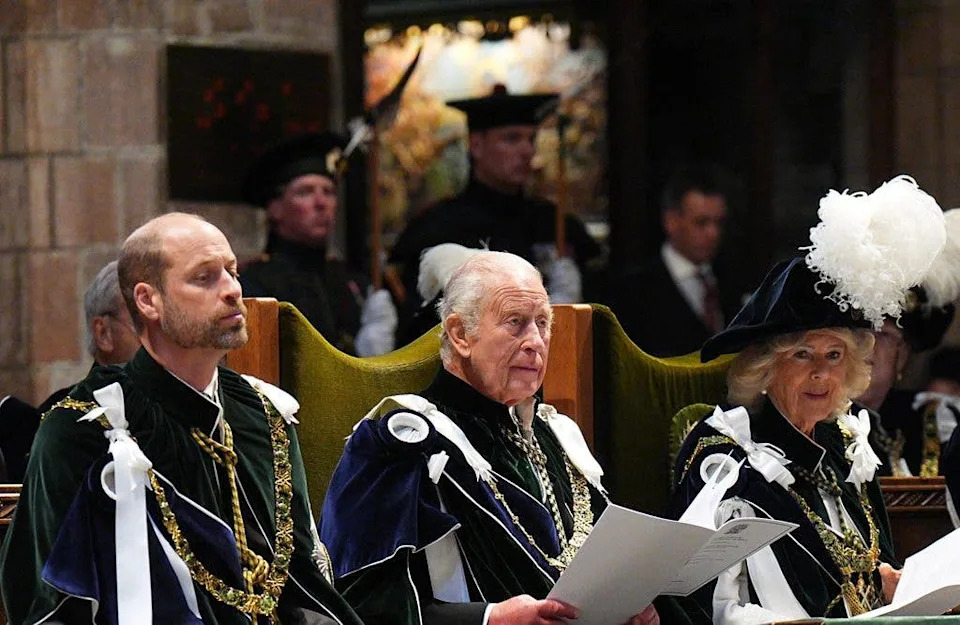
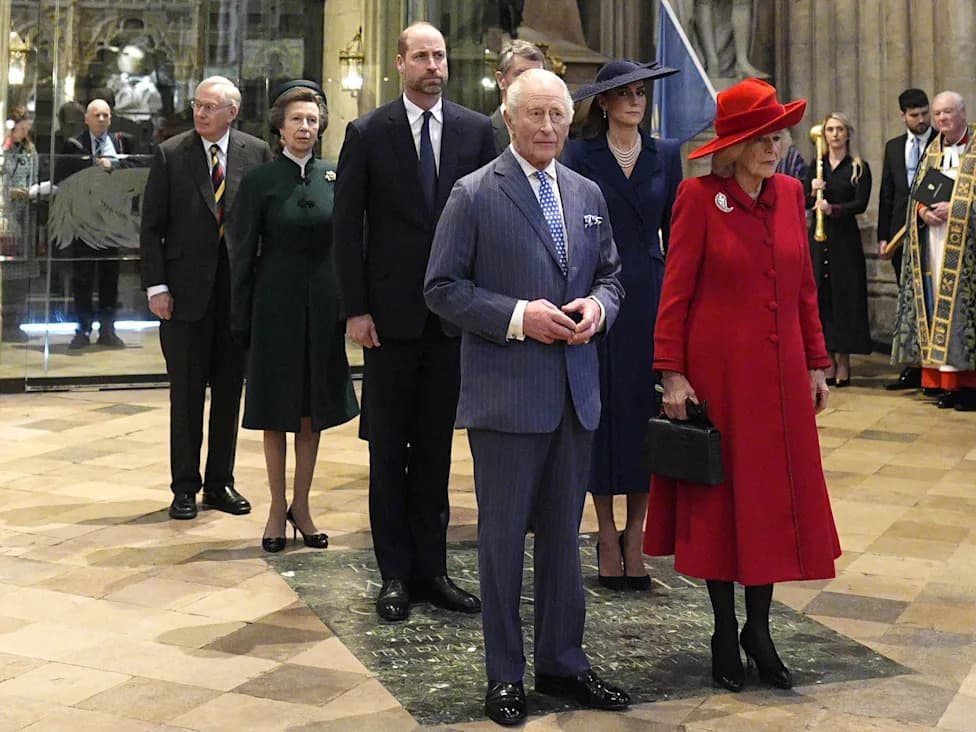
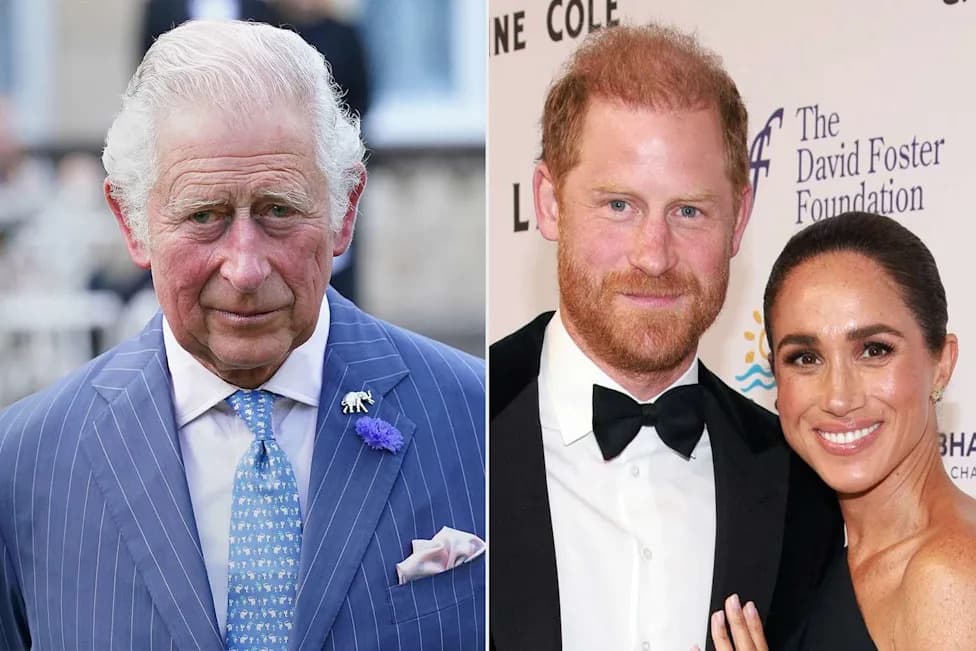
King Charles III and Prince William have disclosed their tax bills (Getty Images)
"When someone dies intestate (without a will) and without relatives entitled to the estate under the intestacy rules (known kin) the Duchies of Lancaster and Cornwall administer the estate if the person's last known address falls within the Duchies' respective geographical jurisdiction."
The legal principle is known as Bona Vacantia — Latin for "vacant goods" — and it can apply to empty homes as well as assets left by dissolved companies. While the process can appear controversial, the Duchy emphasises that the Duke does not personally profit from these cases. According to the Duchy, after any discretionary payments have been made, the remaining funds are donated to charity.

Prince George will take on the role one day (Samir Hussein/WireImage)
The Duchy’s annual accounts also disclose tax information. King Charles made headlines by publishing his tax bill for the first time, paying £12.9 million in the 2024–25 financial year (up from £11.7 million the prior year). For 2025–26, the Duchy’s accounts show Prince William paid £7.76 million in tax — the first time that figure has been made public.
Succession rules tied to the Duchy are historic and automatic: the Duchy’s 1337 charter established that "The Duke of Cornwall is the eldest surviving son of the Sovereign and the Heir to The Throne." When Prince William becomes king, his eldest son, Prince George, will automatically become Duke of Cornwall and assume the Duchy portfolio.
The Duchy’s holdings span 23 counties across England and Wales and include high-profile assets such as the Oval Cricket Ground and around 67,000 acres of Dartmoor. Together, these holdings currently make Prince William one of Britain’s largest private landowners.
What To Take Away: The Duchy administers unclaimed estates under established legal rules; proceeds are, after any discretionary payments, passed to charity; and the Duchy’s income and tax disclosures have recently been made public for senior members of the royal family.
Help us improve.