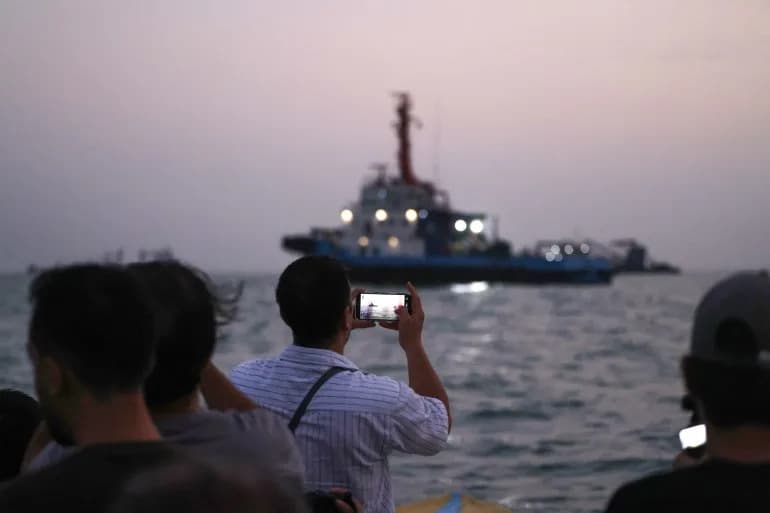
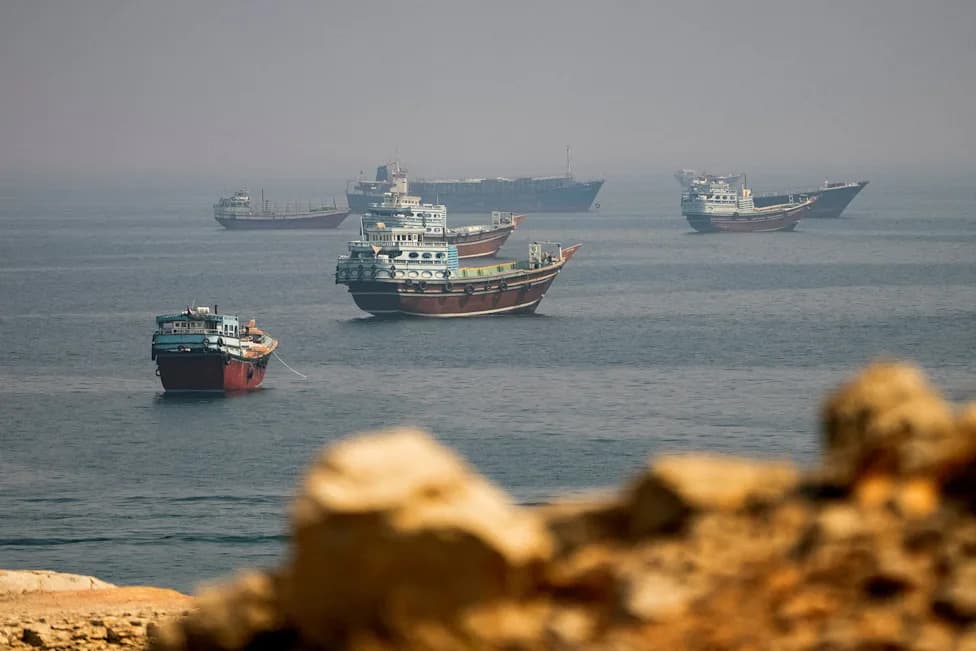
Key Takeaway: US strikes on southern Iranian islands and ports have renewed debate over whether Washington could seize territory to protect shipping through the Strait of Hormuz. Analysts say the US has the tactical means to take small islands, but holding and supplying them would be costly, expose forces to continual attack, and would not eliminate threats launched from the Iranian mainland. Experts warn such a move could escalate into a broader regional conflict and strain ties with Gulf states.
Could the US Seize Iran’s Southern Islands? Military Feasibility, Risks and Regional Impact
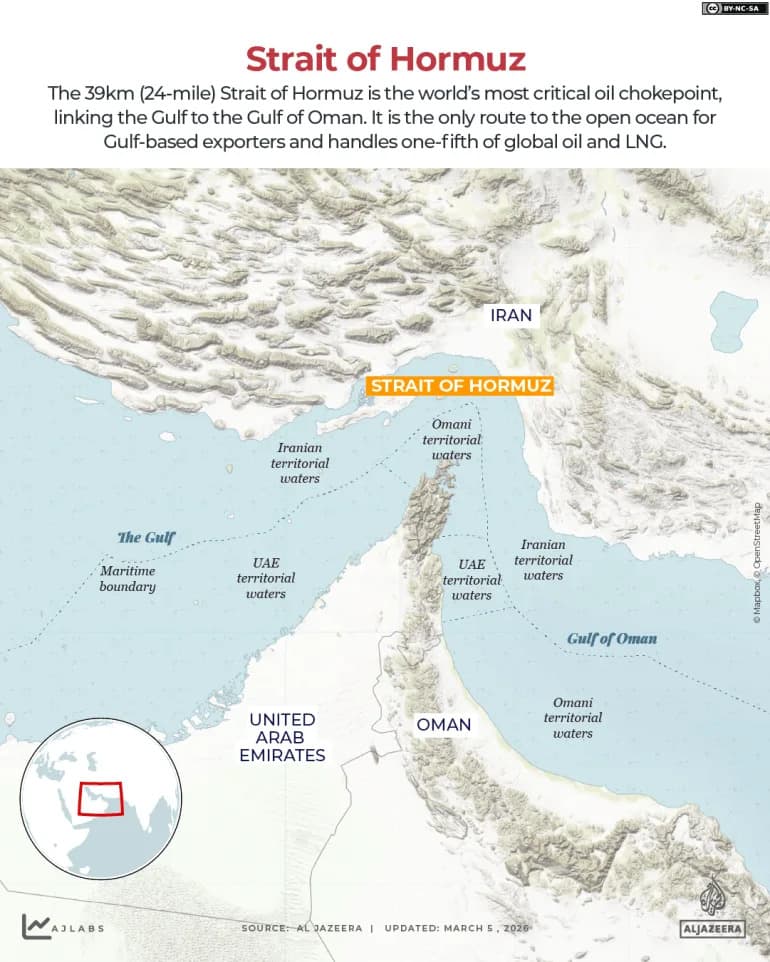
INTERACTIVE - Strait of Hormuz - March 2, 2026-1772714221
United States forces have recently struck Iran’s southern islands — including Qeshm, Kish and Abu Musa — and targeted port cities such as Bandar Abbas. Those strikes have revived a long-standing question: could Washington move to seize Iranian territory in order to secure maritime routes through the Strait of Hormuz?
Background
In March, two unnamed US officials told The Washington Post the Department of Defense had prepared plans for raids on Kharg Island, a critical oil export hub through which roughly 90% of Iran’s crude exports pass. Talk of a seizure receded after a memorandum of understanding was signed on June 17, but the possibility resurfaced when US President Donald Trump declined to rule out such an operation in a Fox News interview.
"I can't say that to you because if I did, it would be foolish," Trump said when asked whether the US might seize Iranian islands.
Military Feasibility
Analysts caution that, "in a narrow tactical sense," the US has the capability to capture small Iranian islands. With sufficient air, naval and amphibious assets — and a willingness to accept further escalation — limited seizures are technically possible. The US currently stations an estimated 50,000 personnel across the Middle East at a mix of large bases and forward sites.
Logistics, Sustainment and Vulnerabilities
Experts stress that temporarily seizing an island is far easier than holding and sustaining it. Andreas Krieg, associate professor in security studies at King’s College London, estimates a limited island seizure would likely require an initial force of at least 5,000–10,000 personnel once combat troops, air defence, engineers, logistics, medical support and command elements are included. Those forces would need continuous protection: supply ships and helicopters transiting waters threatened by missiles, drones, mines and small-boat swarms would be vulnerable to persistent attack.
Why Seizing Islands Might Fail To Secure the Strait
Seizing islands would not necessarily prevent Iran from disrupting shipping. Much of Iran’s strike capability — including mobile missile batteries, drones and coastal artillery — can be operated from the mainland. Permanently neutralising those threats would likely require strikes or occupation along a broad stretch of Iran’s southern coast, which would transform an island operation into a much larger ground campaign.
Political and Regional Costs
Beyond battlefield considerations, analysts warn of severe political blowback. Occupying Iranian territory would provide Tehran with a powerful narrative of foreign occupation, likely prompt intensified mining of the strait, and could lead to stepped-up attacks on vessels, regional US bases and energy infrastructure. The operation could also strain relations with Gulf states that want shipping restored but fear becoming staging grounds or targets.
Expert Perspectives
Nader Hashemi, a professor of Middle East politics at Georgetown University, argued that while the US possesses overwhelming military power, the political, human and regional costs make such an operation highly unlikely. Krieg emphasises the central weakness of the concept: the demand for sustained suppression of Iranian defences and the high logistical burden of maintaining exposed garrisons.
Conclusion
While US forces could likely seize certain small islands in the short term, doing so would demand substantial manpower, continuous protection and a sustained campaign to suppress mainland-launch capabilities. Analysts conclude that island seizures risk turning a dispute over freedom of navigation into a prolonged territorial conflict, drawing Washington toward the extended ground commitments it seeks to avoid.
Help us improve.