Labour’s public crusade against foreign donations looks hypocritical when measured against its historic, institutional ties to trade unions. The Representation of the People Bill addresses foreign funding but ignores the unions’ influence, even as the Employment Rights Act introduces longer strike mandates and removes turnout thresholds that materially benefit unions. While Reform UK’s crypto-linked donors warrant scrutiny, alignment between money and policy is not proof of corruption. Labour may tighten foreign-donation rules, but it must also confront entrenched domestic donor relationships.
Labour's Crackdown On Reform's Donors Rings Hollow Amid Deep Union Ties

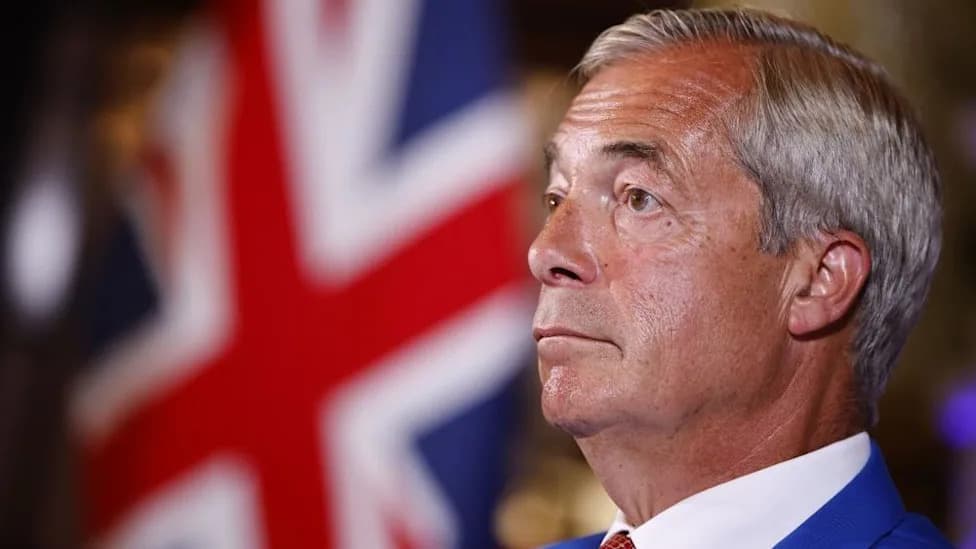
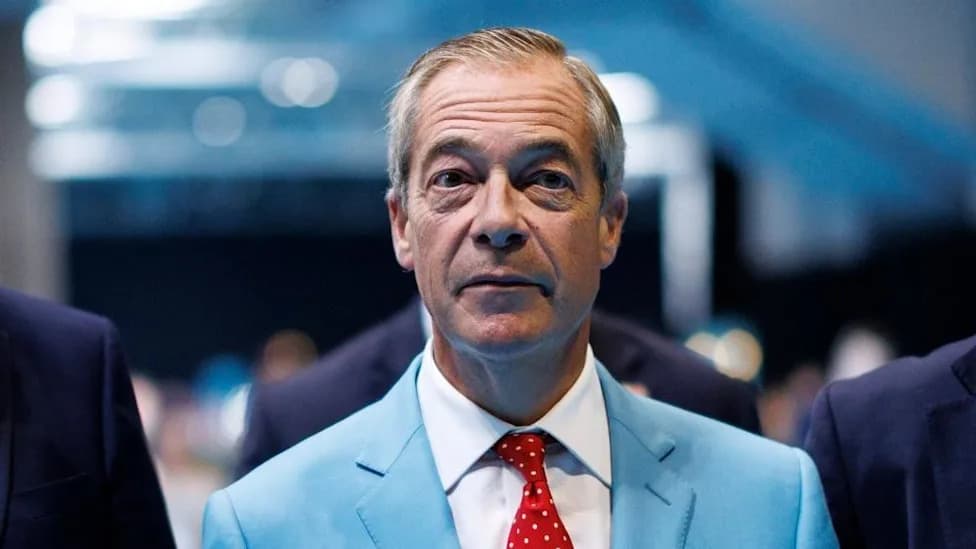
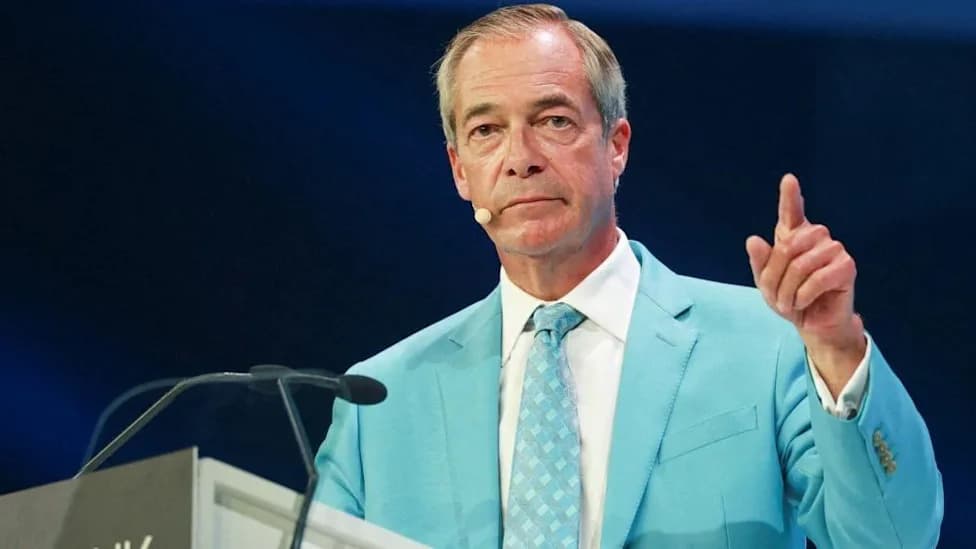
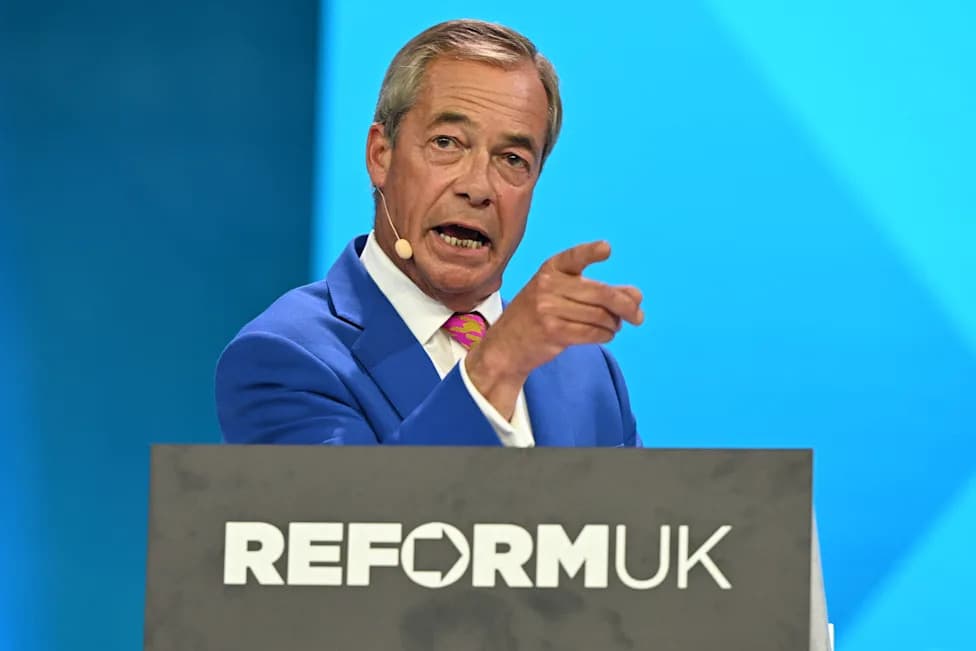
Nigel Farage's party has probably become too dependent on a handful of wealthy donors - Christopher Furlong
Whatever your view of cryptocurrency or of the roughly £9m Christopher Harborne gave to Reform UK last August, Labour’s theatrical framing of a clampdown on foreign donations as a matter of “democratic hygiene” deserves scrutiny.
Ministers insist that “British democracy is not for sale,” yet the public is unlikely to forget that Labour accepted about £4m from Quadrature Capital — a UK-registered hedge fund with money routed via the Cayman Islands — just days after the 2024 general election was called. That solemn defence of electoral integrity also sounds oddly thin compared with the party’s relatively muted response to long-standing concerns about vulnerabilities in the postal voting system.
Why The Bill Feels Incomplete
There are several legitimate objections to Labour’s Representation of the People Bill, which has been deferred until the autumn. Critics highlight proposals such as lowering the voting age to 16. But the Bill also fails to confront what may be the most consequential donor–interest nexus in modern British politics: the party’s institutional relationship with trade unions.

Christopher Harborne donated £9m to Nigel Farage's Reform UK last August - John Nguyen/JNVisuals
Trade unions donated roughly £5.6m to Labour’s 2024 campaign. Over the past 25 years the party has received about £52m from Unite, £44m from Unison and £39m from the GMB. More than half of Labour MPs receive some union financial support, and many served as union officials earlier in their careers. The government those unions helped install then passed legislation that directly strengthens union influence at work — through easier recruitment, statutory recognition and expanded rights to take industrial action.
How Recent Legislative Changes Helped
The Employment Rights Act does more than reform unfair dismissal rules, curb zero‑hours contracts and widen flexible working. It includes measures that materially benefit unions' institutional interests.
Key changes now in force include:

NHS consultants are seeking a £16,000 pay rise and a 35-hour working week - Rasid Necati Aslim/Anadolu
- A successful strike ballot now provides a mandate lasting 12 months rather than six, enabling unions to sustain disputes for twice as long without seeking fresh member approval.
- The statutory 50% turnout threshold for lawful industrial-action ballots is being abolished, so a strike can proceed if a majority of ballots cast back it, regardless of overall turnout in the eligible bargaining unit.
These changes are already shaping disputes. NHS consultants are pressing for a £16,000 pay rise and a 35-hour working week and could pursue a year-long dispute on a single mandate. Specialist, associate specialist and speciality doctors recently voted 90% in favour of industrial action with turnout at 43% — a result that would previously have been insufficient but soon will be enough under the new rules.
Balance And Boundaries
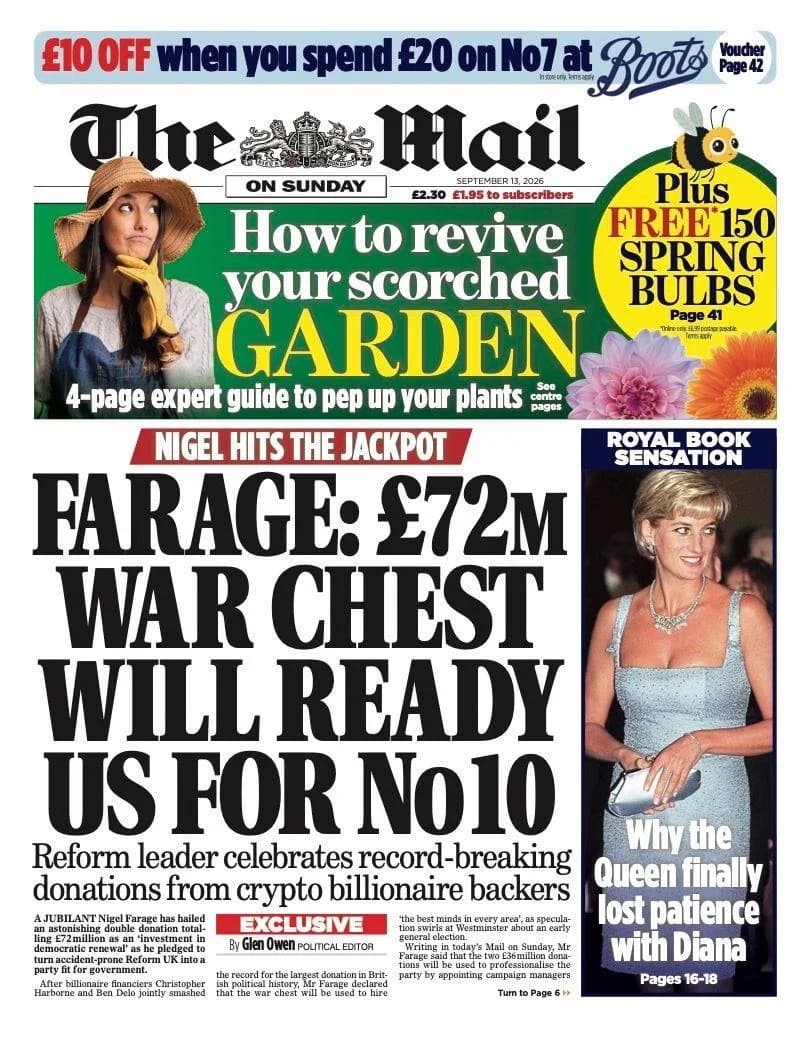
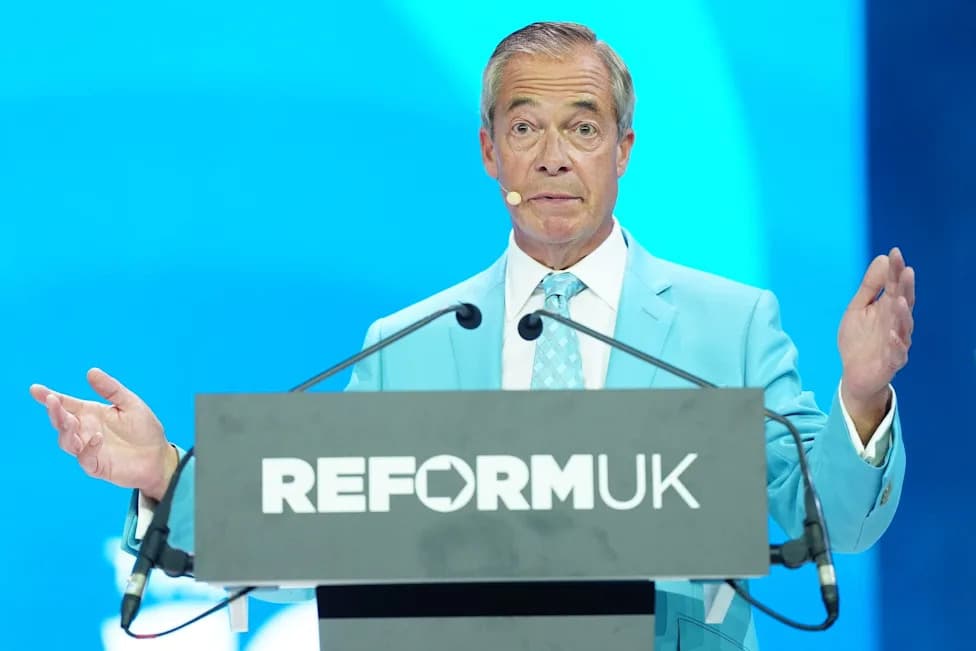
None of this excuses a lack of scrutiny of other parties’ finances. Reform UK has become heavily reliant on a small number of wealthy backers. Nigel Farage personally holds cryptocurrency; the party has accepted donations from figures with clear interests in the industry and champions policies sympathetic to it. But policy alignment between donors and a party does not, by itself, prove that money bought policy.
It is conceivable that crypto deregulation would be a priority for Reform if it reached government — as deregulation has been for other pro-crypto leaders elsewhere. Yet a Reform administration would likely face constrained political capital, few allies in the House of Lords and immediate pressure to deliver on high-profile immigration promises. Investors expecting an instant, single-minded push for crypto-friendly laws might be disappointed.
What Should Happen Next
Labour is entitled — and obliged — to close genuine loopholes in the political-finance system, and to confront covert foreign interference or money beyond the reach of UK law. But the party should be cautious about implying that alignment between donors’ interests and party policy is ipso facto evidence of impropriety when its own relationship with some of its biggest donors is more intimate, institutionalised and longer-standing than most other donor ties in British politics.
Transparency, consistent standards and public confidence require measures that address both foreign donation risks and entrenched domestic funding arrangements.
Labour can and should tighten rules on foreign donations. It should also be prepared to explain and, where necessary, reform how domestic institutional donors are regulated and how their influence on policy is made transparent.
Help us improve.