House builders and housing associations are urging a major overhaul of Wales' planning system, saying lengthy approvals and rising costs are slowing delivery of new homes. A Tonypandy scheme of 51 flats took about seven years from land purchase to occupation. The Welsh Government has pledged 20,000 additional social homes by 2030 and added £20m, but industry groups say funding must rise and planning times cut from 3–5 years to 1–2 years to meet targets. A new national agency, Unnos, will be set up to help with planning, land and funding.
Wales' Planning Rules 'Choke' Homebuilding — Industry Urges Overhaul To Hit 20,000 Social Homes By 2030
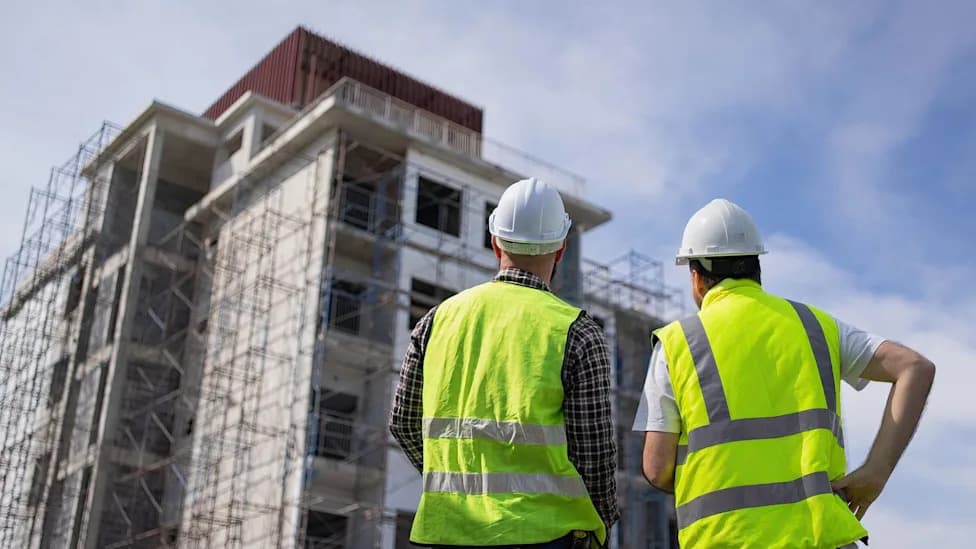
Reforming planning laws and extra cash to meet a hike in costs are needed to hit building targets, organisations say [Getty Images]
House builders and housing associations across Wales are warning that the country's planning system is causing long delays and higher costs that are preventing homes from being built fast enough. Industry leaders say the planning regime needs a comprehensive overhaul so schemes can move from approval to completion more quickly.
Long Delays Hamper Projects
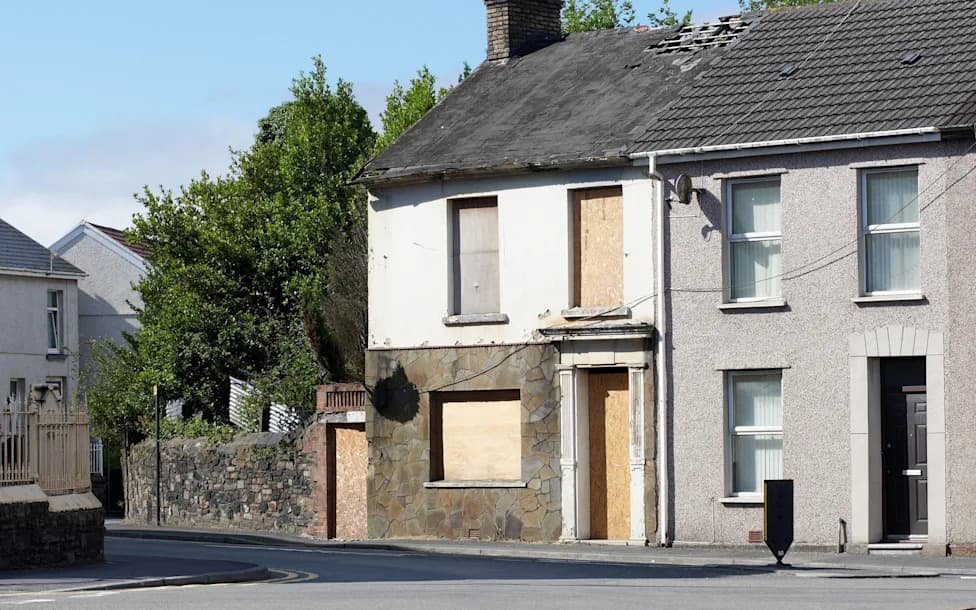
Beacon Cymru pointed to a local example in Tonypandy, Rhondda Cynon Taf, where 51 new apartments on the former Big Shed site will welcome tenants about seven years after the land was acquired. The housing association says such delays are widespread and add substantial time and cost to developments.

Luke Takeuchi says planning laws need to be revised in order to speed up development [BBC]
"We understand that there are resource pressures, but when you look at the time constraints and the delays – we need a system that is more cohesive, more efficient and is getting these applications such as the Big Shed through quicker," said Luke Takeuchi, chief executive of Beacon Cymru.
Scale Of The Challenge
The Welsh Government estimates around 9,400 more homes are needed for people without a permanent place to live, and that roughly 8,700 additional homes of all types will be required each year up to 2030. Yet the latest official figures, published on 9 July, show just 5,159 homes were completed in the last year — an 11% increase on the prior year but still well below pre-pandemic levels.
Industry spokespeople blame planning delays for much of the shortfall. Matthew Davies, a Pontypridd-based builder and spokesperson for the Home Builders Federation, said: "There is land availability to meet the target, but the planning system needs a complete overhaul eventually. A planning application is taking between three and five years. That needs to be reduced to one to two years in order to achieve this target."
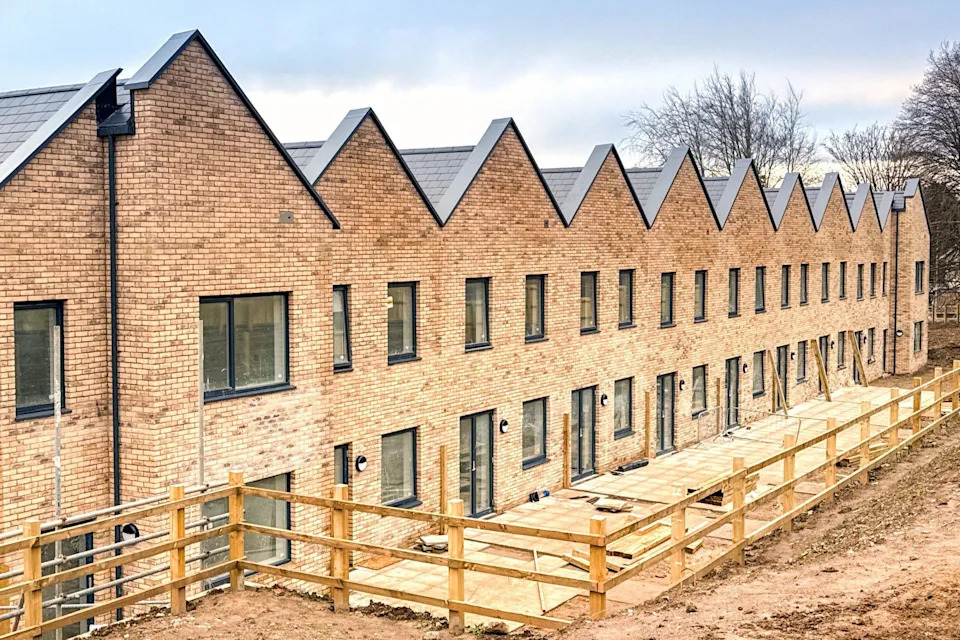
Social housing developments like these near Bridgend town centre are funded by the Welsh government [Getty Images]
Funding Pressures And Rising Costs
Delivering social housing has become more expensive. Audit Wales reports the government grant required per home rose 75% in four years — from £93,000 to £163,000 — while more than £2bn of Welsh Government funding was spent on social housing in the last Senedd term. Community Housing Cymru's deputy chief executive, Clarissa Corbisiero, warned that higher costs mean the Welsh Government must allocate more funding and adopt a long-term plan to tackle the housing emergency.
"We would like to see the government look at the money it puts towards housing in the budget later this year. The cost of delivering homes has gone up. We would like to see the budget settlement reflect that," Corbisiero said.
Government Response And Next Steps
Housing Minister Sian Gwenllian has described the situation as a "housing crisis" and pledged to work "relentlessly" to reach the 20,000 additional social homes target by 2030. The Welsh Government says it has backed the commitment with an additional £20m in the draft supplementary budget and will publish more detail on how progress will be measured.
To speed delivery, the government plans to create a national agency called Unnos to assist councils and housing associations with planning applications, identify land and help secure funding for projects.
The challenge, industry leaders say, is twofold: reform the planning system so approvals and delivery are faster, and ensure budgets reflect the rising costs of construction and higher building standards.
Help us improve.