The Archbishop of Canterbury’s Holy Land pilgrimage drew attention to Palestinian Christian hardship and called for an end to the occupation and a two-state solution. International assessments note Israel’s legal protections for religious freedom, while Open Doors ranks the Palestinian Territories — not Israel — among places where Christians face significant persecution. Critics argue the Archbishop should have presented a more balanced message that acknowledged both Israeli failings and the acute threats posed by local repression and Islamist extremism.
Why the Archbishop’s Holy Land Pilgrimage Missed Key Context on Christian Persecution
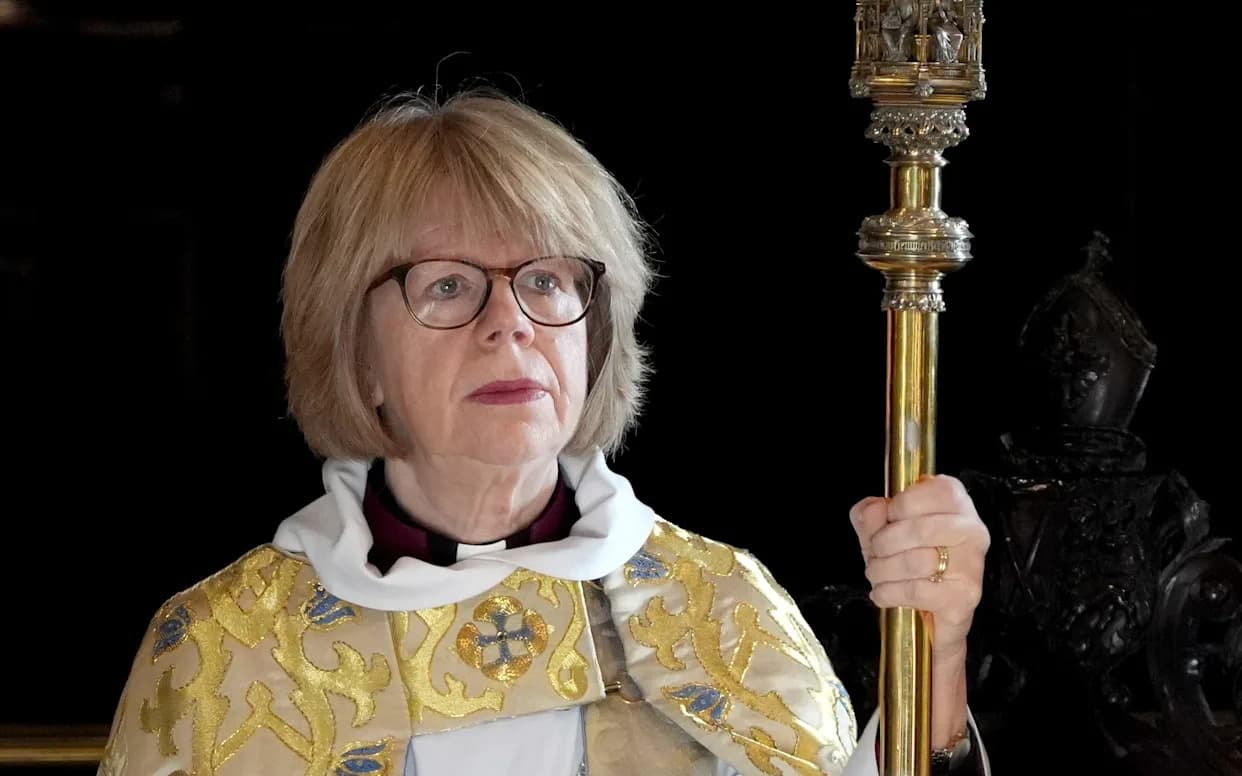
Sarah Mullally is falling victim to trendy bigotry - Gareth Fuller/PA Wire
Which Middle Eastern country offers Christians the strongest legal protections and the lowest risk of state-sponsored persecution? Where do believers generally enjoy the greatest security and the best prospects to flourish? According to major international reports, the straightforward answer is Israel.
Legal Protections And International Assessments
The U.S. State Department’s annual report on international religious freedom notes that Israel’s laws and Supreme Court rulings protect freedom of conscience, faith, religion and worship regardless of religious affiliation, and criminalise actions that desecrate religious sites or block worshippers from access. Other research bodies, including the Pew Research Center, reach similar conclusions about Israel’s formal legal protections for religious minorities.
How The Pilgrimage Played Out
The new Archbishop of Canterbury’s recent pilgrimage to the Holy Land drew attention primarily to the hardships faced by Palestinian Christians. Her itinerary included multiple engagements highlighting Palestinian grievances, and many of those encounters were widely shared on social media. At the conclusion of her visit she published an open letter urging an end to the “occupation” and calling for a “viable two-state solution” with Jerusalem as a “shared capital.”
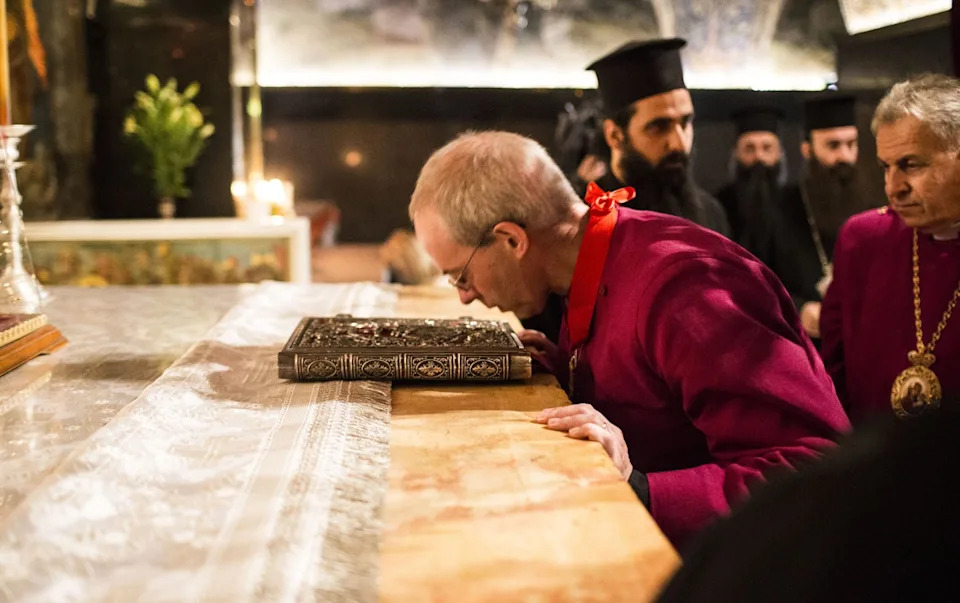
Justin Welby met with Israeli and Palestinian leaders during his tour of the Holy Land - Ilia Yefimovich/Getty Images
Context That Was Largely Absent
That political call would have been stronger if it had acknowledged some important historical and political context. For example, offers resembling a two-state compromise with shared arrangements for Jerusalem have been made in the past and were rejected by Palestinian negotiators — a widely reported instance being the 2008 proposal from Ehud Olmert.
Likewise, the Archbishop’s letter described an “indigenous Christian Palestinian presence in the Holy Land.” The long, complex history of the region includes Jewish, Christian and Muslim communities over many centuries; careful use of historical terms matters when they are deployed in contemporary political debates.
Persecution In The Palestinian Territories
Independent monitors note that the most acute threats to Christians in the Palestinian Territories come from non-state attitudes and pressures as well as abuses by local authorities. Open Doors’ World Watch List excludes Israel from its 2026 list of the most dangerous places for Christians but places the Palestinian Territories at 62 in its 2025 ranking. Open Doors reports that Christians in some parts of the Palestinian Territories face social hostility, legal and social pressure, and threats toward converts from Islam to Christianity. The charity also recorded a widely reported case of a young woman allegedly killed by relatives after converting; such incidents, when verified, are an important part of the wider picture.
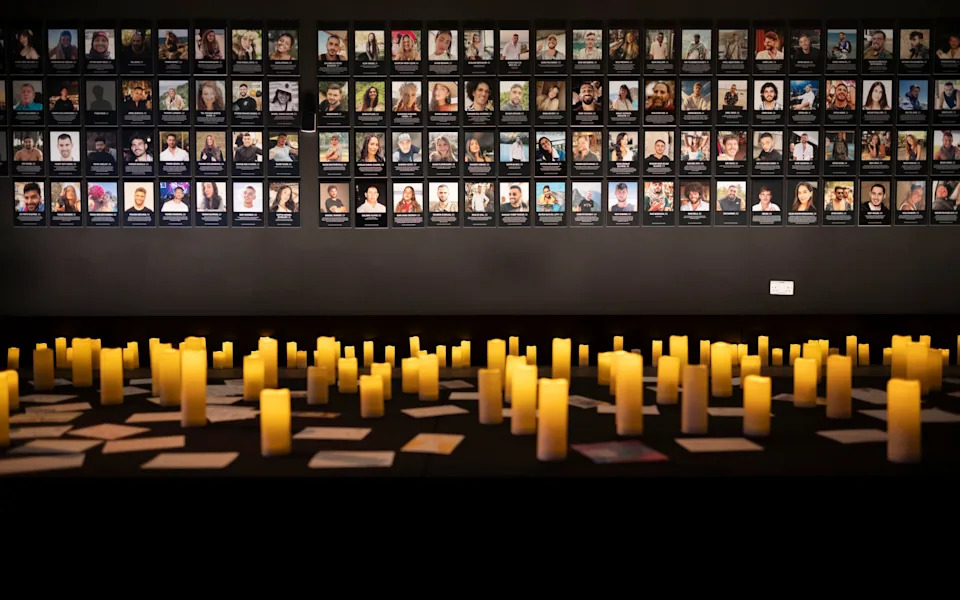
The Archbishop visited an exhibition in London about the October 7 massacres at the Nova music festival - Jeff Gilbert
Security, Extremism And Comparative Threats
It is also important to situate these problems within the broader regional context. Checkpoints and other security measures imposed by Israel can make daily life more difficult for Palestinians — and they do have consequences for civilians. At the same time, Islamist extremism remains the single greatest source of violent persecution of Christians in many parts of the world, from attacks in Nigeria and Pakistan to the Easter 2019 bombings in Sri Lanka that killed hundreds.
What Was Missing From The Archbishop’s Message
Critics argue that the Archbishop’s public focus on Israel’s shortcomings gave short shrift to both the threats faced by Christians across the Palestinian Territories and the role Israel plays in confronting armed jihadist groups that threaten Christians regionally. A balanced pastoral and moral response, some observers say, would simultaneously acknowledge Israeli failings, highlight abuses by Palestinian authorities and non-state actors, and condemn Islamist and other violent groups wherever they appear.
“Woe to you, teachers of the law and Pharisees, you hypocrites!” — Matthew 23. Religious leaders, the passage warns, risk misleading their flocks when politics eclipses truth. For many commentators, the Archbishop’s pilgrimage risked doing precisely that.
Conclusion
The Archbishop’s visit re-centred important concerns about Palestinian Christians’ welfare. But a fuller picture — one that recognises Israel’s legal protections, the documented risks within the Palestinian Territories, and the existential threat posed by Islamist extremism to Christians across the region — would have made her message both stronger and more persuasive. If the Church wishes to be a credible moral voice, it should name abuses wherever they occur and promote constructive steps to protect vulnerable communities.
Help us improve.