
Iran has scheduled the burial of Supreme Leader Ayatollah Ali Khamenei for July 9 in Mashhad, where he will be laid to rest beside the shrine of Imam Reza. Mourning ceremonies will also take place in Tehran and Qom, and authorities declared five holidays as millions are expected. The attendance and condition of his son and designated successor, Mojtaba—seriously injured in the same February 28 attack—remain uncertain.
Iran Confirms July 9 Burial For Khamenei; Millions Expected As Questions Linger Over Successor
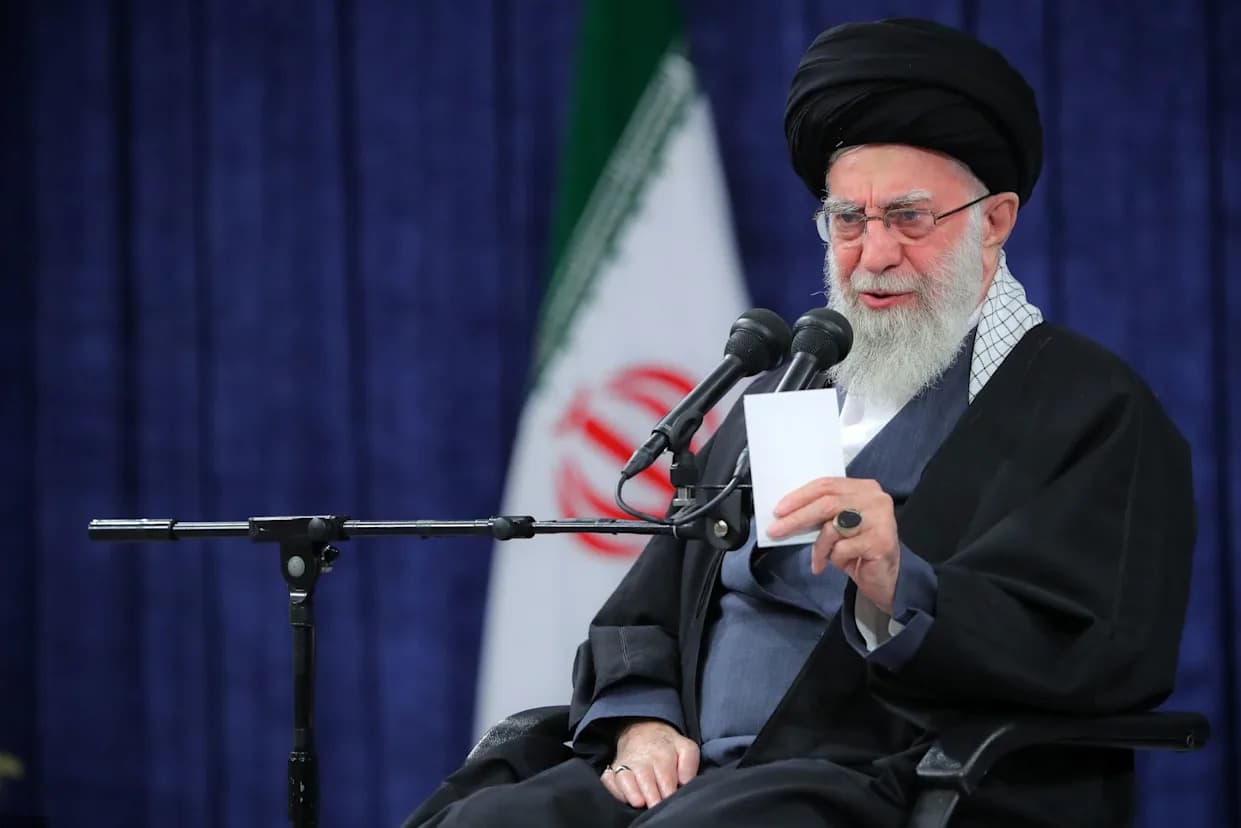
FILE PHOTO - Iranian Supreme Leader Ayatollah Ali Khamenei speaks during a meeting with Iranian Air Force commanders. (is associated with: «Iran to hold Khamenei burial on July 9, four months after death») -/Iranian Supreme leader's Office/dpa
Iran will hold the funeral of Supreme Leader Ayatollah Ali Khamenei on July 9, state officials announced, nearly four months after he was killed in an Israeli airstrike on February 28.
Funeral Plans and Locations
Vice President Mohammad Reza Aref told state news agency IRNA that Khamenei will be buried in his birthplace, Mashhad, beside the shrine of the eighth Shiite imam, Imam Reza. Mourning ceremonies will also be held in Tehran and in the Shiite pilgrimage city of Qom in the days leading up to the burial. Authorities have declared a total of five public holidays across the three cities as officials expect millions of mourners to attend.
Delays, Security Concerns and Context
Khamenei, who was 86, died at his official residence in Tehran during what Iranian officials described as the first wave of Israeli and US attacks. His funeral had been scheduled earlier but was repeatedly postponed for security reasons, in part because the attendance of the country's top political leadership posed logistical and safety challenges.
Uncertainty Over the Successor
It remains unclear whether Khamenei's 56-year-old son and designated successor, Mojtaba, who was seriously injured in the same attack, will attend the burial. Mojtaba was named Iran's new leader a week after his father's death but has not appeared in public since, prompting speculation about his condition and, in some quarters, his survival.
Source: Vice President Mohammad Reza Aref via IRNA.
Authorities have so far provided limited public details about the security preparations for the ceremonies. International reactions to the July 9 burial are likely to be closely watched, given the broader regional tensions that followed the February strikes.
Help us improve.





















