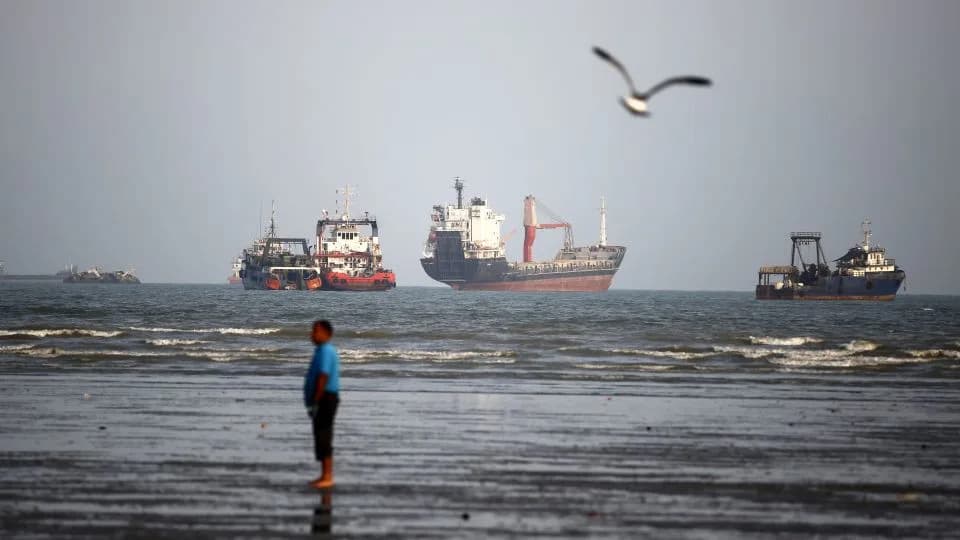
The IMO will evacuate more than 11,000 seafarers stranded in the Middle East after a US–Iran agreement to end hostilities and reopen the Strait of Hormuz. The operation will be coordinated with Iran, Oman, other Gulf states, the United States and the global shipping industry. Security guarantees have been secured and maritime conditions reviewed. The agency condemned attacks on civilian ships and honored the 14 sailors killed since the conflict began on February 28.
IMO to Evacuate Over 11,000 Seafarers From Middle East After US–Iran Agreement
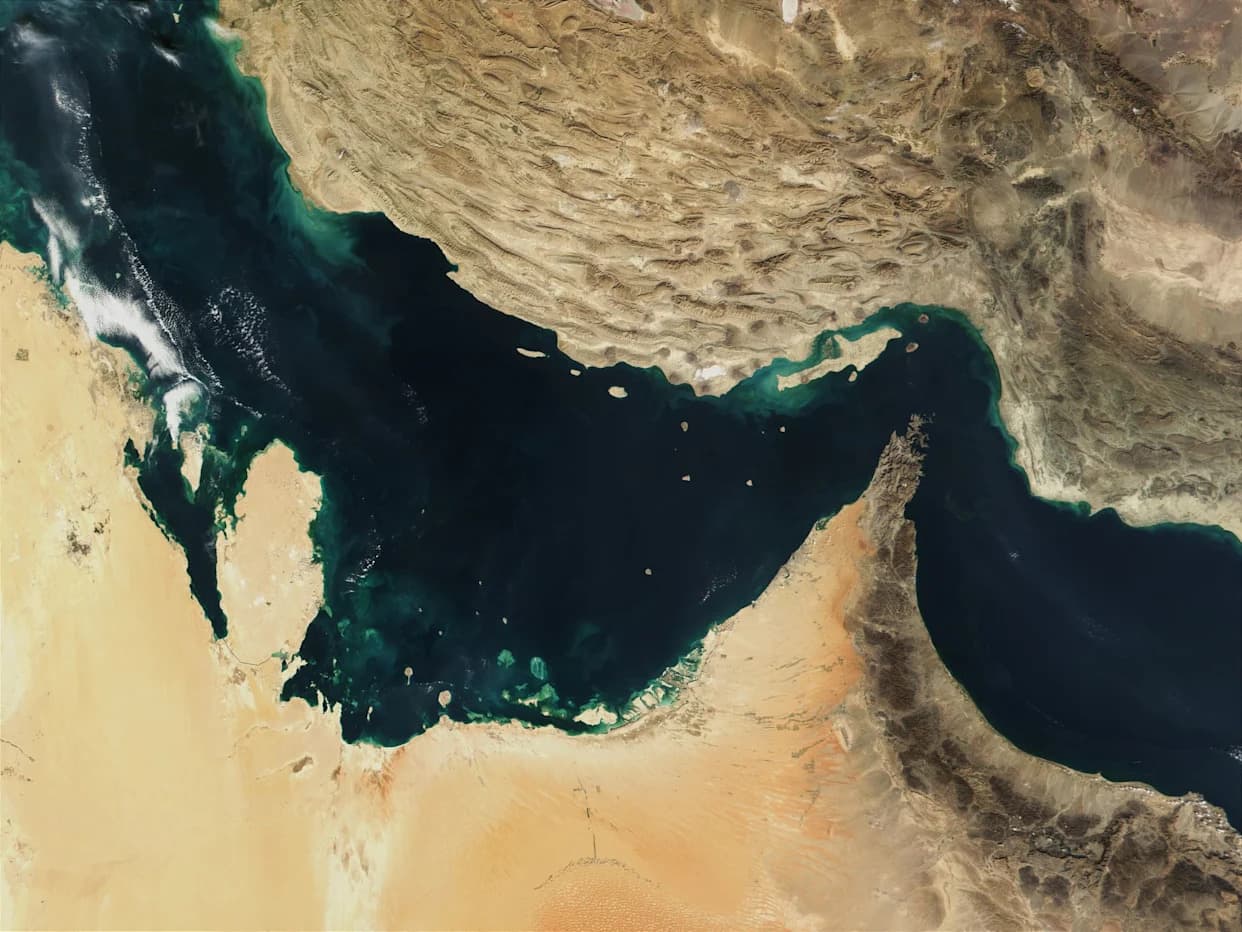
FILE PHOTO - An undated handout satellite picture provided by the National Aeronautics and Space Administration (NASA) the Arabian Gulf (Persian Gulf), the Strait of Hormuz, and the Gulf of Oman. US and Iran are expected to sign a deal to end the war between them and to reopen the Strait of Hormuz (is associated with: «UN maritime agency to evacuate 11,000 seafarers from Middle East») -/The Visible Earth/NASA/dpa
The International Maritime Organization (IMO) has announced plans to evacuate more than 11,000 seafarers stranded in the Middle East following an agreement between the United States and Iran to end hostilities and reopen the Strait of Hormuz.
“We will begin the implementation of the evacuation plan for over 11,000 seafarers still stranded in the region,” IMO Secretary-General Arsenio Dominguez said.
The large-scale operation will be conducted in close cooperation with Iran, Oman and other Gulf states, alongside the United States and the global shipping industry, the London-based UN agency said. The IMO emphasized that necessary security guarantees have been obtained and that maritime security conditions supporting the operation have been thoroughly reviewed.
Dominguez strongly condemned recent attacks on civilian vessels and paid tribute to the 14 sailors who lost their lives during the conflict, which began on February 28. The IMO said the evacuation effort aims to prioritize the safety and welfare of crew members while restoring normal maritime operations in the region.
Further logistical details, including timelines and transport arrangements, are expected as the operation moves from planning into implementation with partner states and industry stakeholders.
Help us improve.