Key developments: Israeli officials publicly challenged the 1997 Hebron Accords and reported "creeping" expansion of control in Gaza, which some estimates place at about 64% of the territory. Post-ceasefire Gaza deaths exceeded 1,000 and hospitals face critical shortages amid severely underfunded relief efforts. Settler attacks on mosques and water infrastructure continued, while international criticism and limited policy responses increased.
Palestine Weekly: Israel’s 'Quiet' Annexation Accelerates — Hebron, Gaza and a Deepening Humanitarian Crisis
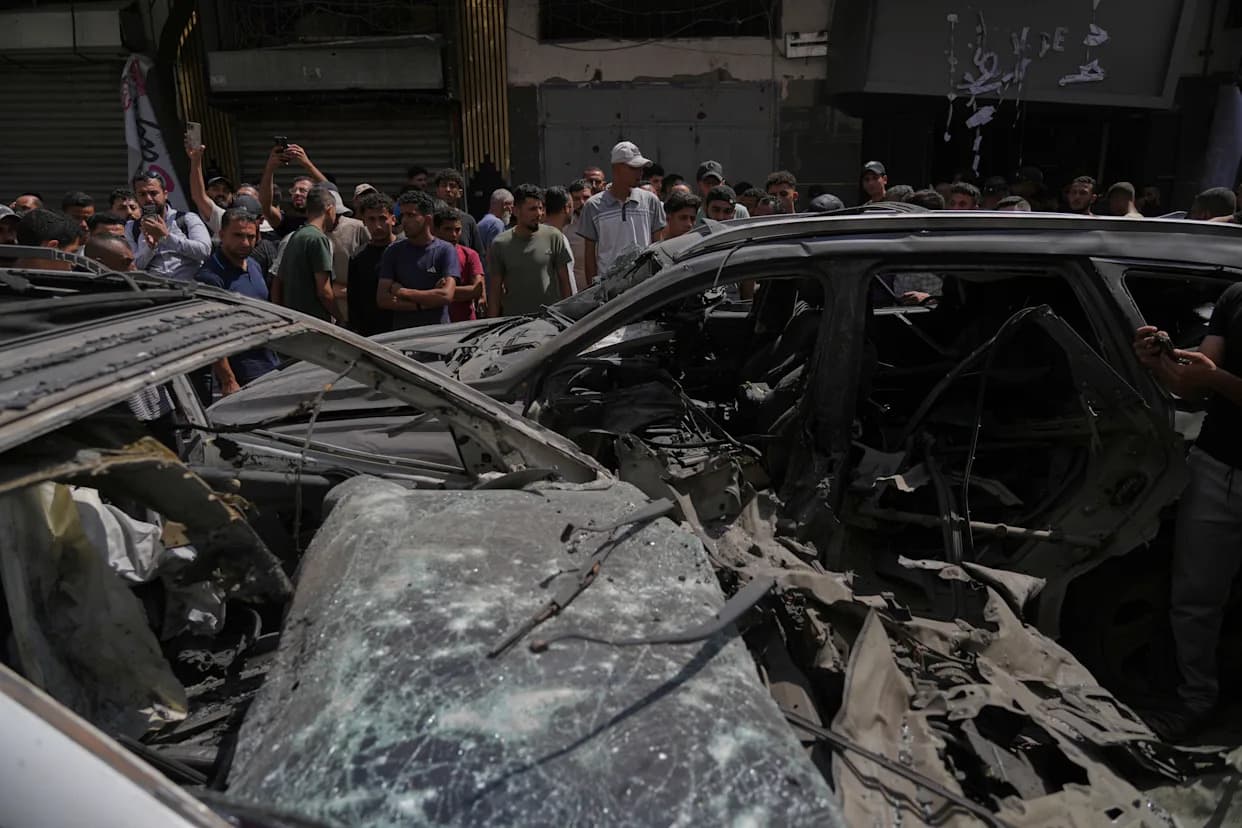
Palestinians inspect damaged vehicles following an Israeli air strike in Gaza City, Monday, June 22, 2026 [Jehad Alshrafi/AP]
This week saw previously informal Israeli measures to extend control over Palestinian land become more explicit in both the West Bank and Gaza, even as international criticism intensified and humanitarian conditions deteriorated.
Hebron: A Public Challenge To The 1997 Accords
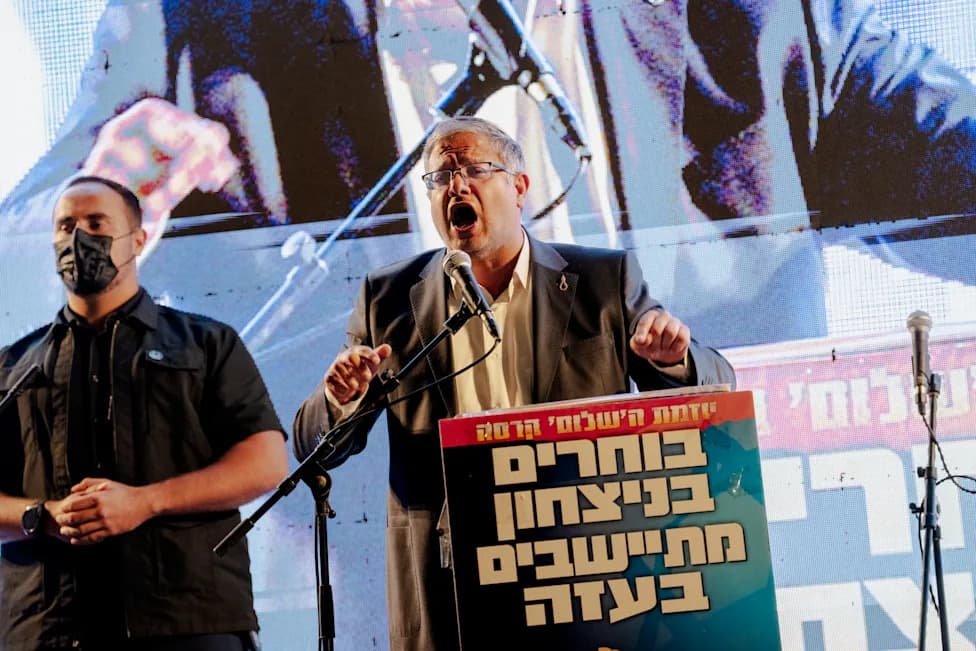
At the inauguration of the new Doran settlement in Hebron, Finance Minister Bezalel Smotrich said he had "cancelled" the 1997 Hebron Agreement, asserting Israeli planning authority over the H2 zone that includes Israeli settlements and the Ibrahimi Mosque. The Israeli Foreign Ministry later partially walked back the claim, saying the accords themselves were not revoked but that a prior cabinet decision had transferred certain planning powers over Jewish communities and holy sites. The Palestinian Authority called the move illegal, the Organisation of Islamic Cooperation warned it undermines Hebron's status, and the US State Department said it "does not support Israel annexing the West Bank."
Gaza: 'Creeping' Annexation And Civilian Casualties
Israeli media reported that, after the US administration blocked a broader ground offensive, Israeli officials adopted a policy described internally as "creeping" or "quiet" annexation — expanding control westward beyond previous lines through periodic unannounced incursions. The Palestinian Centre for Human Rights estimates Israeli forces now control roughly 64% of Gaza, up from about 53% envisioned under the October 10 ceasefire arrangements.
Violence continued despite the nominal ceasefire. The Gaza Health Ministry's post-ceasefire death toll passed 1,000 on June 17 and reached 1,024 by June 22, while cumulative deaths since October 2023 have surpassed 73,000. Briefing the UN Security Council on June 18, UN relief chief Tom Fletcher said more than 250 of the post-ceasefire fatalities were children.
On June 20, strikes killed members of the Safadi family in Gaza City, including two children; witnesses and Al Jazeera reporters said the area had received no prior warning. A separate strike in al-Bureij killed three members of the Abu Hasna family, including Al Jazeera Mubasher cameraman Ahmad Wishah, the network's 12th staffer killed in Gaza since October 2023. Al Jazeera rejected an Israeli military claim that Wishah was a militant and called for an independent investigation. The Committee to Protect Journalists reports scores of media workers have been killed in the conflict.
West Bank: Military Footprint And Settlement Expansion
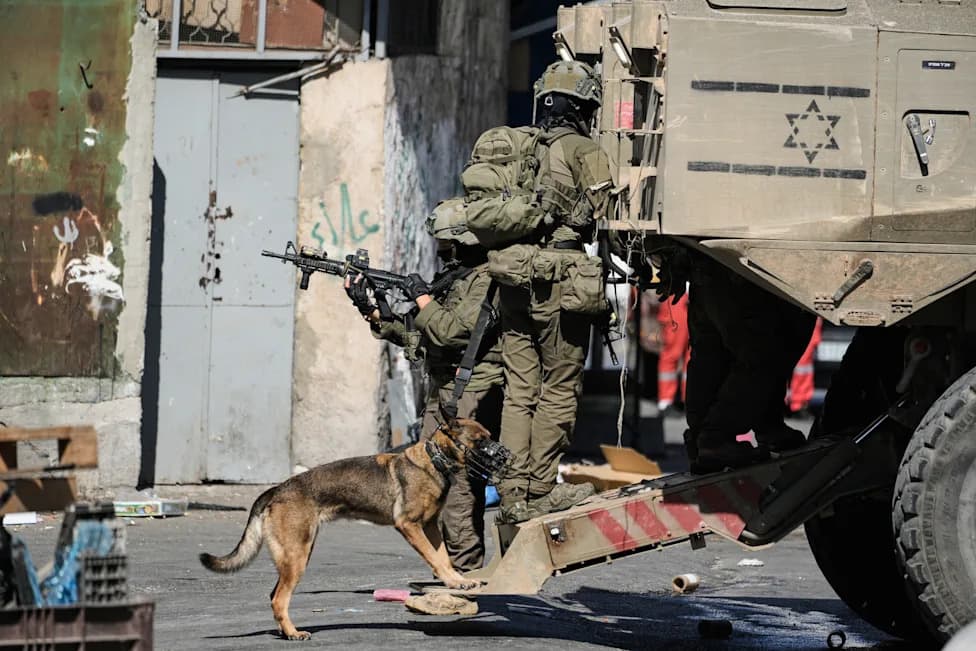
On the West Bank front, the Israeli army said it was erecting its first permanent post inside Area A — territory nominally under full Palestinian administrative control since the Oslo period — and bulldozers were reported preparing a military base. In the northern Jordan Valley, work advanced on the so-called "Crimson Thread" barrier after the Israeli Supreme Court lifted an injunction. In a simultaneous, seemingly contradictory set of actions, hundreds of Israeli border police demolished homes at four settler outposts while the Israeli Civil Administration (led by Smotrich) reportedly approved 576 new settlement housing units.
Also this week, Israel's Supreme Court rejected an appeal by Dr. Hussam Abu Safiya, director of Kamal Adwan Hospital, who remains detained without charge; his lawyers say he has been held in solitary confinement with signs of torture.
Settler Violence: Mosques, Water And Communities Under Pressure
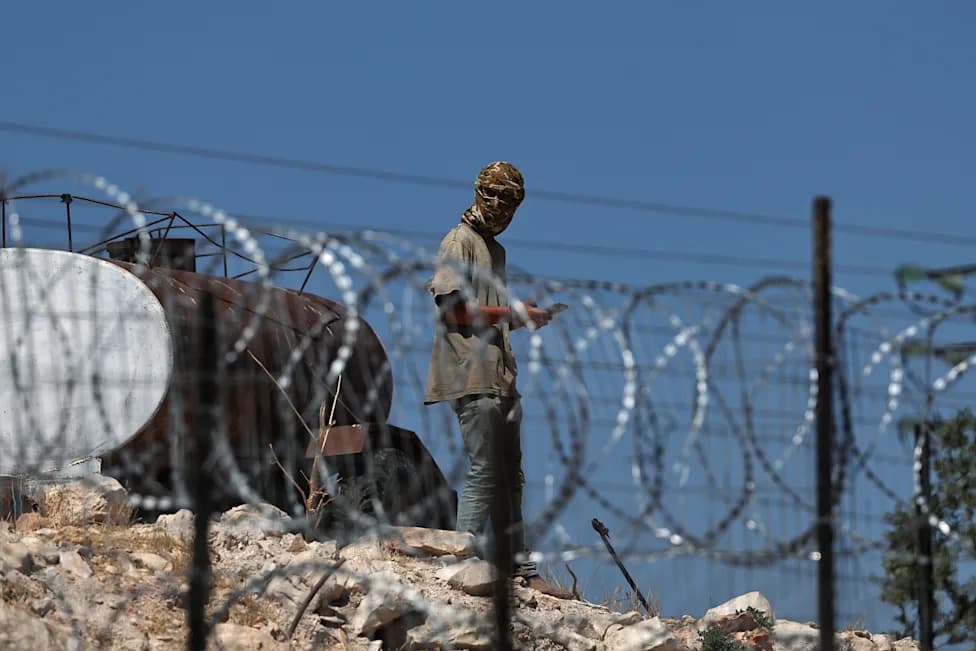
Settler attacks continued to target Palestinian communal infrastructure. On June 17, mosques in Jiljiliya and Mazraa al-Nubani were torched and defaced with Hebrew graffiti referencing a "Night of the Mosques," language observers likened to the 1938 Kristallnacht. The Israeli military confirmed the incidents to AFP but did not name suspects. The outpost implicated lies inside Area A, which is officially off-limits to Israeli civilians.
Separately, settlers repeatedly damaged water infrastructure in Bedouin and farming communities. Reports include severed pipelines, damaged main water pipes near Umm Safa, and the seizure of a water tanker serving families in the Atouf plain. Activists and local mayors said settlers cut both water and electricity lines to the Bedouin family of Nayef Khalaife in Arab al-Kaabneh for a third consecutive week.
International Response And Humanitarian Strain
International pressure continued to mount: Norway announced plans to ban trade with West Bank settlements; 85 members of the US House of Representatives urged Washington to halt the E1 settlement project; and the UN warned that certain Israeli settler groups could be placed on a blacklist for grave violations against children. Israel's foreign minister, Gideon Saar, severed contact with the EU's top diplomat over attributed remarks comparing Israeli policy to apartheid.
Humanitarian indicators remain dire. The UN reported fuel deliveries in the week of June 16 fell far short of needs, forcing partners to ration fuel for life-saving services. The UN warned more than 520 surgical and endoscopic procedures were at risk of suspension due to disinfectant shortages, and that the overall humanitarian response was funded at only 24% of requirements. Fletcher told the UN that no hospital in Gaza is fully operational and that the territory is being kept afloat by improvised humanitarian measures and local resilience.
Ongoing Violence And Detentions
Violence continued across the occupied territories: on June 22 activist Hamza al-Masri reported two teenagers from Beit Ummar, Issa Awad, 19, and Rida Awad, 15, were shot dead near the Karmei Tzur settlement and their bodies were reportedly being withheld; the Israeli military said the two had thrown petrol bombs.
What This Means: The week highlighted parallel and reinforcing dynamics: a more overt expansion of Israeli control in key areas of the West Bank and a steady westward push in Gaza described by Israeli sources as "creeping annexation," occurring alongside growing international concern and a deepening humanitarian emergency.
Help us improve.