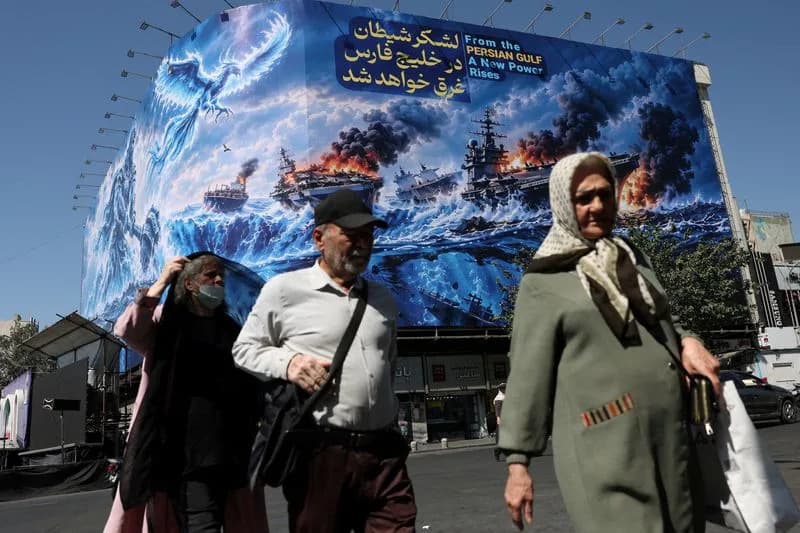
Iran’s deputy foreign minister, Saeed Khatibzadeh, said Tehran is prepared to advance a diplomatic track with Washington if the U.S. enforces the recently signed MoU and ensures Israel complies. Scheduled talks in Switzerland were called off and U.S. Senator J.D. Vance cancelled a planned visit amid renewed Israel–Hezbollah fighting that Lebanese authorities say killed at least 47 people. The MoU links a Lebanon ceasefire to a broader pause across all fronts, includes free passage through the Strait of Hormuz for 60 days, and envisions a post‑period transit mechanism. Iran also insists any deal must include the release of frozen Iranian funds.
Iran Says It’s Ready To Advance US Deal If MoU Terms, Including Lebanon Ceasefire, Are Honored
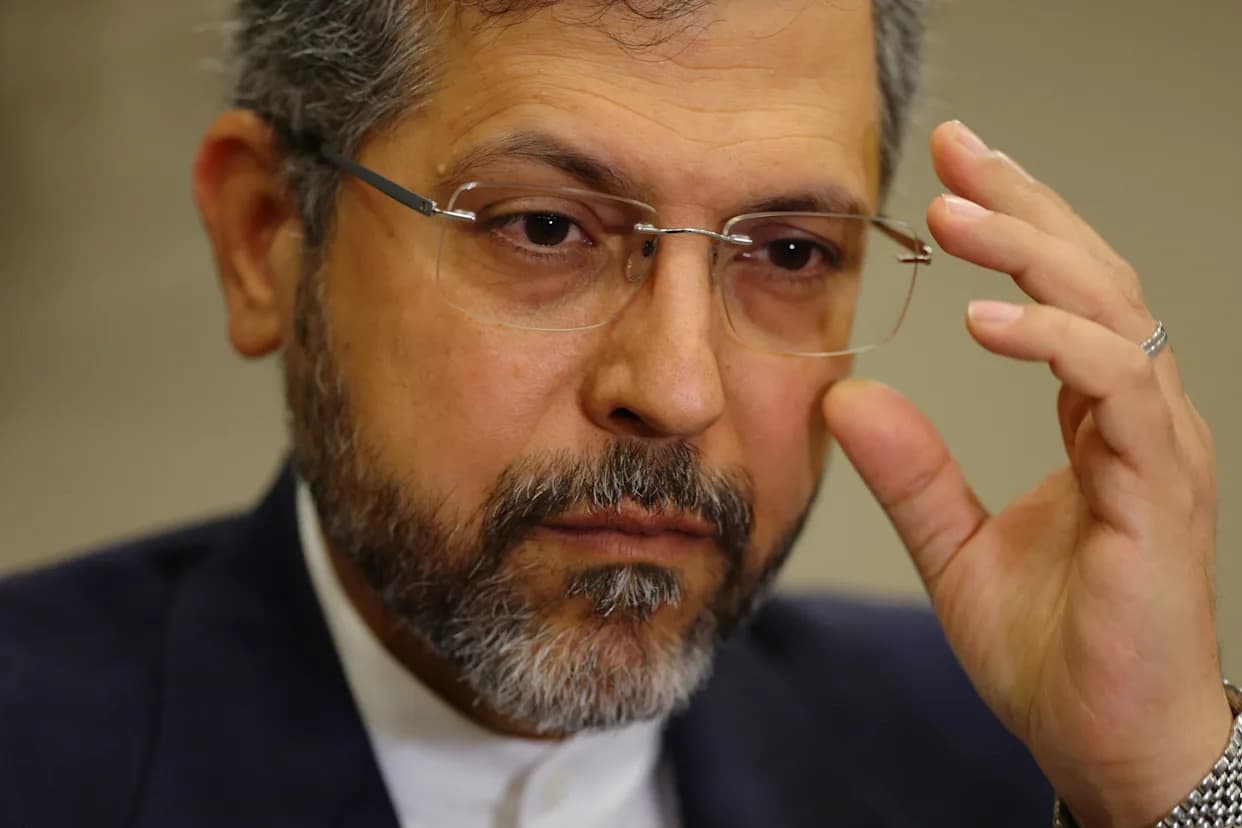
Iran's Deputy Foreign Minister Saeed Khatibzadeh said Israel's “continued war-making” has “serious and immediate consequences” [File: AP/Riza Ozel]
Iran’s deputy foreign minister, Saeed Khatibzadeh, said Tehran remains willing to continue diplomatic engagement with Washington — but only if the United States demonstrates seriousness in upholding the memorandum of understanding (MoU) signed this week and ensures Israel abides by its provisions.
“We are ready to move forward step by step, if the other party demonstrates the same seriousness,” Khatibzadeh told Al Jazeera Arabic in an interview on Friday.
His comments followed the cancellation of scheduled talks in Switzerland and the abrupt call-off of a planned U.S. visit by Senator J.D. Vance. Mediators, including officials from Pakistan and Qatar, had earlier said the parties would meet at the Bürgenstock resort to open negotiations on a range of issues laid out in the MoU.
Regional Violence Clouds Diplomatic Track
Several reports suggested the meetings were postponed after renewed intense fighting on Friday between Israel and Hezbollah in southern Lebanon. Lebanon’s health ministry said Israeli strikes had killed at least 47 people since midnight.
“Israel’s continued war-making will have serious and immediate consequences,” Khatibzadeh said, condemning the latest strikes in Lebanon.
He reiterated that Iran seeks “peace on all fronts, including Gaza,” and explained that Lebanon was included in the MoU because of its direct connection to the wider regional confrontation. Article 1 of the MoU explicitly ties ending the war in Lebanon to a broader ceasefire arrangement across all fronts.
“There will be no peace or stability in Lebanon and the region without ending the occupation and Israel’s commitment to international law,” Khatibzadeh added.
Strait Of Hormuz, Frozen Funds And Next Steps
On maritime issues, Khatibzadeh said Iran will continue to provide navigation services in coordination with Oman and in accordance with international law. Tehran will not charge passage fees during the 60-day period specified in the agreement; a new mechanism to manage transit through the waterway would be proposed to neighbouring states after that period.
Khatibzadeh also insisted any further progress must include the release of all frozen Iranian funds as part of a comprehensive arrangement.
Esmaeil Baghaei, a spokesperson for Iran’s foreign ministry, said consultations on the U.S. deal are continuing via mediators and that an official announcement would be made if conditions for formal negotiations are met.
Regarding the Lebanon ceasefire the MoU requires for U.S.–Iran talks to continue, an unnamed Hezbollah official told Al Jazeera the ceasefire would hold if Israel honoured it. Israel’s ambassador to the U.S., Yechiel Leiter, posted on X: “Israel remains firmly committed to an immediate ceasefire. If Hezbollah honours the agreement and ceases its hostilities, they will be met with quiet.”
As mediators assess conditions on the ground, Khatibzadeh’s remarks underline that diplomatic progress hinges on both adherence to the MoU’s terms and a rapid de-escalation of violence in Lebanon and across the region.
Help us improve.