The wreck of the Japanese transport Hōfuku Maru — a World War II "hell ship" carrying roughly 1,200 British and Dutch POWs when it was torpedoed on Sept. 21, 1944 — has been located off the coast of Luzon near Zambales. Archival breakthroughs in 2025 and cross-referenced US strike reports guided sonar surveys and technical dives that found the wreck at about 164 ft (50 m), broken in two. The Cultural Heritage Agency of the Netherlands calls the evidence strong enough to identify the ship as the Hōfuku Maru; the site has been declared a war grave and will not be disturbed.
WWII 'Hell Ship' Hōfuku Maru Located Off Luzon After 80+ Years — Wreck Declared A War Grave
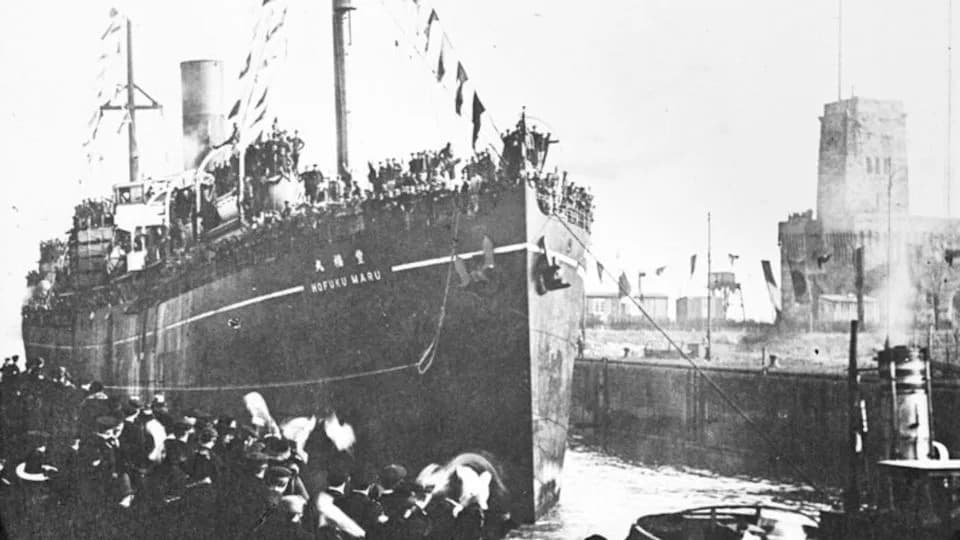
The Japanese military transported more than 62,000 prisoners of war during World War II using dozens of unmarked vessels. - German Federal Archive
Researchers have located the wreck of the Hōfuku Maru — a Japanese transport ship that became one of World War II’s notorious “hell ships” — off the western coast of Luzon near Zambales province. On Sept. 21, 1944, US warplanes mistakenly torpedoed the unmarked vessel while roughly 1,200 British and Dutch prisoners of war were confined in its holds. The ship split in two and sank within minutes; only about 200 prisoners survived and the exact resting place was lost for decades.
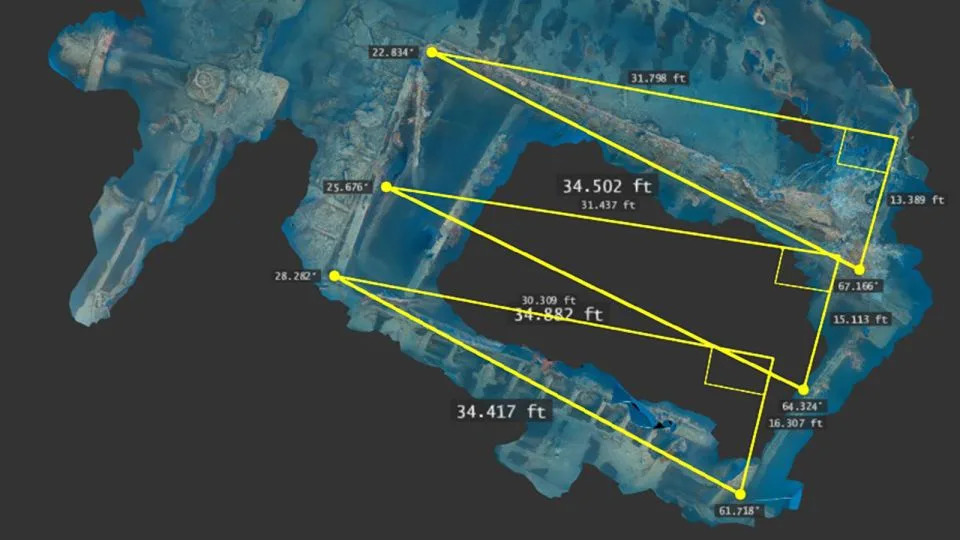
Researchers made a 3D model of the Hōfuku Maru using a technique called photogrammetry. - Hellships Memorial Foundation
How the Wreck Was Found
The discovery was the result of a multi-year investigation combining archival research, local knowledge and modern underwater survey techniques. Researchers sifted through fragmented Japanese convoy records and Allied strike reports. A digitized Japanese document found in June 2025 — a timeline and map created by officers aboard the convoy’s lead ship — provided a crucial clue that shifted the search more than 30 miles (48 km) from the previously assumed location.
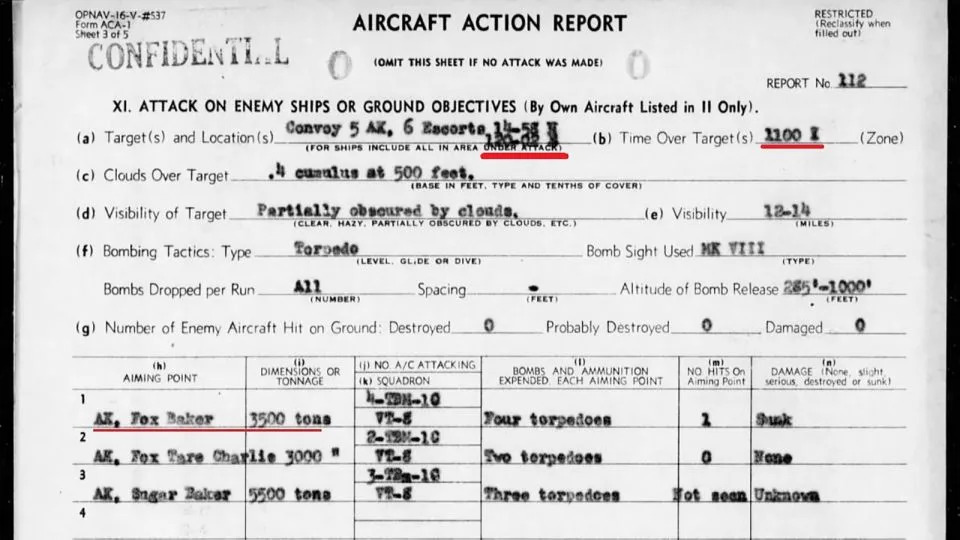
Documents from military archives in the US and Japan helped the team pinpoint the location of the shipwreck near Zambales province, off the western coast of Luzon in the Philippines. - National Archives and Records Administration
Investigators cross-referenced that document with an "aircraft action report" from the USS Bunker Hill, which described the sinking of an AK-class (auxiliary cargo) vessel that was second in its convoy — details that matched the Japanese account. Local fishermen also reported a large wreck at the newly identified site.
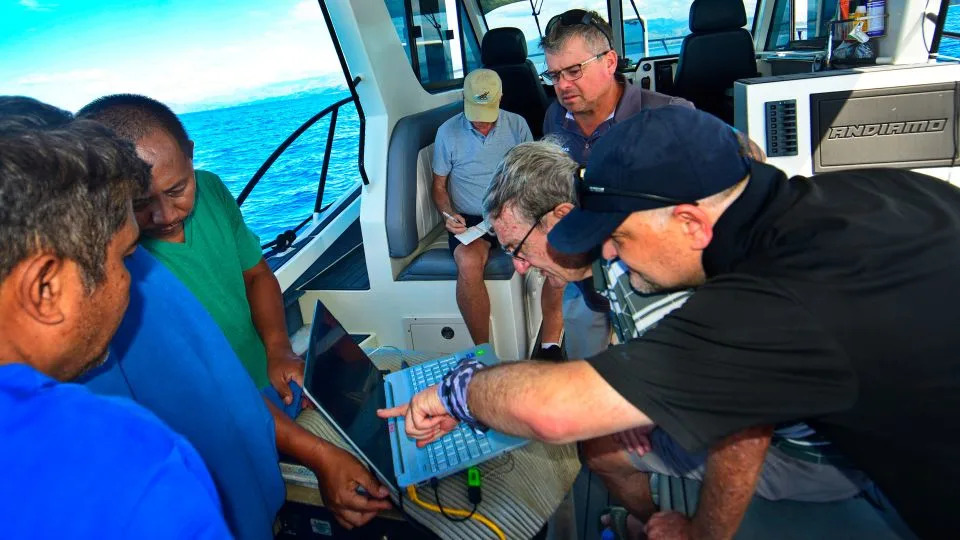
The team monitors a computer during a sonar scan on December 16, 2025. - Kevin Hamdorf
Surveying and Identification
With funding from the Cultural Heritage Agency of the Netherlands and support from the Hellships Memorial Foundation and Discovery Channel, sonar surveys and technical dives were carried out in December and January. Divers located wreckage at about 164 feet (50 meters) deep near the coast of San Narciso.
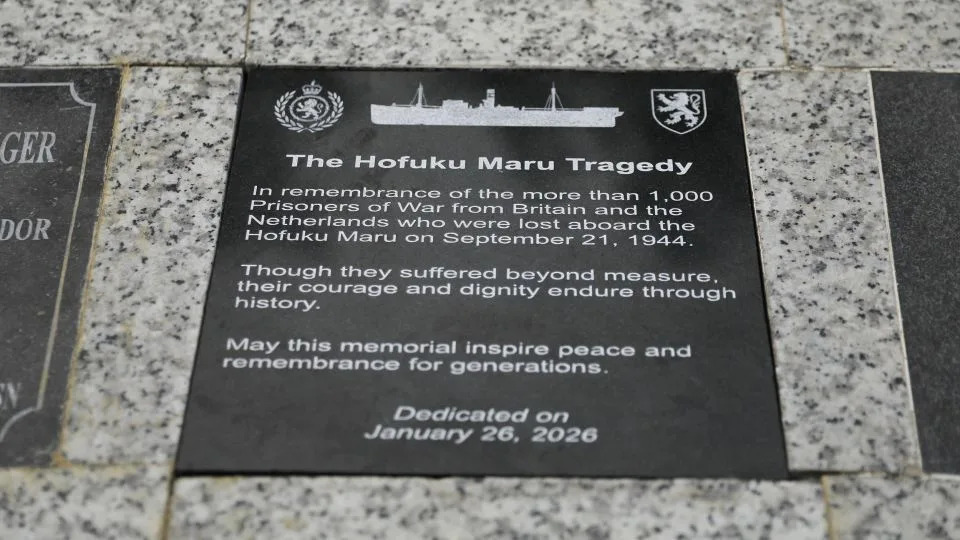
Subic Bay, on the west coast of Luzon island in the Philippines, is home to a memorial dedicated to those who perished on hell ships during World War II. - Discovery’s Expedition Unknown
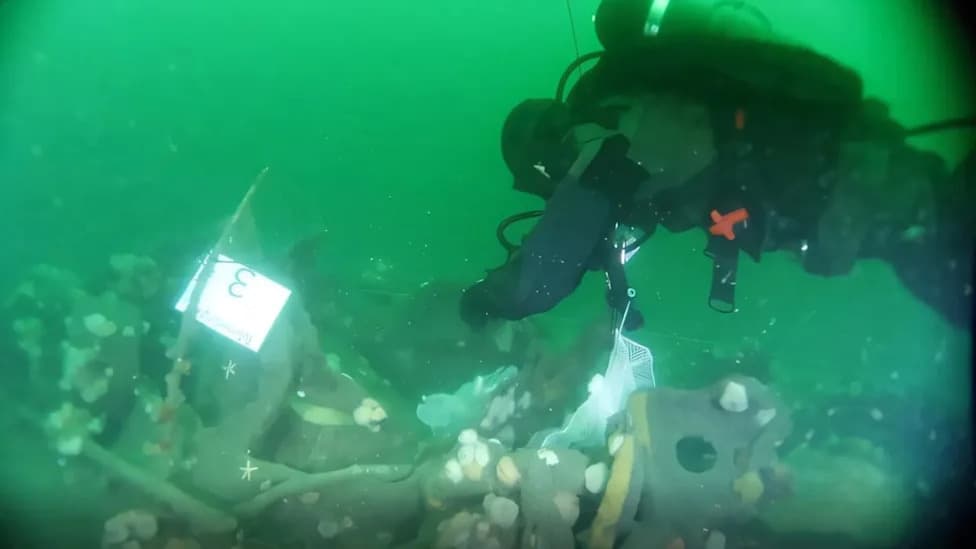
Because the site is heavily blanketed in sediment — much of it volcanic ash carried into the sea after Mount Pinatubo’s 1991 eruption — visibility is poor. In early 2026 Discovery brought in maritime archaeologist Calvin Mires and underwater imaging specialist Evan Kovacs to capture hundreds of high-resolution images. Using photogrammetry software, they produced a 3D model that clarified structural details otherwise obscured by low visibility.
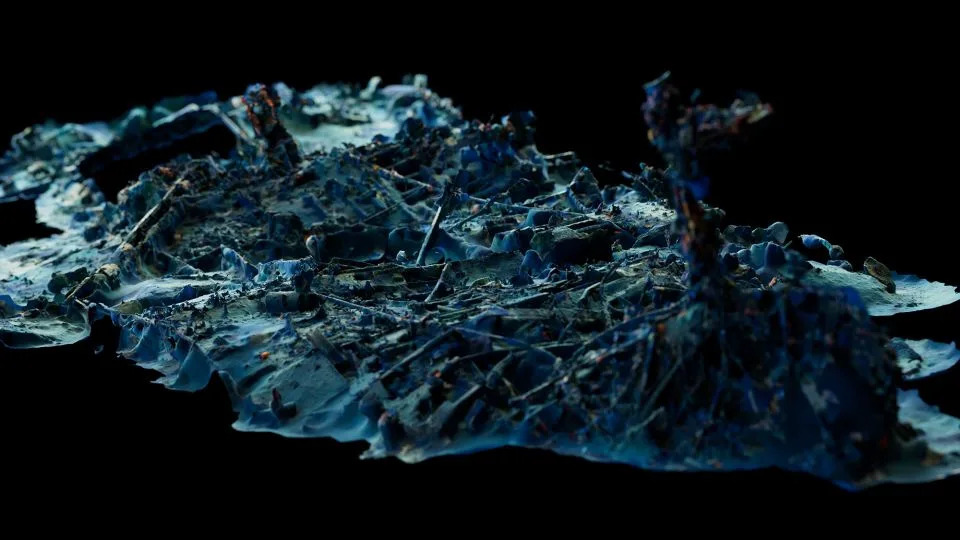
Divers found the remains of the Hōfuku Maru at a depth of about 164 feet (50 meters). - Evan Kovacs/Marine Imaging Technologies; LLC
Investigators compared the wreck’s dimensions, the placement of masts and cargo holds, and the split configuration with blueprints and historical accounts of the Hōfuku Maru (built in 1919). The Cultural Heritage Agency of the Netherlands reviewed the technical report and concluded on June 8 that the wreck is "almost certainly" the Hōfuku Maru.
Survivor Testimony and War Crimes Proceedings
Postwar testimony from survivors and wartime court records document the brutal conditions aboard hell ships. Court proceedings held in Singapore soon after the war included testimony from survivors such as the late Capt. Nigel Evans and the late Capt. James Gibson. Sgt. Maj. Jotani Kitaichi of the Imperial Japanese Army was tried and sentenced to death in connection with mistreatment on the voyage.
"We’re talking about a dark hold that’s metal. It stinks, it’s boiling hot. There’s no sanitary conditions... Hardly any water," said Tim Beckensall, World War II historian and search director for the Hellships Memorial Foundation.
Respecting a Grave Site
Divers reported encountering human remains on the upper decks but did not enter the holds. The Cultural Heritage Agency of the Netherlands has designated the Hōfuku Maru a war grave; the site will not be disturbed out of respect for the victims and their families. Governments of the United Kingdom, the Netherlands and the United States have been notified, and precise coordinates are being withheld to protect the site.
Related Work: Oryoku Maru and Ongoing Recoveries
Although no American POWs are believed to have been aboard the Hōfuku Maru, the US Defense POW/MIA Accounting Agency (DPAA) continues recovery and identification efforts on other prisoner transports, notably the Oryoku Maru, which sank in Subic Bay in December 1944. In early 2026 DPAA teams began removing sediment from cargo holds on the Oryoku Maru and are working to identify human remains.
Commemoration
The Hellships Memorial in Subic Bay honors those who perished aboard the Hōfuku Maru. The Netherlands has offered to work with partner nations to find a suitable way to commemorate the victims. The discovery and the investigation are featured in a two-part season premiere of the Discovery Channel series Expedition Unknown, airing June 24, 2026.
Note: Out of respect for the dead and ongoing diplomatic and forensic processes, the precise location of the wreck is not being published.
Help us improve.