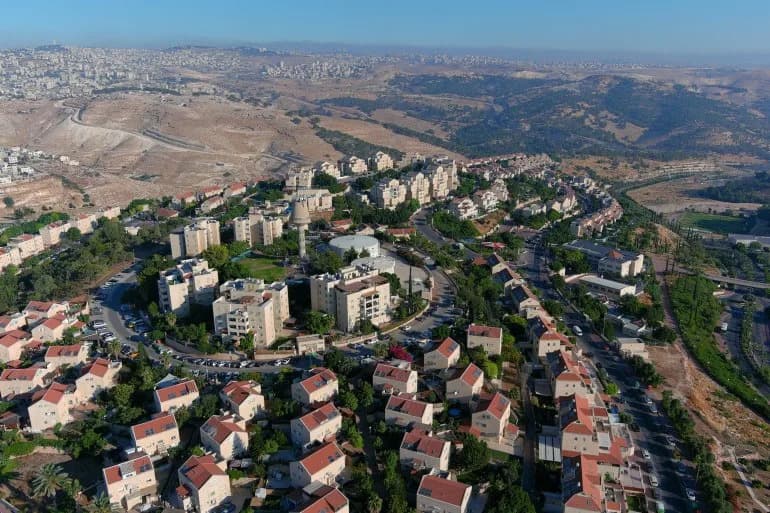
This week: Western states imposed sanctions on settler networks and France banned Finance Minister Bezalel Smotrich, while Amnesty accused Israel of a "state-sponsored" campaign to accelerate West Bank annexation. Despite international pressure, Israel approved funding for dozens of new settlements and the military established a permanent post in Jenin. Violence by settlers, demolition orders and widespread water-infrastructure damage persisted across the West Bank, while Gaza experienced renewed strikes, rising casualties and a worsening humanitarian crisis.
Palestine Weekly Wrap: Western Sanctions Target Settlers As Israel Fast-Tracks New Outposts
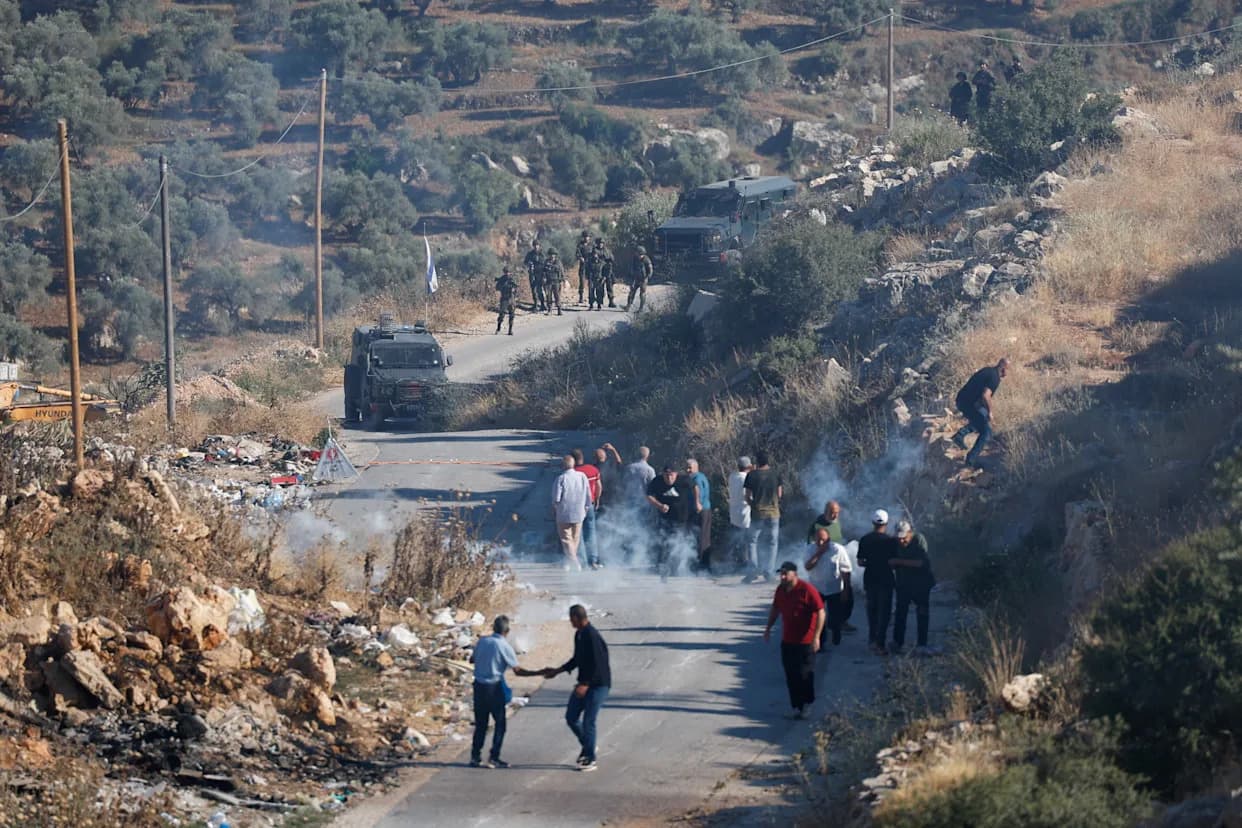
Israeli soldiers fire tear gas at Palestinians during a protest against a new Israeli settlement in the occupied West Bank village of Deir Abu Mishal, near Ramallah, June 13, 2026 [Mohammed Torokman/Reuters]
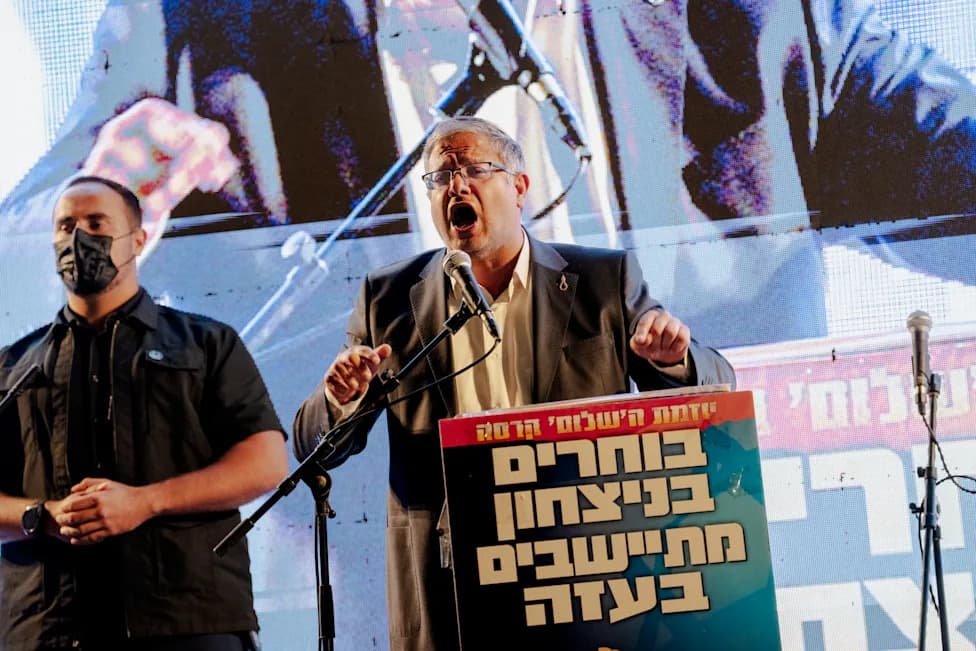
This week saw coordinated international measures against settler networks and a French ban on Israeli Finance Minister Bezalel Smotrich, but those moves did not prevent the Israeli government from approving new settlement funding and expanding its military presence in parts of the West Bank nominally under Palestinian control.
International Pressure
On June 9, France announced a ban on Finance Minister Bezalel Smotrich and blacklisted four settler-organisation leaders plus 21 individual settlers. French Foreign Minister Jean-Noël Barrot cited Smotrich’s support for West Bank annexation, proposals to resettle Gaza, and policies said to have contributed to the economic weakening of the Palestinian Authority. The same day, France, the United Kingdom, Canada and Norway — coordinating with Australia and New Zealand — imposed sanctions on networks accused of financing settler violence.
Accusations and UN Warning
On June 10, Amnesty International published an allegation that Israel is pursuing a years-long, state-sponsored campaign of ethnic cleansing in the West Bank to accelerate annexation; the Israeli military rejected the claim. Addressing the UN Security Council that day, Secretary-General Antonio Guterres warned of a "presumption of impunity" across the occupied territory, citing settler violence "now averaging six attacks per day," displacement "at levels not seen since 1967," and stating any attempted annexation would have "no legal validity."
Israeli Government Moves
Within days of the international actions, anti-settlement group Peace Now reported that the Israeli cabinet approved funding for 69 settlements in a plan valued at approximately $388 million, bypassing standard planning procedures. Peace Now also said the government has approved or legalised 103 settlements since late 2022, 51 of them entirely new, many in strategically sensitive areas such as the South Hebron Hills and the Jordan Valley.
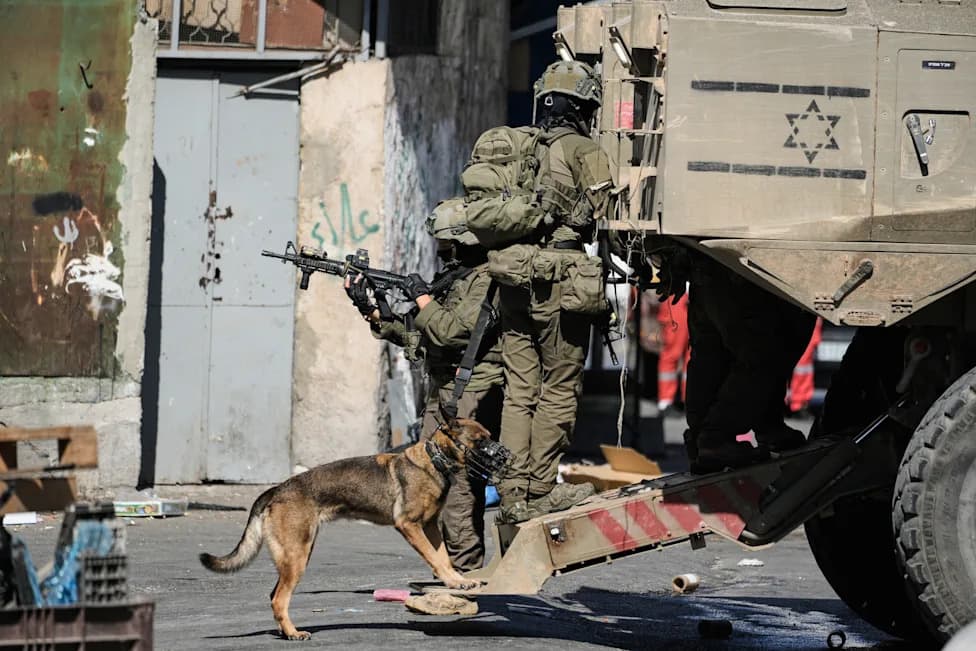
On June 11, Haaretz reported that the Israeli military announced the establishment of a permanent post inside the Jenin refugee camp — the first standing presence in Area A since the Oslo Accords, an area nominally under full Palestinian civil and security authority. The army said the post would "regulate the deployment of forces."
Settler Violence, Land Seizures and Demolitions
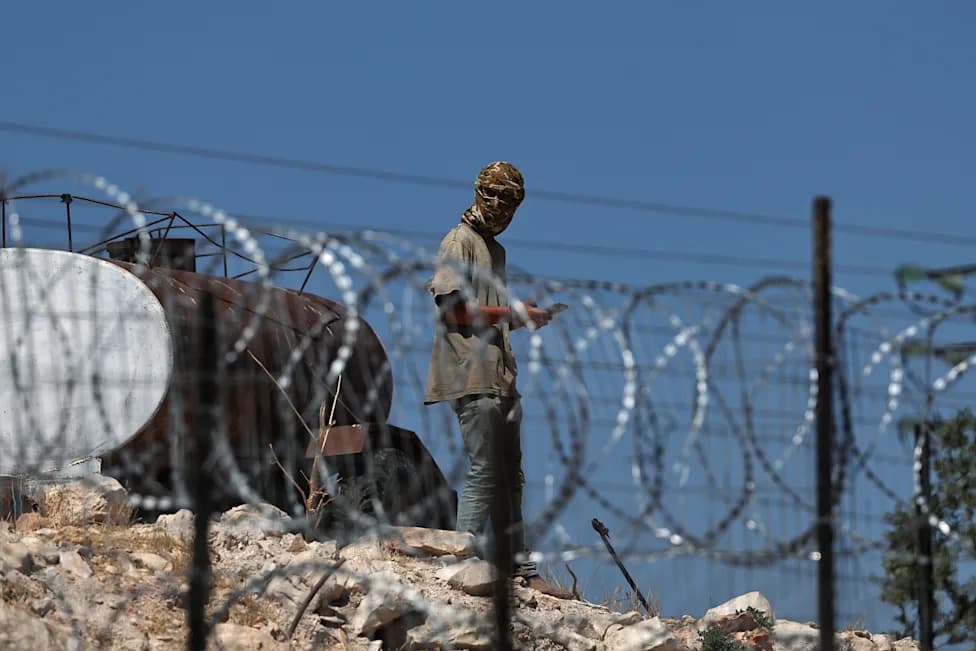
Settler activity and clashes with Palestinian residents intensified across the West Bank. Northwest of Ramallah, residents of Deir Abu Mash'al spent six days trying to prevent settlers from creating an illegal outpost on al-Qarana hill; after villagers dismantled a tent repeatedly, settlers erected another on June 15 and clashes left four Palestinians injured, one critically, with Israeli forces reported to have fired tear gas and live ammunition.
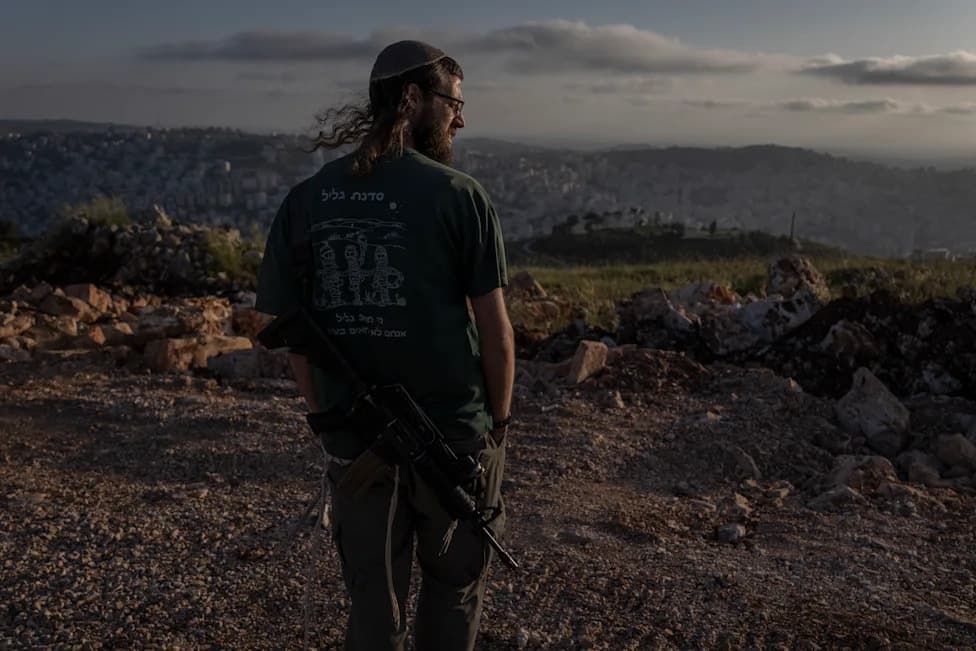
Elsewhere, settlers expanded outposts and seized land: mobile units appeared in Karmeilo; caravans were unloaded at the Gharaba outpost; and hundreds of dunums were reportedly taken across the Jalud, Qaryut and Khirbet Sarra plains south of Nablus. Activists said police sometimes barred landowners while leaving settlers undisturbed. Social media among settlers circulated boasts of "endless tours through Areas A and B" and "new outposts growing like mushrooms after rain."
On June 14, local reports said 50–60 masked, armed settlers attacked Deir Dibwan and neighbouring Burqa, torching vehicles, partially burning a home and setting fires at mosque entrances before residents extinguished them. Settlers were also reported to have burned wheat fields and assaulted residents near Nablus.
Bedouin and herding communities continued to face demolition orders, water sabotage and other pressures. Activists documented demolition and stop-work orders against multiple structures in al-Deirat and Khallet al-Hamous near Yatta, demolitions in Mikhmas and areas east of Yatta, and the razing of a poultry slaughterhouse in Ras Karkar that supported roughly 50 people. On June 15, forces reportedly demolished two family homes sheltering 25 people, agricultural sheds, a perimeter wall and a 130-cubic-metre water well belonging to the Rab'i and Jabarin families, and uprooted about 20 trees.
Weaponisation Of Water And Infrastructure Damage
Water infrastructure was repeatedly targeted during the week. Reports from Wafa, local activists and OCHA indicate settlers severed pipelines at Khan al-Ahmar, contaminated wells near Sa'ir, burned a well supplying Udala, stole pipes near a Bethlehem reservoir, and — with Israeli forces — seized five water tankers in Idhna. OCHA said that since January more than 100 incidents have damaged or destroyed over 190 water and sanitation structures across the West Bank, isolating at least 10 communities in Masafer Yatta from the network.
Gaza: Ceasefire Strains And Humanitarian Crisis
Eight months into a nominal ceasefire, strikes, shelling and gunfire continued to kill civilians in Gaza. The Gaza Health Ministry's post-ceasefire death toll exceeded 990, and the cumulative toll since October 2023 rose past 73,000.
On June 14, an Israeli strike hit a warehouse near the Yemen al-Sa'eed Hospital in Jabalia, killing at least four people. On June 15, attacks in Nuseirat, al-Zawayda and Gaza City's Tuffah neighbourhood reportedly killed several civilians, including a four-year-old girl; a detained child was also reported killed the day after being seized with his father.
Along the shifting "Yellow Line" that marks continued Israeli military control within Gaza, forces advanced into Tuffah and toward the al-Sanafour roundabout, deploying engineering units and bulldozers and triggering fresh displacement from eastern Gaza City. Local reports named several civilians killed near the line, including Zaki al-Qara, 30, and a three-year-old, Rayan Abu al-Ajeen.
Humanitarian access remains severely constrained. OCHA reported that over 70% of Gaza's population depends on water deliveries by truck, fuel deliveries fell to roughly one million litres for the week, daily cooked-meal production has halved since March, and Gaza's health ministry said Israel was blocking at least 16,500 patients from leaving for treatment — including Dr. Hussam Abu Safiya, who appeared by video link at an Israeli Supreme Court hearing with lawyers alleging signs of torture after more than 500 days in detention.
Outlook
International sanctions and public condemnations have increased pressure on Israeli settler networks and some political figures, but government decisions to fund and legalise outposts, and to expand military presence in Palestinian-administered areas, point to deepening tensions and a growing humanitarian emergency. Observers warn that continued settlement expansion, settler violence and constrained aid access risk further destabilising prospects for a negotiated settlement.
Help us improve.