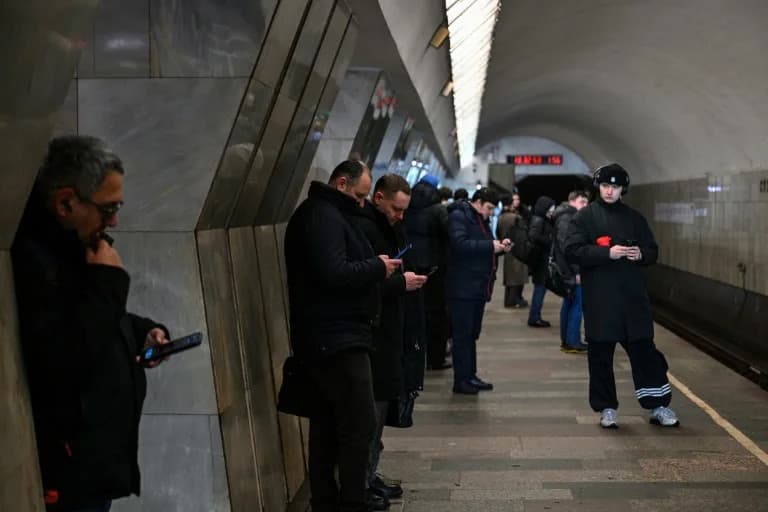
Russians are increasingly using VPNs, multiple devices and other workarounds to evade new Kremlin internet controls and keep using blocked foreign services. VPN downloads surged to 9.2 million in March, while reported VPN use rose from 23% to 36% year‑over‑year. The restrictions have disrupted banking, transport and e‑commerce and contributed to public frustration ahead of September's parliamentary vote, even as authorities push domestic alternatives and promise measured enforcement.
Two Phones and a VPN: How Russians Outsmart Putin’s Digital Iron Curtain
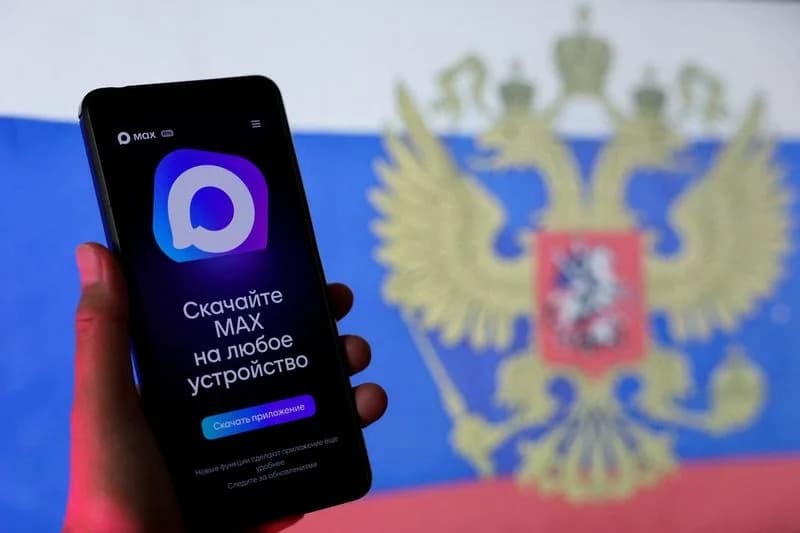
The Russian messaging app MAX is displayed on a smartphone next to a screen showing the state flag of Russia in this illustration taken September 4, 2025. REUTERS/Ramil Sitdikov/Illustration
In a quiet Moscow café known for free Wi‑Fi and good coffee, a 41‑year‑old interior designer connects to a virtual private network (VPN) so she can message friends abroad on WhatsApp — a U.S. service blocked inside Russia. After finishing, she disables the VPN to buy a ticket on the Russian Railways site, which denies access to users who mask their location, then reaches for a second phone to check messages on MAX, a state‑backed messaging app.
Everyday Workarounds
Since Kremlin authorities tightened internet controls this year, many Russians have adopted elaborate technical workarounds to avoid state monitoring and continue using popular foreign services such as WhatsApp and Telegram. Common tactics include switching VPNs on and off, using multiple devices, and isolating the state‑endorsed MAX app on a separate phone.
Surge In VPN Use
VPNs reroute internet traffic through servers outside Russia. In March alone, the five most popular VPN apps on Google Play were downloaded 9.2 million times — roughly 14 times the number for the same month last year — Kommersant reported, citing Digital Budget. The Levada Center reports that self‑declared VPN use rose from 23% in 2022 to 36% this year.
State Controls And Disruptions
Regulators and security services including Roskomnadzor and the FSB have blocked or throttled access to an expanding list of apps and websites, and ordered temporary mobile internet shutdowns in some regions — actions authorities say are needed for national security. Those measures have at times disrupted banking, transport and e‑commerce, with Digital Budget linking regulator instructions to a roughly 10% traffic drop at Wildberries, Russia's largest online retailer.
Politics, Public Frustration And “Digital Sovereignty”
The clampdown is the broadest of its kind under President Vladimir Putin. Analysts and some Kremlin‑friendly groups say the restrictions have contributed to public irritation ahead of a September parliamentary election. State pollster VTsIOM recorded a fall in Putin’s approval rating from 75.1% in February to 65.6% in April; more recent figures place it near 67%, the lowest since the full‑scale invasion of Ukraine in 2022.
Authorities are promoting "digital sovereignty" by encouraging use of domestic alternatives. MAX — promoted by VK — reported more than 85 million daily users in May. Critics and some Western tech firms warned MAX could enable tracking; VK denies these claims. For that reason, many users "quarantine" the app on a separate device.
Cat And Mouse
Although VPN use is not illegal, Roskomnadzor has restricted hundreds of services, creating an ongoing cat‑and‑mouse dynamic as users seek new tools. In April, some government offices, banks and large retailers began blocking visitors who are connected via VPN, prompting complaints that customers abandon purchases rather than disable their privacy tools.
Adaptation And Everyday Impact
Responses vary: some Russians say they have adapted and rarely use VPNs, while others become more inventive — younger relatives buy or set up VPNs for older family members, drivers use vendors' Wi‑Fi to retrieve maps, and some remove cameras or microphones from devices that hold state apps out of fear of surveillance.
As frustration has grown, officials have sought to reassure the public: plans to charge extra for more than 15 GB of foreign data per month were postponed until after the election, and Mr. Putin urged authorities to avoid relying solely on bans while ensuring critical services remain functional.
Reporting: Andrew Osborn and Reuters TV; Additional reporting by Darya Korsunskaya; Editing by Alexandra Zavis.
Help us improve.