Fragments of scarlet sea cucumber tube feet and tentacles remained viable and functional for at least three years when kept in flowing natural seawater. The detached tissues healed, absorbed nutrients, showed ongoing immune and metabolic activity, and in some cases responded to touch. Published in Science Advances, the study challenges ideas about tissue mortality and offers a new, ethically simpler model for regenerative biology and tissue engineering.
'Alive' Outside the Body: Sea Cucumber Tissue Survives And Functions Independently For Years
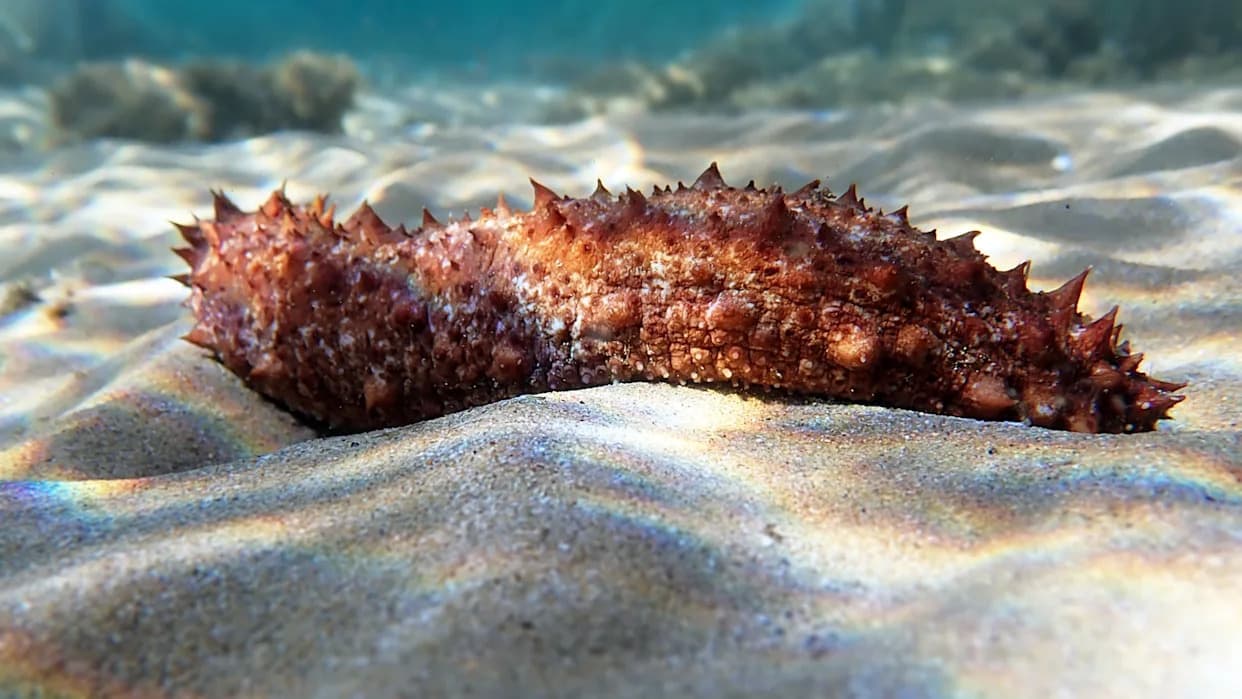
Photo Credit: iStock
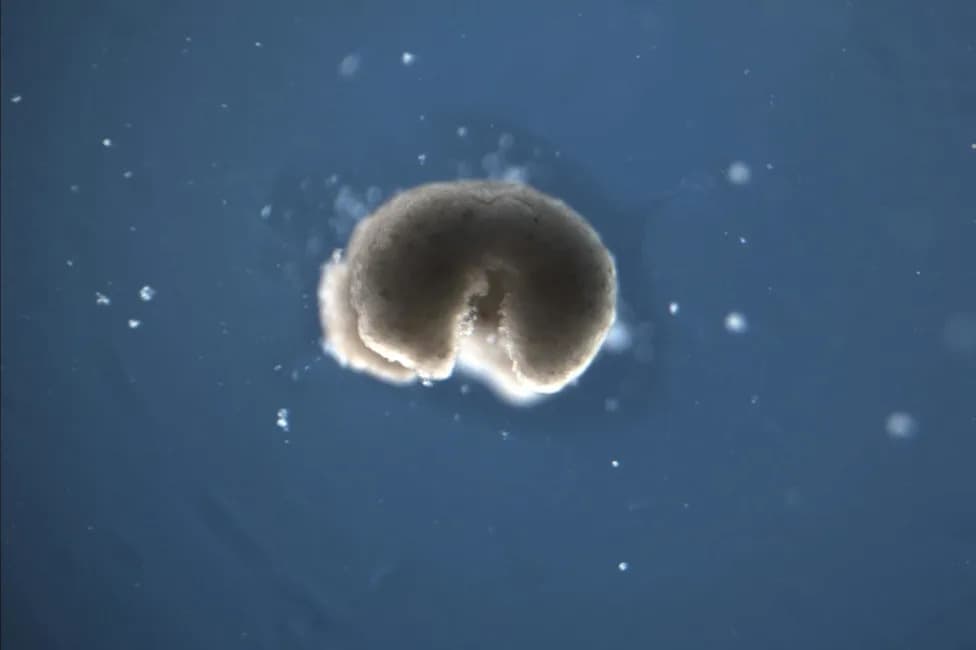
Researchers have discovered that small pieces of tissue taken from the scarlet sea cucumber can remain alive and functional for years after being detached from the animal. The study, published in Science Advances, reports that fragments of tube feet and tentacles kept in flowing natural seawater resisted decay for at least three years while maintaining healing, metabolic and immune activity.
Key Findings
In experiments by a Canadian research team, tiny tissue fragments removed from the sea cucumber's tube feet and tentacles persisted rather than disintegrating. Over the course of three years in natural, flowing seawater, the samples not only survived but also:
- Healed wounds and reorganized their structure,
- Absorbed nutrients from the surrounding seawater, and
- Maintained immune, metabolic and cellular activity.
Some isolated tentacles even responded to touch, suggesting preservation of at least part of their neural network and sensory function.
What This Means
The authors argue the results "challenge conventional perceptions of tissue immortality and present a new class of experimental model, free from ethical concerns, with substantial implications for regenerative biology, biomedical research, and tissue engineering." In practical terms, these findings point to new ways of studying regeneration and tissue maintenance without using whole animals or engineered cell lines.
Comments From The Team
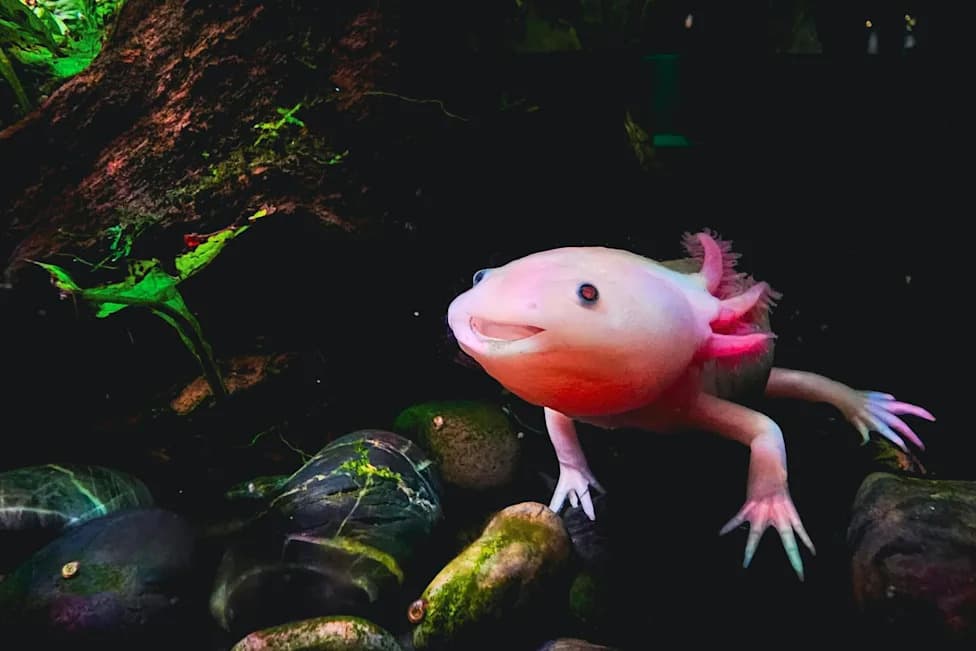
"It's like a lizard that loses its tail. We know some lizards can grow new tails; we're talking about whether the tail can grow a new lizard," said marine biogeochemist Rachel Sipler, a co-author, to Science Alert.
Sipler also noted the unusual experimental conditions: the tissues survived and even thrived in unfiltered natural seawater — "just about the most microbially diverse, least clean approach we could take experimentally" — indicating that microbial communities and organic matter in seawater may have supported tissue nutrition and repair.
Methods And Context
Although scientists have produced immortalized cell lines in controlled laboratory settings, preserving intact multicellular tissue ex vivo for years is far more challenging. Crucially, these experiments used flowing natural seawater rather than sterile lab media, increasing the ecological realism of the observations and suggesting interactions between host tissue and environmental microbes could play a role.
Next Steps
Researchers say further work is needed to understand the mechanisms that sustain detached tissue: how cells coordinate repair, how nutrient uptake occurs outside an organism, and what role microbes play. The discovery opens new, ethically simpler avenues for exploring regeneration, tissue engineering and longevity at the tissue level.
Help us improve.