Dario Amodei, CEO of Anthropic, told ABC News that AI needs stronger global guardrails and narrowly targeted government powers to block unsafe model deployments. He published a letter warning current safety measures lag progress and announced a $200 million pledge to study AI's societal impact. Amodei suggested short-term workforce supports and longer-term fiscal measures, said any development pause would require verifiable international agreement, and expressed skepticism that China would comply. He also emphasized AI's potential to accelerate biomedical breakthroughs.
Anthropic CEO Calls For Stronger Global AI Regulation — Announces $200M Safety Research Pledge

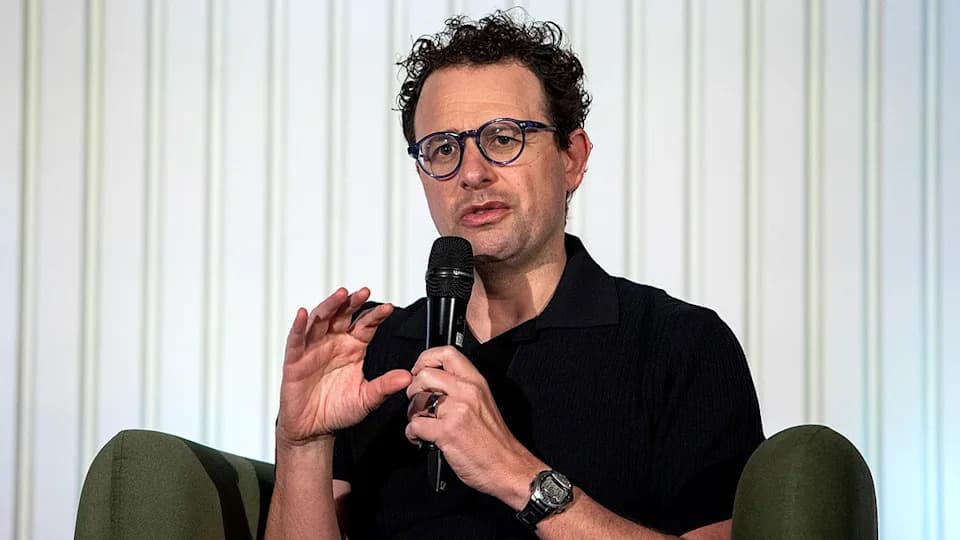
ABC News - PHOTO: Anthropic CEO Dario Amodei speaks with ABC News' Linsey Davis.
Dario Amodei, CEO of Anthropic — one of the companies at the forefront of advanced artificial intelligence — told ABC News in an exclusive interview that AI must be developed with strict guardrails, including narrowly defined government authority to block unsafe deployments.
Stronger Regulation And A Narrow Government Role
Amodei said developers should carry most of the responsibility for building reliable AI systems, but argued that regulators should be given targeted powers to intervene when independent assessment shows a model poses unacceptable risks.
“We're proposing stronger regulation of the technology, proposing giving the government the ability to, again, in a narrow way, block deployment of unsafe technology,” he said.
Safety Letter And $200M Research Commitment
The comments followed a public letter in which Amodei warned that existing safety measures lag behind AI's rapid progress. Alongside the letter, Anthropic announced a $200 million commitment to fund research on AI's societal impacts and to study risks and mitigation strategies.
Dado Ruvic/Reuters - PHOTO: The Anthropic logo in this illustration,June 5, 2026.
Jobs, Short-Term Support And Longer-Term Policy Ideas
On employment, Amodei acknowledged that labor markets historically adapt after technological change but said targeted interventions may be needed to ease disruption. He highlighted proposals such as wage reinsurance, retention incentives to discourage layoffs, and improvements to unemployment insurance as tools to smooth transitions.
“There are these concepts around wage reinsurance, retention incentives to encourage companies not to lay off people, improvements to unemployment insurance. These are things to help people through a bumpy but relatively usual transition,” he said.
For longer-term economic support, Amodei suggested discussing fiscal measures including higher capital gains taxes, corporate tax adjustments, or targeted taxes on AI firms to help fund social safety nets.
On Pausing Development: Agreement And Verifiability Required
Anthropic recently recommended a possible pause if AI approaches the capacity for near self-development. Amodei said any effective pause would require broad agreement among major AI actors — including adversarial nations — and mechanisms to verify compliance.
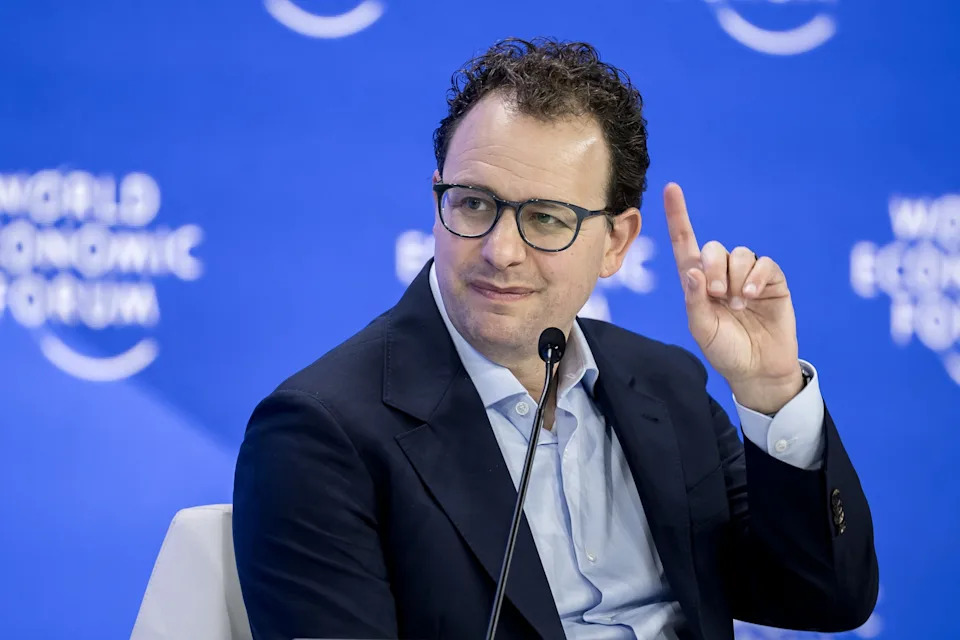
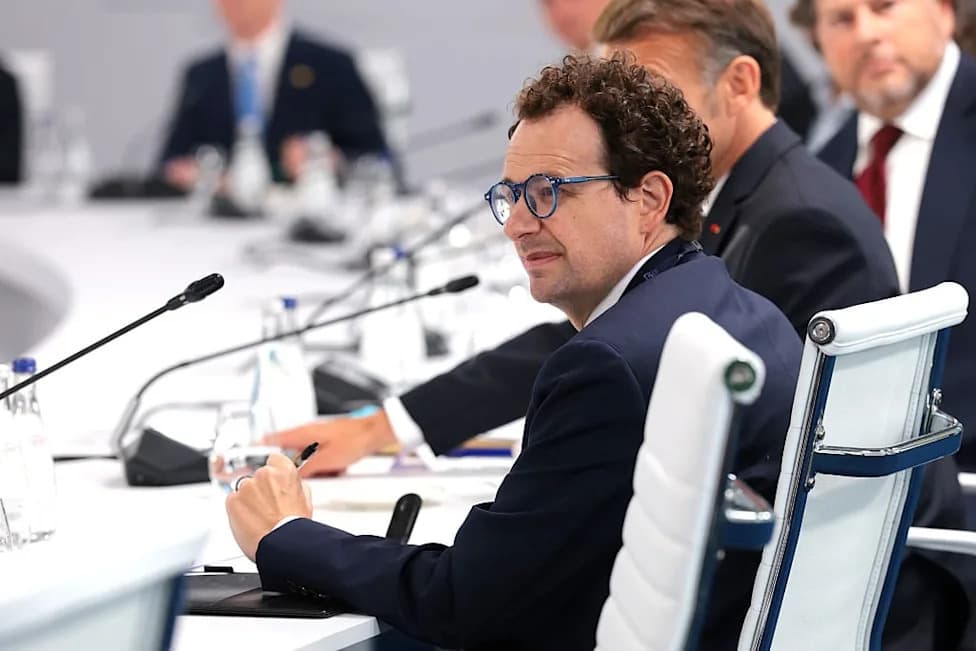
Fabrice Coffrini/AFP via Getty Images, FILE - PHOTO: Anthropic CEO Dario Amodei gestures as he addresses the audience as part of a session on AI during the World Economic Forum (WEF) annual meeting in Davos, Jan. 23, 2025.
“I would like to clarify. My point is that we should be willing to at least try. It would have to be the case that all of the relevant AI players, including geopolitical adversaries, would have to agree to it, and it would have to be verifiable,” he said.
Geopolitical Concerns And Mythos
Amodei expressed deep skepticism that China would participate in a verifiable pause, saying he did not trust Beijing to comply. He referenced Anthropic's internal research model, Mythos, which was used to probe software vulnerabilities during testing. According to Amodei, Mythos identified thousands of bugs and defects in major operating systems and browsers, but the model was not broadly released.
“Imagine if China had built Mythos. They would have used it to attack us. They would have used it to help Russia in Ukraine. They might have used it to help Iran. They may have used this to help North Korea. Who knows what they would have done with it?”
Optimism About AI's Benefits
Despite the warnings, Amodei remained optimistic about AI's positive potential, especially in medicine. A former biologist, he said AI's ability to connect diverse information could accelerate biomedical discoveries and help cure longstanding diseases.
“I think that AI could cure many of the diseases that have plagued humanity for centuries or millennia. AI has an incredible ability to draw connections between a wide variety of disparate information, and I think that's exactly what we need for biomedical advancement,” he said.
Amodei's remarks underline a growing call among AI leaders for stronger, internationally coordinated safety standards, combined with research investment and policy measures to manage economic disruption while unlocking the technology's benefits.
Help us improve.