Iran has declared a complete closure of the Strait of Hormuz and barred all shipping after the US said it launched fresh strikes on targets in Iran. State media reported two ships came under fire and explosions were heard in southern port cities. CENTCOM said "additional self-defense strikes" began at 0915 GMT Wednesday, following the downing of a US helicopter that Washington blamed on Iran. The move escalates tensions in a strategically vital oil and gas export route.
Iran Announces Full Closure Of Strait Of Hormuz After New US Strikes
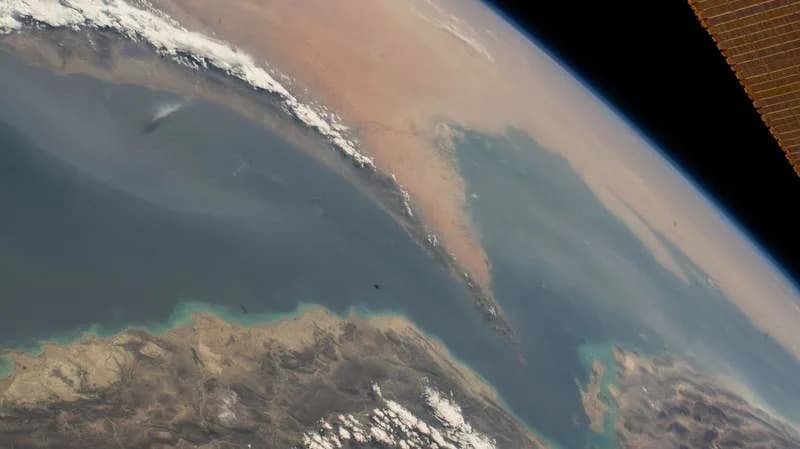
FILE PHOTO - A satellite image, captured by NASA, shows the Strait of Hormuz, which connects the Gulf of Oman (L) with the Persian Gulf (R) and separates Iran (below) from the countries of the Arabian Peninsula—Oman, the United Arab Emirates, and Qatar. (is associated with: «Iran says Strait of Hormuz closed after US strikes») -/Nasa/dpa
Early on Thursday, Iran announced it was fully closing the Strait of Hormuz and prohibiting all vessel traffic through the strategic waterway after the US military said it launched fresh strikes on multiple targets in Iran on orders from President Donald Trump.
What Iran Says
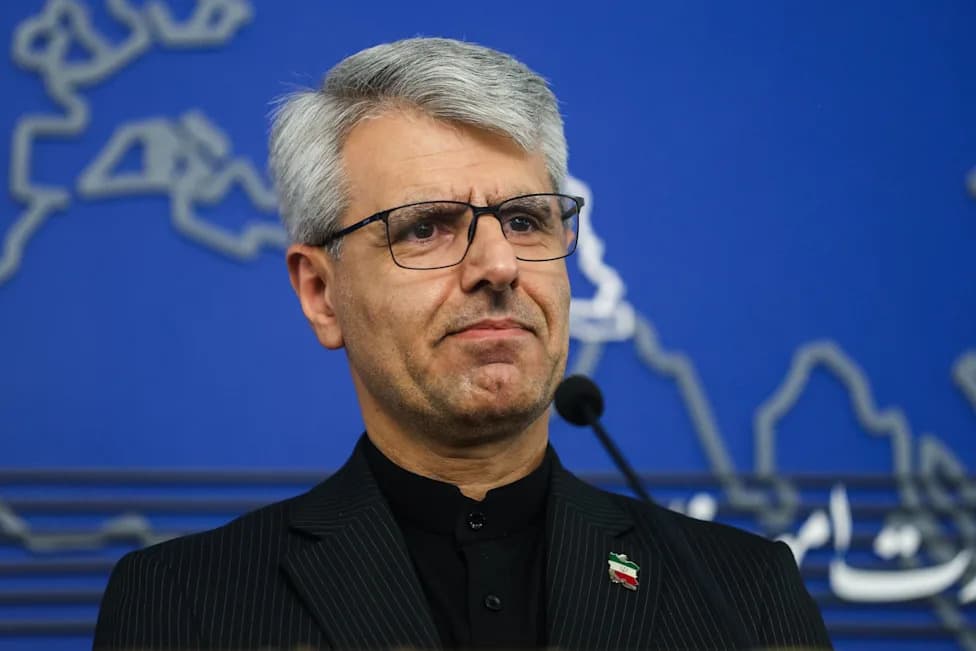
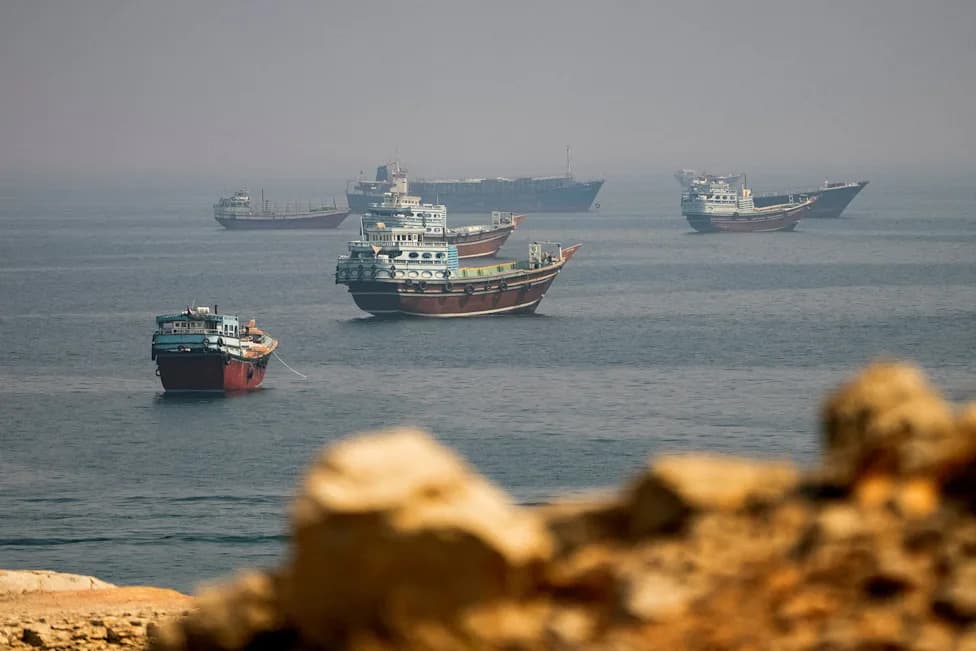
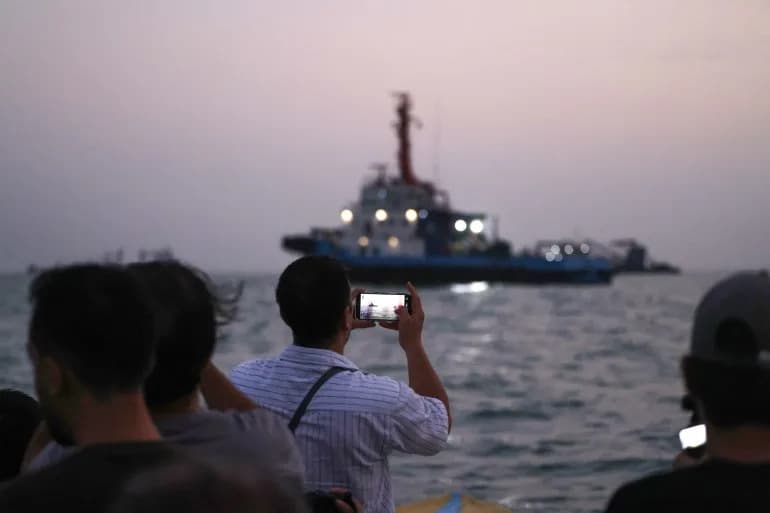
Iran's armed forces said the decision was prompted by a changed security situation following recent US attacks, according to a statement carried by state media. The statement said all vessels, including oil tankers and cargo ships, are now banned from transiting the strait and would be engaged if they attempted to pass. State media later reported that two ships had come under fire.
US Response and Strikes
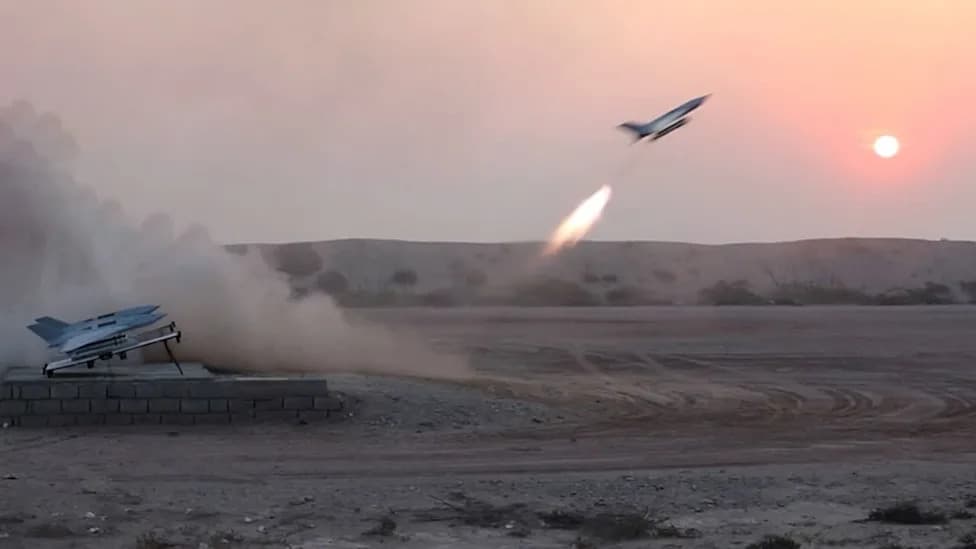
US Central Command (CENTCOM) said its forces had begun carrying out "additional self-defense strikes" at 0915 GMT on Wednesday. US officials said the strikes targeted Iranian air-defence systems, ground control stations and radar installations near the Strait of Hormuz. American authorities said the operations were in response to what Washington described as Tehran's "unwarranted and continued aggression."
Earlier Incidents and Retaliation
The latest strikes followed the downing of a US military helicopter on Monday night, which the White House blamed on Iran. Iran's media reported that Tehran then attacked US bases in the Gulf region and in Jordan, including with ballistic missiles. Regional governments also reported heightened alerts: Kuwait activated its air-defences and warning sirens were sounded in Bahrain. Iranian state outlets reported explosions in several port cities along Iran's southern coast.
Shipping, Economics and Strategic Context
The Strait of Hormuz is a vital export route for oil, liquefied natural gas and fertilisers; oil exports are the Islamic Republic's principal source of revenue. Shortly after the conflict began in late February, Iran had largely halted normal shipping through the strait through a mix of threats and attacks. Tehran previously required shipping companies to coordinate with Iranian authorities and to use a corridor close to Iran's coastline, while levying substantial transit fees. In mid-April the United States said it imposed a naval blockade aimed at cutting off Iran's oil revenues.
Note: Reporting on incidents comes from US military statements and Iranian state media; independent confirmation of all claims may be limited.
Help us improve.