During a visit to Ukraine's 3rd Assault Corps I observed advanced drone and unmanned-ground-vehicle operations that are central to Kyiv's campaign to disrupt Russian logistics. Repeated attacks on the Kerch Bridge and sustained drone strikes along the Azov "land bridge" have forced Russia to reroute supplies, exposing convoys to mid-range drones with payloads up to 150 kg and ranges near 100 miles. Kyiv has also struck logistics sites deep inside Russia and deployed electronic-warfare systems like Lima to spoof and neutralise aerial threats. The UK should study these innovations and speed up procurement and defensive planning accordingly.
Inside Ukraine’s Drone War: How Kyiv Is Choking Putin’s Supply Lines to Crimea
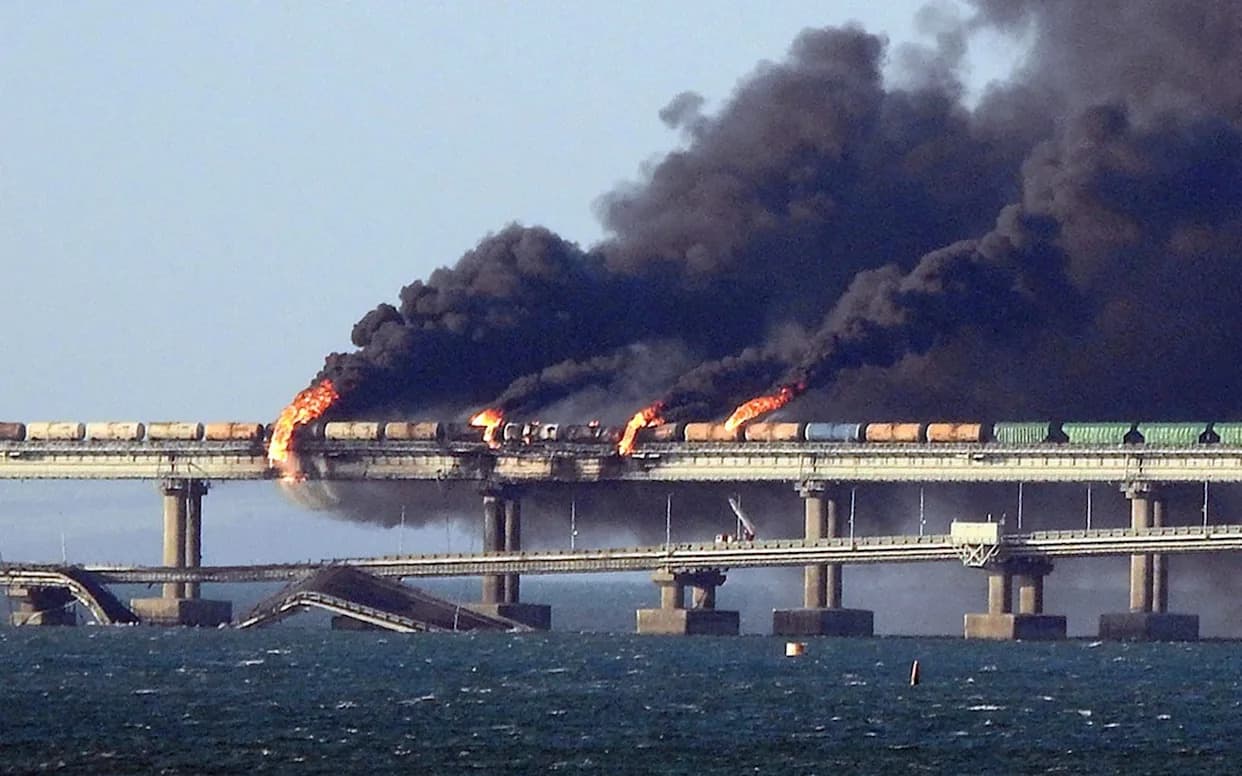
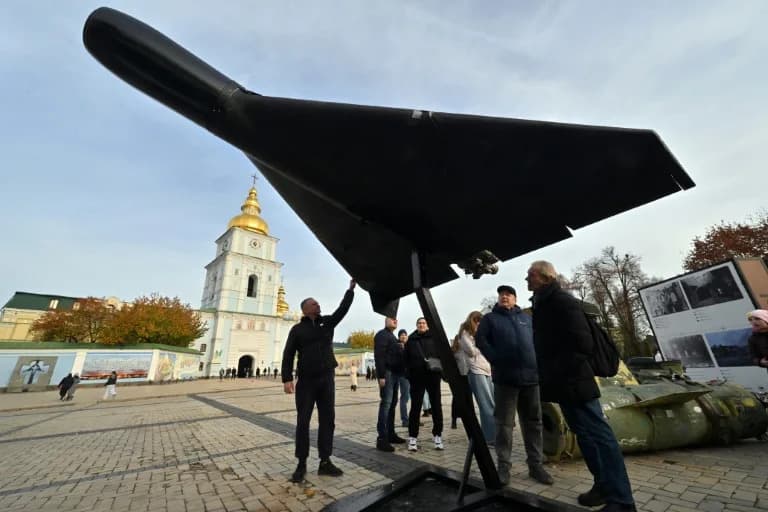
The Kerch bridge came under attack in October 2022 - AFP
I recently visited Ukraine's 3rd Assault Corps, widely regarded as a leader in remotely controlled warfare. I observed surveillance and attack drones in operation and under construction, watched drone pilots train, and inspected unmanned ground vehicles (UGVs) used in assaults as well as for fuel, water and ammunition resupply and casualty evacuation.
Unmanned Systems on the Front Line
The scale, speed and inventiveness on display are the product of a nation at war. Much of this hardware would not pass the lengthy procurement processes used in some Western militaries, yet these systems work — they are iteratively improved after every combat lesson and are playing a crucial role in blunting Russian advances.
Targeting Russian Logistics
Kyiv’s strategy has concentrated on disrupting Russian logistics. No modern army can operate without steady flows of fuel, ammunition, water and spare parts. Logistic networks are dispersed, predictable and therefore difficult to protect; they are ideal targets for drones and strikes on roads, rail and waterways.
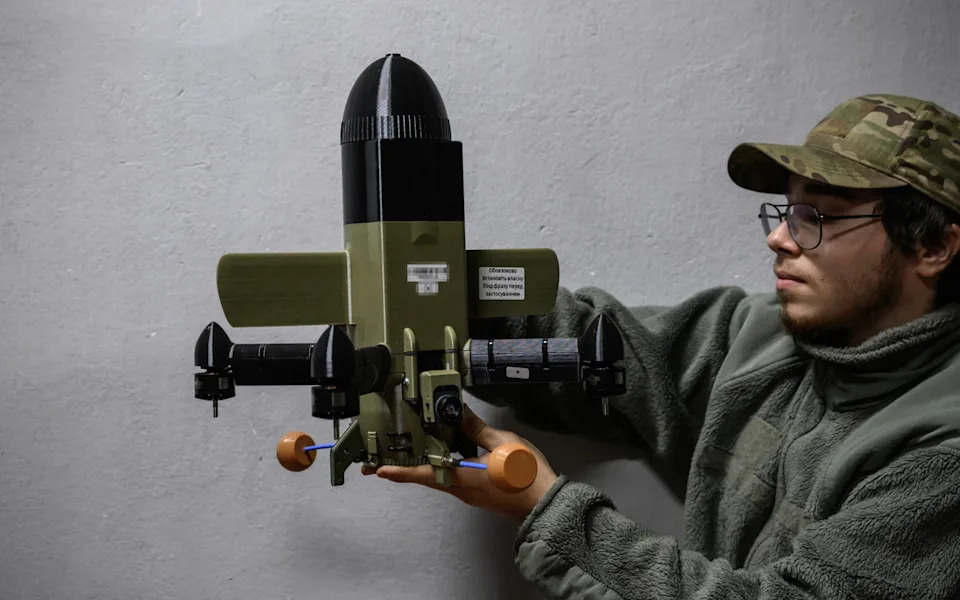
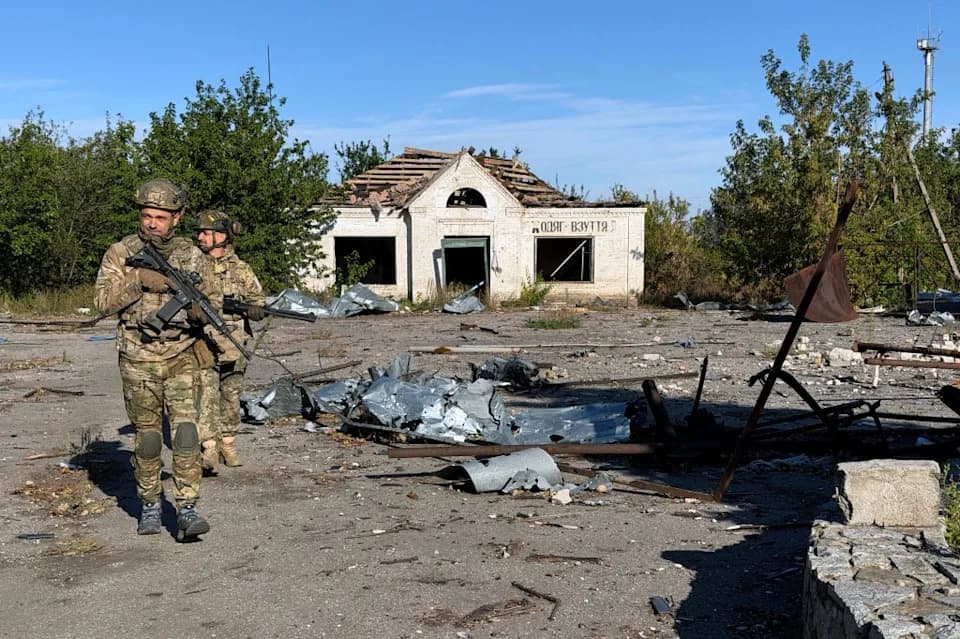
Ukraine is leading in remote-controlled warfare, using unmanned military robots on land, sea, and air - Ed Jones/AFP
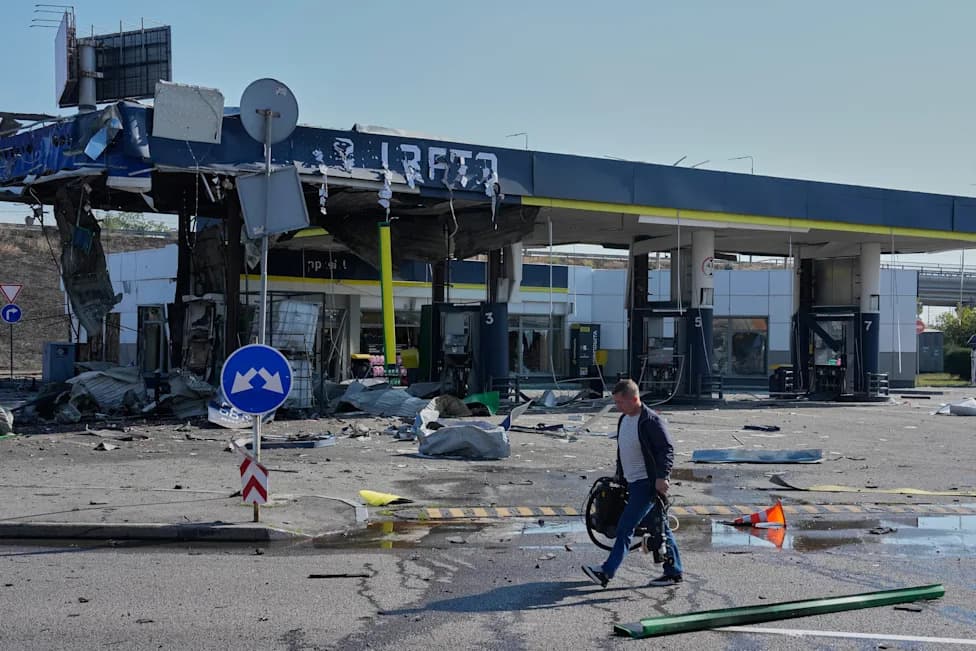
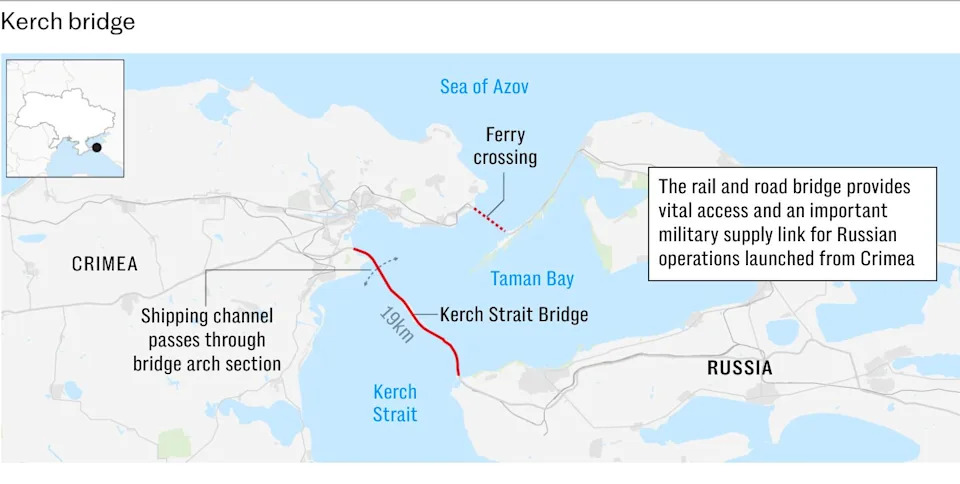
Repeated attacks on the Kerch Bridge using missiles, a truck bomb and sea drones prompted Russian authorities to ban fuel tankers and other large vehicles from transit. Moscow has been forced to reroute supplies overland from Rostov Oblast through occupied Donbas along the Azov coast — the so-called 'land bridge' — exposing convoys to relentless drone attacks.
Drone Capabilities And Deep Strikes
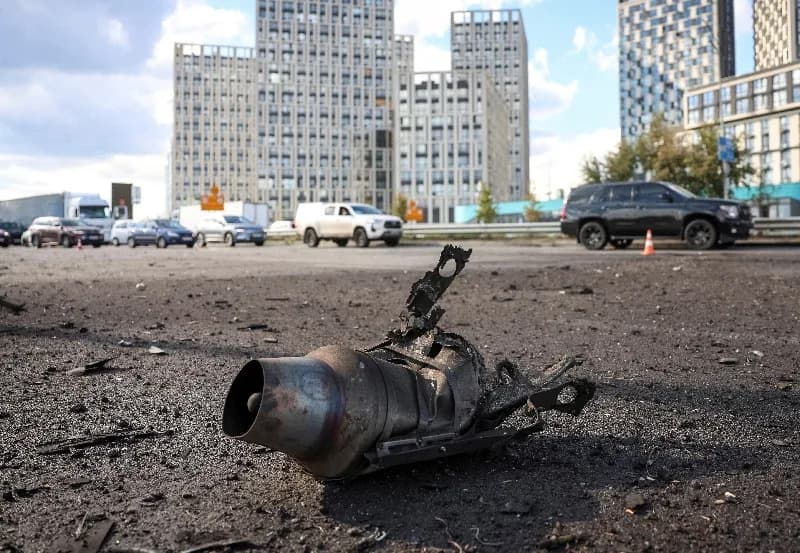
Mid-range Ukrainian attack drones now operate in significant numbers and routinely harass and strike military convoys. Reported capabilities include payloads up to 150 kg and ranges approaching 100 miles. Domestic production has surged, reducing dependence on imported components.
Longer-range strikes have also reached logistics hubs deep inside Russia. Recent swarm attacks targeted St Petersburg during an economic forum, while separate strikes hit a munitions dump and an oil depot in Krasnodar Region roughly 300 miles away. Since last year, Kyiv has struck multiple oil refineries — in some cases as far east as Siberia — disrupting military fuel supplies and contributing to local shortages.
Defences And Electronic Warfare
Ukraine's edge may be temporary as Russia develops countermeasures. Kyiv combines foreign-supplied air-defence systems such as the US Patriot and the Franco-Italian SAMP/T with anti-aircraft guns like the German Gepard. Equally important are indigenous electronic-warfare systems. During a factory visit I saw the Lima EW system, which reportedly spoofs and neutralises large numbers of drones, precision-guided bombs and ballistic or cruise missiles at a fraction of the cost of kinetic interceptors.
Lessons For The UK
Britain rightly highlights its support for Kyiv, but there is also much to learn from Ukraine’s battlefield innovation — notably the offensive and logistical use of aerial drones, UGVs and unmanned sea systems, together with affordable EW defences. Reforming procurement to allow faster fielding of effective, if imperfect, systems and investing in counter-drone and EW capabilities would strengthen resilience at home and for deployed forces.
Conclusion: The unfolding drone and EW campaigns are reshaping how logistics are protected and attacked. Ukraine’s experience offers timely lessons on the importance of rapid innovation, distributed unmanned systems and cost-effective defences.
Help us improve.